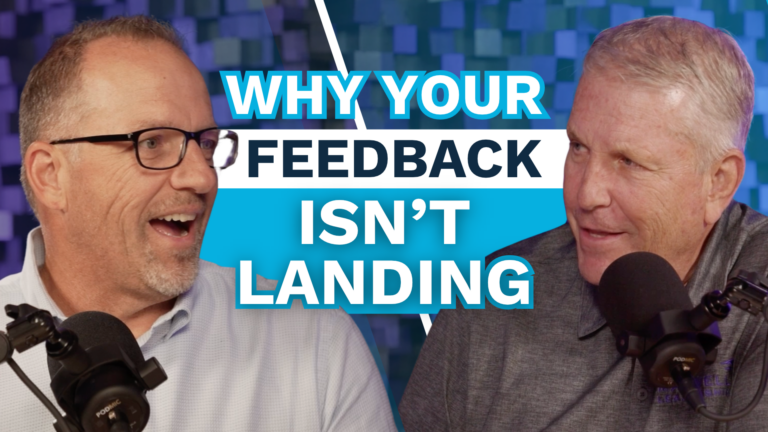
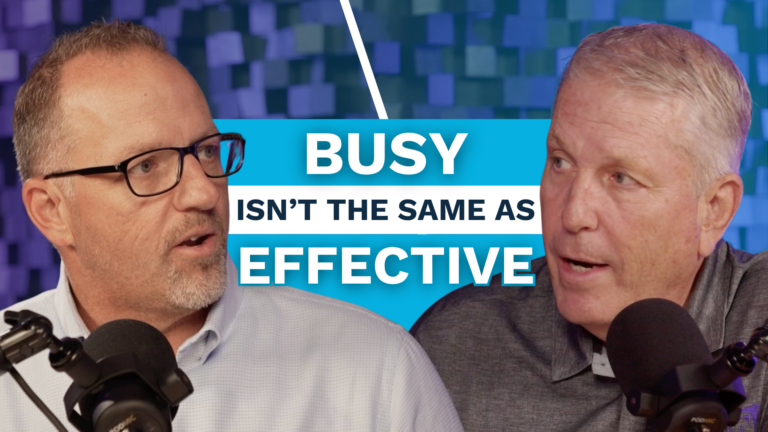
In this episode, Perry Holley and Chris Goede explore the concept of developing thick skin as a leader. They discuss the importance of emotional intelligence in leadership and how leaders with high emotional intelligence can better handle negativity and criticism. They also share tips on how to reframe negative feedback and use it as an opportunity for growth and learning. Additionally, they emphasize the significance of evaluating the source of feedback and not allowing it to dictate one’s self-belief and leadership abilities. Overall, the episode provides valuable insights on how leaders can cultivate resilience and maintain a growth mindset in the face of challenges.
Perry Holley:
Welcome to the Maxwell Leadership Executive Podcast, where our goal is to help you increase your reputation as a leader, increase your ability to influence others, and increase your ability to fully engage your team to deliver remarkable results. Hi, I’m Perry Holley, a Maxwell Leadership facilitator and coach.
Chris Goede:
And I’m Chris Goede, executive vice president with Maxwell Leadership. Welcome and thank you for joining us today. If you don’t have thick skin, I’m going to ask you to turn the podcast off right now. I’ve been waiting to do this ever since you said this title. Today, actually, we’re going to talk about something that I definitely need Perry to unpack for me because the topic here is how to have thick skin. Now, listen, before we get in, we got an avid listener. I think we only have two listeners every week. One of them who listens to us every morning on his drive to work in Charlotte.
Chris Goede:
In order to kind of work with this, this individual, we both have to have thick skin. I mean, it’s unbelievable. I mean, just berates us all the time. So we’re going to have some fun today. But this is really, I think you’re going to love this topic because we’re really going to talk about emotional intelligence and we’re going to talk about as a leader, this is going to happen. And it’s funny because I, I was talking to an individual who’s in the. The coaching, the college coaching space. And boy, I tell you what, when things are going well, right, it’s all good.
Chris Goede:
But if things start going a little bit the other way, you know, you and the rest of your family better have a little bit of thick skin. And what does that mean? And that’s what we’re going to unpack today. So I can’t wait to hear more about that. Before we get started, I want to encourage you to go to MaxwellLeadership.com/ExecutivePodcast. There you can click on a button. We would love to come and help your organization around a culture around communication, around increasing your engagement levels so that we decrease our turnover. All of those things is what we absolutely spend all of our time doing. And we’d love to help you if you have a need.
Chris Goede:
So, as I mentioned, this is a byproduct of emotional intelligence. And James Clear says it perfectly. Not taking things personally is a superpower. Now, that is easier for some of us than others. But I want you to know, leaders with high emotional intelligence understand this truth. Other people’s negativity often says more about them than they’re actually saying about you. And I was sharing with you today before we started about a situation of a transition conversation that happened. And 100% that the exchange there was really about them versus the individual that was receiving it.
Chris Goede:
Although young in the career, they don’t have thick skin yet and so internalized it and it impacted them. But it wasn’t about how that individual showed up. It was about how they were being responded or reacted to a certain news. And so, man, I am super excited. This is. We’re joking around, but this is really, really good stuff.
Perry Holley:
This came from a real life coaching call. That guy actually started the call with, I think I’m going to quit. And I said, well, don’t quit. Tell me what’s going on. And as he explained the situation, what was happening, it was like you said, some negativity coming his way. People didn’t like a decision. What, you know, but I had to also I’ll be transparent is that I struggle with this too. My personality type is I’m a bit of a pleaser.
Perry Holley:
I have a servant mentality and I want to serve and I want people to like me and like what I do. But the minute that I do something, you know, that somebody finds controversial or pushes back, I can get my feelings hurt. And as I’ve gotten older, I’ve gotten better about that. But I think this is as much for me as it is for any. And if you’re a leader that struggles with, you know, upsetting people, I like what you just said. It’s really not about you, the leader, as much as it is about other people. And I just want to give some credit. Ben, me, writer, content creator on LinkedIn, actually surfaced this idea right after I had the coaching call.
Perry Holley:
I saw this content piece. I go, that’s it. We never talk about, by the way.
Chris Goede:
Hey, I was listening to you right there.
Perry Holley:
There you go.
Chris Goede:
They heard the coaching call and they threw it up for you on LinkedIn.
Perry Holley:
That was it. So Alexa was feeding. That’s right, my content partner, Alexa to do that. So John Maxwell talks all the time about leaders don’t let their emotions lead them. They lead their emotions. And that’s what you said that low EQ really is reacts to. They don’t like me. And the high EQ says, you know, kind of steps back, what’s actually happening here.
Perry Holley:
And you, you kind of change the story that you’re telling yourself. So it’s not about ignoring feedback. I’m gonna get that right. Just having thick skin doesn’t mean you can just ignore what’s coming at you. But it’s about processing it more wisely, I think, is what I’m getting at.
Chris Goede:
Good. Yeah, I love that. So that leads us to let’s reframe that phrase. Because I think when you think about thick skin, you know, I think about man, no matter what hits me, it’s just. It’s not going to. Yeah, but we have to allow it to. To impact us in a way in order for us to grow. And so let’s reframe this into intellectual reframing.
Chris Goede:
That’s how we’re going to kind of look at this for today. And so when you, as a leader, are wasting mental energy on imagined judgments or imagined perspectives or why they’re saying certain things, it robs you of your space. I was having a conversation just last night and with a person in an organization and received a text from a team member, and it was just very direct and just asked a question with no other kind of context. And so that individual had really two choices. They could be like, start stewing on it, and what did I do? And why are they asking me the question and this and that. Or it could be, man, there’s probably something more to this. I can’t wait till in the morning for us to have a conversation so that I can have additional context. That is, in essence, what you’re talking about.
Chris Goede:
When we lean into this thick skin and say, how do we reframe that? And so as a leader, if you allow that stuff to consume you, you lose all free and free thinking, for creativity, for clarity in certain things. And that’s why strong, emotionally mature leaders perform better under pressure. You could think about those that perform under pressure differently that you can see. They just have a little bit more gravitas to them in that EQ side of things. And this is not a personality trait. It’s a. It’s how do we. How do we perform better? It’s a performance multiplier.
Chris Goede:
And John says. He says leadership requires clear thinking, and clear thinking requires emotional control. That’s a lot right there. Because I know there are situations in my leadership that I do not, even though I’m fairly calm, and I do not have emotional control at all times.
Perry Holley:
I think you do a pretty good job.
Chris Goede:
Okay. All right, what was the laugh for? Let’s back up right here and practice.
Perry Holley:
Only seen you cry twice in the last month.
Chris Goede:
Yeah, in this month. And it just started a couple days ago. Right.
Perry Holley:
You know, you and I both had the pleasure over the last six weeks to deal with two outstanding content creators in Jeff Hancher with Firm feedback in a Fragile World and Valerie BURTON on the 10 rules of resilience. And both of them, I think it’s interesting if you’re going to be resilient and handle feedback, tough feedback. They both talk about that. It’s just data. You have to label it.
Chris Goede:
It’s not personal.
Perry Holley:
Yeah, it’s just data. Somebody’s telling you something that they observe. They’re just giving you the facts as they see it. And you have to label it as good or bad and you have to label it as. That hurt my feelings. No, I can actually just filter it and say, okay, thank you for giving me that. Then what am I going to do with that? That most leaders get hurt because they’re really running. They’re using somebody else’s scoreboard.
Perry Holley:
You’re running. The metrics you’re running are against how did I do in your eyes, how did I do in their opinion, how did I know? What if I ran on my own scoreboard, which is about values, mission results, really, external opinions. You know, I’m running on an internal thing and I can decide when you say something to me, I like you said, let me. The person going, next morning, I can’t wait to come in and find out. There must be more of this story.
Chris Goede:
Can’t wait.
Perry Holley:
Yeah.
Chris Goede:
Like it’s hard to do.
Perry Holley:
Yeah.
Chris Goede:
Right. And. And it’s harder for some than others. Right. And I totally understand that. And I think what you’re saying is this intent versus perception gap that we talked a lot about, where we always judge our. Our intent ourselves, but the actions of other people and, you know, so in this situation, let’s go back to that example. The intent of the person that sent the text was they just had a quick question, they wanted the answer.
Chris Goede:
The perception on the other end was, am I not doing my job right? You know, and so we get into this mentality of maybe the gap and not understanding the difference between the IP gap and what we’re talking about. And so the ability to. I say tolerate. Rejection. I want to be careful with the word tolerate, though. It’s tolerate. You have to absorb it in order to grow and to learn. I think the maturity comes in what do you keep to learn from and what do you discard? Because they don’t necessarily understand the entire intent behind what’s going on.
Chris Goede:
But when you figure that out, it’s one of the few skills in leading and communicating and receiving feedback that will compound every. No. Reduces the emotional toll that it’ll take on you and the next person Tells you no or whatever the, the negative is that’s coming from that. And so I want to go back to even you talked about Valerie and talking about resilience. And resilient leaders often continue to win because they, they’re able to persevere. They just, they keep pushing, they’re persistent and they’re not derailed by negativity that comes in. Right. It’s kind of like they let it kind of roll off their back from others or even difficult conversation.
Chris Goede:
It’s like, it’s like a scavenger hunt. Right. What do I need to learn from what they’re saying? What is it? Is there any truth here? I was doing a podcast with Mark Cole last week and we were talking about self awareness and I had this. You’re going to be amazed because this is something I should have known a long time ago. Maybe I knew it, but I just didn’t really put it together. But we were talking about self awareness and Mark said a statement of, you understand that you can’t be self aware without others input. And so you can’t sit down and just go, what does Chris look like?
Perry Holley:
Right.
Chris Goede:
On the other side, you actually have to have others tell you what it’s like to then become aware of how you are showing up. And so I go like this little aha moment just happened in the podcast. And I was like, yeah, that I. I guess maybe it just jumped off the page a little differently for me today. And that’s what we’re talking about today. Like tolerate. Yes. But also making sure you understand what to take and what to pass along.
Perry Holley:
Well done, grasshopper.
Chris Goede:
You like that?
Perry Holley:
Nice.
Chris Goede:
I’m learning, I’m growing.
Perry Holley:
So Ben Meir gave a couple of ways, you know, things we could do to think about how to develop the thick skin and help you with that. So one thing I was thinking about with, you know, in my 20s, I was what in my 20s. That was so long ago.
Chris Goede:
We didn’t have these things back then. Okay.
Perry Holley:
In my 20s, I was highly concerned with what people thought about me.
Chris Goede:
Yeah, sure.
Perry Holley:
In my 30s, I would do things to manipulate what you thought about me. It wasn’t until my 40s that I realized nobody was thinking about me. Nobody. What are they thinking about? They’re thinking about themselves. Their problems, their challenges, their victories, their types of things. So then called out this thing called the spotlight effect. And it is this bias, psychological bias that we all kind of overestimate how much others notice about our appearance, about our actions, about our mistakes. I even came here today I had a treatment on my face.
Perry Holley:
I said, hey, is this going to be a distraction? You go, what? What distraction? I think to me it’s like the biggest problem ever. But that’s the spotlight effect. But here’s the real truth, is that your freedom and your thick skin really begins the day that you realize nobody’s really thinking about you. They didn’t notice that you tripped, they didn’t notice that you skipped the sentence. They didn’t notice that you made a mistake or something like that. And most people are really consumed with what’s going on in their own life. And high EQ leaders understand this and they stop over personal, personalizing really what are neutral events? Somebody says something to me, somebody challenges me. I just labeled it because I’m thinking, oh, they’re calling me out, I’m spotlighting me.
Perry Holley:
This really hit me hard. I go, yeah, I think I can do that. I want to not. It’s a neutral event. Now what story am I telling myself about it?
Chris Goede:
That’s right.
Perry Holley:
Not from the spotlight.
Chris Goede:
I love that. That’s the question, Dasha, what story am I telling about the text last night of that question, like, what story are you telling? Are you saying, maybe it’s just a question or I can’t wait till tomorrow morning, or are you internalizing and thinking that you did something wrong?
Perry Holley:
The young person you were talking about, they got the news and they had to go give news and somebody reacted and they’re telling themselves a story about they hate me, they think I’m doing.
Chris Goede:
Bad, never be able to work for this guy again. That’s not it at all. And so here’s a great tip that we want to share with you. Consider whether or not the feedback that you’re getting, okay, negatively is a procedure or a perception feedback. So here’s how this breaks down. Do I, when I get this feedback, do I need to change my procedure? The actions that I’m taking, like, is this an action based thing or the feedback am I getting? Do I need to change my perception? How I’m actually interpreting this, this feedback that I’m, that I’m getting. Now here’s the pro tip for you. I just talked a minute ago about.
Chris Goede:
As you receive this feedback and whether to have thick skin or not, is learning to decide what feedback you’re going to take. What constructive feedback from people will you be willing to take? My challenge for you is don’t take constructive feedback from someone who has never constructed anything. Now here’s the example I thought about. You’re going to Love this. Okay. Because not all feedback is equal. You got to evaluate the source. So can you imagine, by the way, let me set the stage.
Chris Goede:
Perry is an avid woodworker. Like it’s where he goes and spends time and does a lot of work. He’s great with. He’s actually made some incredible shelves in my house that upleveled our. By the way, if you want to know, he’s got a special for you. We’ll give you his phone number after. He’s going to have all kinds of orders. But can you imagine if I looked at a piece of woodwork and I said, you know, Perry, and I gave you some really.
Chris Goede:
I don’t even know how to give you tough feedback on it, but you know what I’m saying? And what would you do with that? Would you have thick skin or would you.
Perry Holley:
Thanks, Chris.
Chris Goede:
100.
Perry Holley:
I would say, Chris, which end of the hammer do you hold?
Chris Goede:
That’s right. So. So in this situation, right, just the pro tip is like, yeah, Perry will never take any type of feedback from me around. He would but that take it seriously about woodworking because we had a hard time reading the tape measure when he tried to help him make something. So. So just evaluate where that’s coming from and, and don’t allow where it’s coming from to completely dictate and change what’s going on internally in your own self belief and leadership.
Perry Holley:
And I’m thinking of the man in the arena that, yeah, I don’t really think. If you’re not in the arena, then just keep it.
Chris Goede:
That’s great.
Perry Holley:
But if you, if you can’t keep it to yourself, I’m not going to let it destroy me. That’s where I get my tough skin.
Chris Goede:
You get. You’ll get a kick out of it.
Perry Holley:
You know. Another point was positive, negative. I had a teammate once and I do think negative things, but I usually try to take glass half full. And so somebody says, we got this problem. I said, well, let’s look at positive what’s going on here? But this teammate mine would always tell me what was wrong when I would say what was right. And they challenged me on it. And it reminded me of Tim Ferriss had a quote that said that 10% of the people find a way to hate everything. Personally expect this and then treat it as math.
Perry Holley:
There’s going to be some people. I was just doing something for our change course about the bell curve of change and one of the authors I read had a notification on the backside of the bell, but it said this 10% over here is cave people. And cave stood for citizens against virtually everything.
Chris Goede:
Everything.
Perry Holley:
Yeah, that really high. EQ leaders don’t negotiate with the 10%. You just expect that. And when you accept this reality, criticism loses the emotional sting. There are just going to be some people that are going to be negative, and they are the cave people. They’re against everything. And you just happen to be part of that. It’s math.
Perry Holley:
I love what Ferris said. It’s just math.
Chris Goede:
I want to encourage you to keep a growth mindset overall. What you’re hearing Barry and I talk about through it all is, yes, those cave people. And if you’re into woodworking, Chris Goede giving you feedback, it’s all relative to where you’re getting it from. Right. But are you being curious on where that feedback’s coming from? Are you on that scavenger hunt? Like, what is it that you need to learn? How can I improve in just a little bit of areas? Maybe 90% of what they say has. It doesn’t. It doesn’t apply to anything. But there may be 10% in there that you’re able to grab a nugget and then be able to use that in a next conversation, in a next situation where you begin to feel that happen inside, where you allowed, you know, the thick skin to be penetrated in the wrong way.
Chris Goede:
And so, you know, John has a book and says this oftentimes, listen, sometimes you’re going to win, sometimes you’re going to learn. And so are we going to learn through all of that feedback. And I love what you were saying earlier. It’s not personal. It’s about the actual task. It’s about the actual situation. It’s about what you do, not who you are. And I think we got to be able to separate that.
Chris Goede:
And that comes with emotional intelligence, maturity over time. And you learn over time. But man, and I do it. I still do at times. It, it. You take it personal versus, oh, I missed this. And if I would have done this and I would have pulled that lever, it would have been that. So it was really a process problem, not a Chris problem, but we all internalize it in a way.
Chris Goede:
But think about what are the ways that I can be growing through this.
Perry Holley:
Even if somebody tries to make it personal, you. You get to tell yourself the story.
Chris Goede:
They don’t.
Perry Holley:
They don’t get to write the story that you’re telling yourself. You do. And so taking control of that. And I was thinking, just for our resilience course, I put an example in there about Harlan Sanders, Colonel Sanders of KFC, in his 60s, decided he wanted to have a restaurant to make his famous chicken. But he was rejected a thousand and nine times. Wow. But you know what? He. He persevered.
Perry Holley:
He kept going. He didn’t let somebody else define him. The rejection or the bad feedback wasn’t a signal to stop. It was just math. He just said, I have to keep going. And I eventually I’m going to get a yes. And he got a yes. And now, I don’t know about you, but every country I go in, it’s not just a us thing.
Perry Holley:
It’s an international.
Chris Goede:
Everywhere.
Perry Holley:
It’s everywhere. So why don’t you wrap it up?
Chris Goede:
Yeah, let’s do that. Thick skin isn’t about ignoring people. It’s really about mastering yourself. It’s tied to the emotional intelligence that we’ve been talking about. And as I mentioned a little while ago, it’s so hard to do this. But don’t take things personally. Take them responsibly. What is it that I need to learn from here? Filter out all the noise.
Chris Goede:
Define what true success is in that situation. And then I think over time, as you begin to. To grab a nugget in every situation, I think you’ll become more mature in the emotional intelligence. You’ll have thicker skin for the right things, and you will continue to compound your influence. The other thing by being able to have thick skin is I think you’ll receive, especially from those that you work closely with, you’ll receive truth faster. Like, I know that people are comfortable in certain situations giving me feedback.
Perry Holley:
They know you can handle it.
Chris Goede:
And I. And I find out things that I can help move or shift or do a little bit differently because I’ve gotten to the point I haven’t always been there, and I’m still not perfect at it, but. But I’m able to do that. And when you do that, I think your influence expands. And our goal is to really get to the root of all things so that we can lead with clarity, not with emotion. When you think about some of the leaders that we’ve had in the past that were extremely clear and the benefits of that, or maybe they were extremely emotional. And how did that go? You oftentimes you’re not extremely clear when you’re emotional.
Perry Holley:
Almost never.
Chris Goede:
Never. And so our goal is, hey, just have thick skin the right way. Continue to learn. I think your influence will continue to grow.
Perry Holley:
Fantastic. Well, thank you, Chris. And as a reminder, if you’d like to learn more about our offerings, the five levels of Leadership or other podcasts in our podcast family. Or if you’d like to leave us a comment or a question, you do all that at MaxwellLeadership.com/ExecutivePodcast. We love hearing from you. So grateful you spend this time with us. That’s all from the Maxwell Leadership Executive Podcast.
Transcript created by Castmagic.