

Prioritizing may not feel like a defining leadership characteristic. Many leaders get caught in the daily rush of managing what’s urgent instead of focusing on what’s truly important. But leadership requires intentionality—especially in how we spend our time and energy.
I’m not sharing this as an expert, but as someone still learning. I’ve discovered that success isn’t measured by how many tasks I check off a to-do list—it’s measured by whether I’m getting the right things done at the right time.
So how do we become leaders who know how to prioritize what truly matters? Here are five principles that can help guide the way.
1. WORK SMARTER, NOT HARDER.
We hear this phrase all the time, but what does it actually mean? Working smarter means identifying and focusing on what’s most important before anything else—what Stephen Covey famously called “the big rocks.” When you fill your day with small pebbles—emails, minor fires, and distractions—you leave no room for the projects and priorities that move the needle.
It also means leveraging the tools, systems, and people around you to maximize impact. What technologies can help streamline your workflow? What tasks can you delegate to someone who might actually handle them more efficiently? Working smarter doesn’t mean doing less—it means doing the things only you can do and empowering others to handle the rest. When you lead this way, you don’t just increase productivity; you model sustainable success for your team.
2. YOU CAN’T HAVE IT ALL.
This one’s tough to swallow, but it’s true: you can’t do everything, and saying “yes” to one thing always means saying “no” to something else. Andy Stanley calls it “choosing to cheat.” If you say yes to a late-night work trip, you’re saying no to a family dinner. If you say yes to that family outing, you’re saying no to another opportunity at work.
The goal isn’t balance—it’s clarity. What matters most to you in this season of life and leadership? Once you know that, your priorities become clearer and your peace increases. Every “no” becomes an intentional investment in what truly matters, not just another act of self-preservation.
3. “GOOD” IS THE ENEMY OF “BEST.”
When things are going well, it’s easy to get comfortable. But comfort can quietly cap our potential. “Good enough” often keeps us from reaching “great.” When we settle, we stop innovating. We stop pushing ourselves and our teams toward growth.
True leaders challenge the status quo—even when things appear to be working. They ask, How can we make this better? What’s possible if we stretch just a little more? Growth demands change, and change demands courage. The pursuit of “best” isn’t about perfection—it’s about continuous improvement.
4. PROACTIVE BEATS REACTIVE.
Strong leaders don’t wait for problems to show up—they anticipate them. They prepare, plan, and think ahead so that when challenges arise, they’re ready. Being proactive doesn’t eliminate every obstacle, but it dramatically reduces how often you find yourself scrambling to fix avoidable messes.
A reactive leader is always playing defense. A proactive leader plays offense—charting the course before others even see the waves. When you lead proactively, you create stability for your team and space for innovation to thrive.
5. THE IMPORTANT MUST TAKE PRECEDENCE OVER THE URGENT.
This final principle ties everything together. You are the leader of your workflow, your calendar, your time, and your team. That means you decide what gets your attention—and what doesn’t. The urgent will always scream the loudest, but the important things whisper. If you’re not careful, you’ll spend your days reacting instead of leading.
Block time for the things that matter most—strategic thinking, personal growth, mentoring others, and meaningful relationships. Protect that time like it’s sacred. It might mean saying “no” more often, but that’s an essential leadership skill. Saying no to the urgent allows you to say yes to the impactful.
Leading is complex, and there’s always room to grow. I wrote this as much for myself as for anyone else who struggles to prioritize. We don’t have to do everything—just the right things. Use these principles to realign your focus, take back control of your time, and lead from a place of clarity and purpose.
Looking for more corporate leadership insights to influence your leadership strategy?
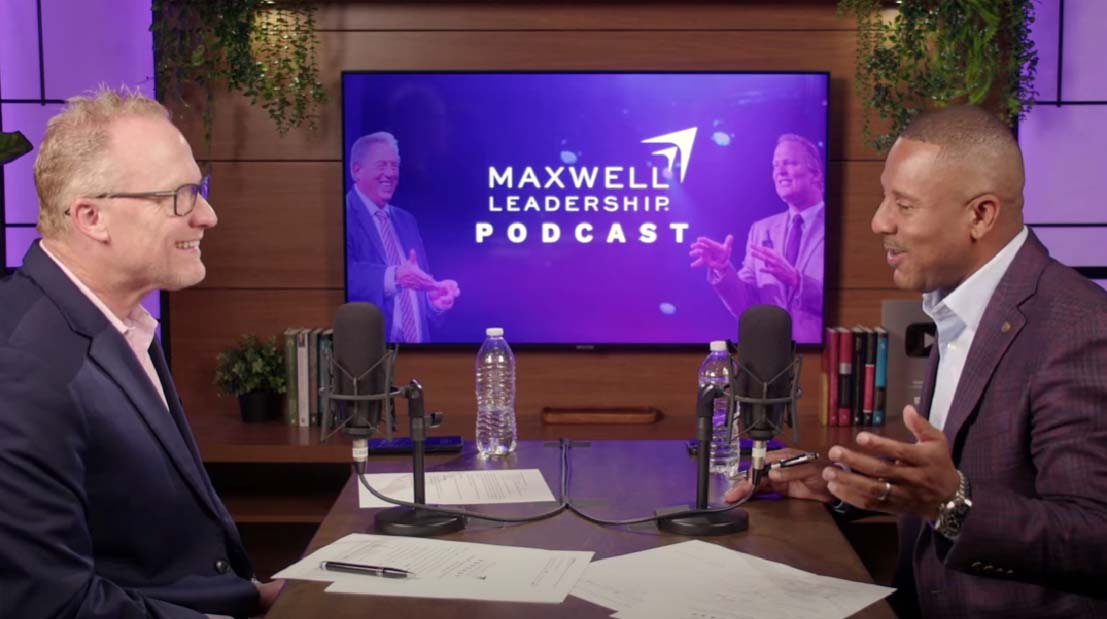
Every week, Maxwell Leadership’s staff of industry-leading growth and development professionals releases free leadership resources for the benefit of you and your team. Our Executive Leadership podcast offers expert insights on today’s most pressing corporate leadership topics, while our Maxwell Leadership podcast highlights transformational influence.




Be the first to comment on "Principles for Prioritizing"