
Work boundaries show up in the first moments of a leader’s day. Your team wants to do great work, yet the hours fill up with requests and quick asks that quietly turn into real commitments. When work boundaries stay unclear, people spend energy sorting work instead of finishing it, and leaders end up making decisions their teams could have handled with confidence.
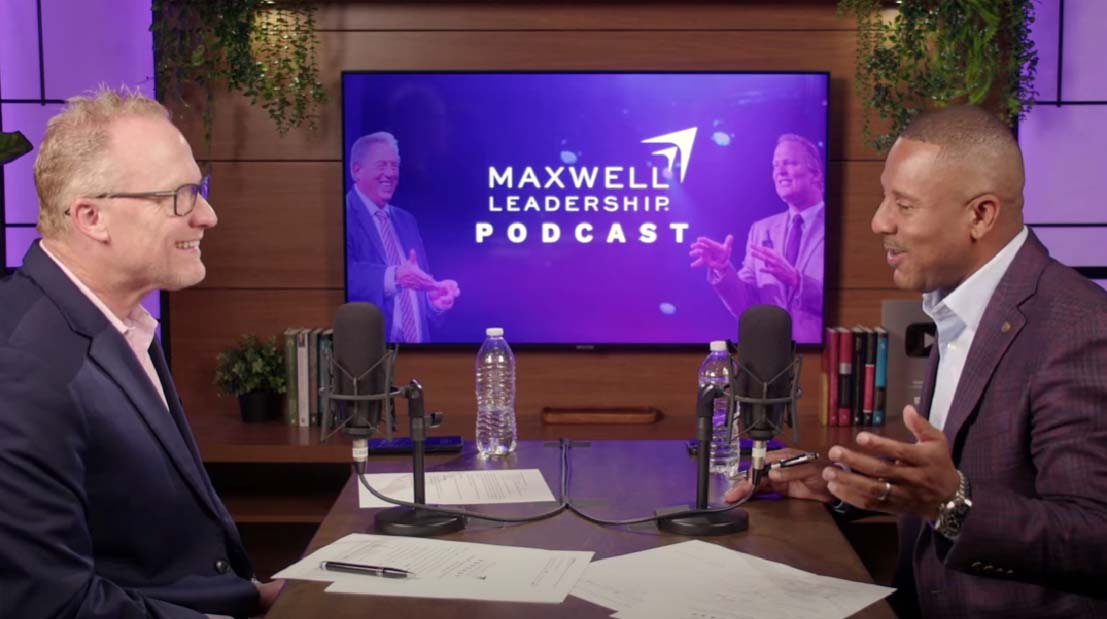
In the Maxwell Leadership Podcast episode “Increasing Engagement, Establishing Boundaries,” Perry Holley, Coach and Facilitator of Maxwell Leadership, and Chris Goede, Executive VP leading coaching and development, share practical insights leaders can use to communicate work boundaries and expectations with clarity and care. Let’s take those ideas and put them to work.
The Difference Between Work Boundaries And Expectations: Why Leaders Need Both
When a team is pulled in many directions, effort gets scattered. People start work without full clarity, stop to confirm ownership, then restart once priorities shift again. Over time, leaders feel the drag because decisions and approvals keep bouncing back up the chain.
Work Boundaries Protect Focus
Work boundaries define what belongs in your team’s yard and what sits outside it. They limit the day-to-day pull of extra requests and competing priorities, so attention stays on the work your team is accountable for delivering.
Expectations Protect Delivery
Expectations define what strong execution looks like inside that yard. They clarify the result, the owner, the timeline, and the standard, so people can move forward without guessing and finish work that meets the mark.
Holley captured the pressure teams feel when priorities blur, “If everything’s important, then nothing’s important.” When leaders communicate both boundaries and expectations with clarity and consistency, teams stay focused, deliver with confidence, and keep their energy for the work that matters most.
How To Set Work Boundaries And Expectations As A Leader
Work boundaries become practical when your team has clear language for what belongs in their yard and a clear standard for what strong delivery looks like. The following strategies give you a steady way to communicate boundaries and expectations in daily leadership moments.
1. Use The Yard And Fence To Clarify What Your Team Owns
The yard-and-fence picture gives your team a simple way to understand work boundaries. The yard represents what your team is responsible for, and the fence represents the guardrails that protect that responsibility. When those guardrails are missing, every request feels like it belongs on your team’s plate, and focus slips fast.
Start by naming the yard in plain language. Here is what we own, here is what we support, and here is what we do not do. Keep it tied to real responsibilities, then put it in writing so your team has a shared reference point when new requests show up and the day gets noisy.
2. Protect Focus With Three Priorities And One Must-Do
Work boundaries become real when they show up in the weekly plan. One strong practice is to ask your team to name their top three priorities and their one must-do for the week. This keeps focus tight and makes it easier to spot when new work threatens delivery.
Once those priorities are clear, align time to match them. When meetings, check-ins, and daily decisions support the top priorities, your team feels protected and is more likely to follow through with confidence.
3. Make Expectations Clear: What Done Looks Like And Who Owns It
Expectations remove guesswork when leaders define success early. Before the work gets busy, clarify what done looks like, who owns the result, when it is due, and what quality looks like. That level of clarity helps people move forward without second-guessing and reduces late-stage disappointment.
This approach also strengthens accountability in a healthy way. People can measure progress, ask better questions sooner, and deliver work that matches what the leader is looking for.
4. Teach Your Team To Evaluate Requests Without Breaking Commitments
Work boundaries get tested when a new request arrives with urgency attached. Your team needs a simple way to pause and name the tradeoff before they agree.
Goede said it clearly, “When you say yes to something that maybe is outside your boundary, outside of your power, you’re saying no to something else.” Teach one steady filter question your team can use right away: “If we say yes to this, what are we saying no to?”, and “Does this align with our current priorities?”.
5. Help Your Team Push Back With Clarity, Not Attitude
Permission to say no is part of the expectation. When leaders give that permission, teams stop feeling trapped between being helpful and protecting delivery, and they can respond with respect while staying aligned to what they own.
Equip your team with simple language they can use in the moment.
- This is outside our current commitments. Here is what we can do instead.
- We can support next month, or we can connect you with the right owner today.
- If this becomes a priority, which current priority should move?
6. Reinforce Work Boundaries With A Cadence Your Team Can Rely On
Clarity holds through repetition, especially when work moves fast. A simple cadence keeps work boundaries and expectations clear.
- Keep a weekly priorities check to stay aligned on what matters now
- Schedule a monthly yard review to confirm what is in scope and what has shifted
- Reset quarterly so work boundaries and expectations match current initiatives
This cadence reduces surprise and builds trust. Over time, your team brings tradeoffs forward earlier and protects focus as part of how they work.
7. Keep Daily Work Focused With One Alignment Question
When pressure rises, a single question can bring focus back without hovering. Holley’s alignment question does that work well: “Is what you’re doing aligning with our number one initiative this year?”
This keeps daily work connected to direction. It builds ownership because people make the connection themselves, and it supports confidence because priorities feel stable and shared.
8. Handle Cross-Team Requests Without Losing Focus Or Trust
Clear work boundaries often require clear conversations with peers and partners. When another team asks for help, respond with clarity about what your team is accountable for delivering, and name the tradeoff if priorities need to shift.
A simple talk track helps. “I want to help, and we are accountable for delivering X by Y. If we take this on, we need to move Z”. This keeps the relationship strong while protecting the commitments your team has already made.
9. Identify Likely Distractions Early To Protect Delivery
Distractions rarely show up out of nowhere. Bring your team together to identify likely distractions over the next month, including recurring requests and predictable busywork that divert attention from priority work.
Then agree on a shared response. Decide what gets a clear no, what gets escalated for a leader’s decision, and what requires renegotiating priorities. When the team plans for distractions early, delivery stays steadier, and expectations stay realistic.
Read: Top Strategies for Improving Team Communication
Grow Your Leadership Communication With Maxwell Leadership
Work boundaries and expectations hold best when leaders keep ownership clear, protect priorities, and stay steady in the conversations that shape daily decisions. That kind of clarity gives teams room to focus, follow through, and bring their best effort to the work they own.
Maxwell Leadership supports leaders who want communication that keeps teams aligned and moving. Our Leadership Communication Training gives leaders practical tools to set direction, reinforce expectations, and build team confidence when demands stack up.
Subscribe to the Maxwell Leadership Podcast for ongoing leadership insights, and connect with our team to bring stronger communication habits to your culture.