
Leaders who practice how to improve negotiation skills raise performance while strengthening relationships. Progress takes shape when they tune in to what people value and move the conversation forward with calm clarity that invites cooperation.
As these skills mature, leaders gain influence that people recognize and trust. Decisions feel fair, momentum holds, and partnerships deepen, elevating the leader’s voice and keeping results coming. It begins with letting connection lead in every negotiation.
The Shift From Impressing To Truly Connecting In Negotiations
Real progress in a negotiation often shows up when leaders stop trying to impress and start paying closer attention to the people across the table. When the goal shifts from looking capable to understanding others, the conversation becomes easier. People share more openly, and what matters most to them becomes clearer. The discussion moves toward what will genuinely help both sides move forward.
In that environment, influence grows in a more grounded way. Trust builds when leaders stay present, show real interest, and follow through on what they say. Agreements last longer because each side can see their priorities in the final outcome. It’s a small shift, but it sets the foundation for the practical habits that come next.
Smart Habits That Improve Negotiation Skills And Build Influence
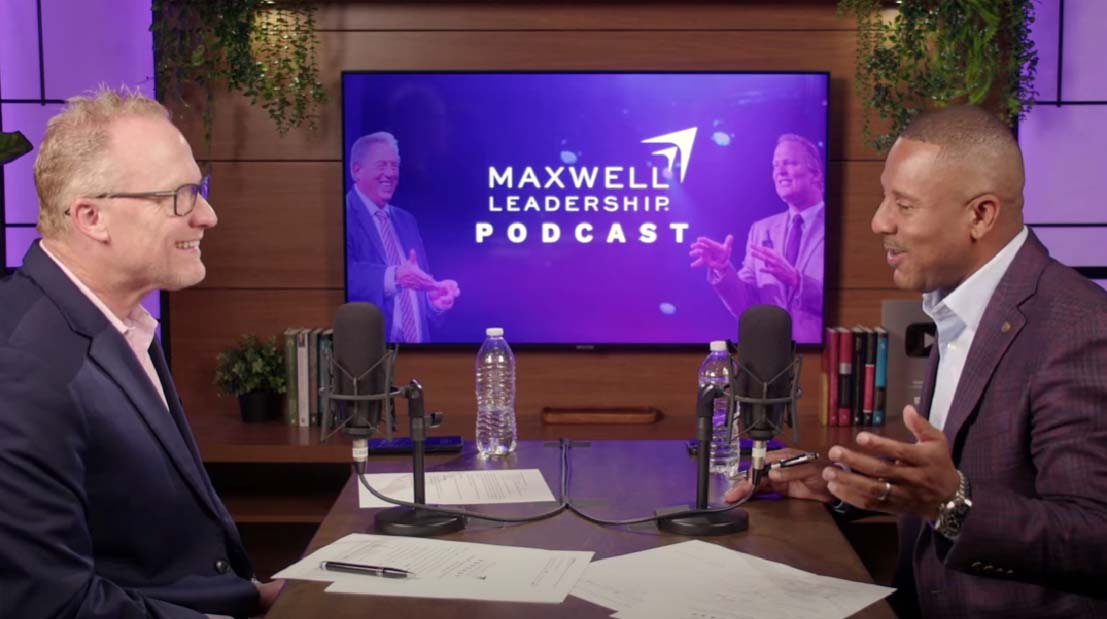
Leaders grow influence through repeatable habits, not one big moment. In the Maxwell Leadership Podcast episode “5 Skills for Winning, Influencing, and Connecting,” Perry Holley and Chris Goede share practical moves that turn conversations into progress. The ideas below translate guidance into simple practices leaders can apply with any team or partner.
1. Initiate With Purpose And Warmth
Opening first signals respect and lowers tension. A steady greeting, a clear intent for the meeting, and a sincere check-in set a tone people can trust. Let your presence show consistency through small actions that match your words before any proposal is on the table. Begin with who they are, then outline what success looks like together.
2. Listen More Than You Speak
Attention is a gift, and listening is how leaders give it. Perry Holley puts it plainly, “The fastest way to show value to another human is really to listen to them.”
Protect the space for others to talk, take brief notes where they can see them, and let their words shape the path you take next. Leave a little silence so insight has room to arrive.
3. Check If You Are Listening Or Reloading
Many leaders start building a rebuttal while the other person is still talking. Notice the impulse and take a brief pause. Reflect back on what you heard and ask one clarifying question before you respond. Ask yourself, “Am I listening or reloading right now?” This simple reset protects respect and keeps useful information flowing.
4. Ask What They Need To Hear From You
Begin with their priorities and pressures, not a prepared script. Let a simple question lead you, “What do they need to hear from me?” and allow it to shape your tone, your examples, and the level of detail. Speak to the win they are pursuing and the risks they are managing. When your message fits their world, alignment strengthens as people recognize themselves in the path forward.
5. Use Calibrated How And What Questions
Questions that begin with ‘how’ and ‘what’ keep the conversation collaborative. Try simple prompts like “What would make this a win on your side?” or “How can we protect your constraints while moving forward?”
These questions invite clarity without forcing a corner, and they uncover interests that numbers alone can miss. Curiosity becomes a strategy when the questions carry the work.
6. Reflect Interests Until You Hear That It’s Right
Keep mirroring key points until the other side says that it is right. Those three words signal ownership of the understanding, which is stronger than a polite you are right. Reflection shows respect and clears the way for creative solutions you design together. Movement sticks when people feel accurately understood.
7. Frame Solutions Around Their Wins And Constraints
People care about victories, struggles, and themselves. Maxwell, citing Dale Carnegie, said it well, “You make more friends in two weeks by becoming interested in others than you can in two years by trying to get others interested in you.”
Name the win they want, acknowledge the pressure they face, then present terms that help them move without risking what matters. Progress quickens when people can see themselves in the solution.
8. Prepare Your BATNA And Your Boundaries
Confidence rises when leaders know the Best Alternative to an Agreement (BATNA). Capture your BATNA in writing along with success criteria and reasonable limits. Bring objective standards such as quality benchmarks or timeline ranges so both sides can point to the same markers of fairness. Preparation turns pressure into usable options.
9. Trade Value For Value Using Agreed Criteria
Healthy agreements feel even-handed. When you make a concession, link it to something meaningful in return and anchor both to clear standards you discussed upfront. This keeps momentum high and reduces backtracking since each step is tied to shared reference points. Fair trades build speed you can sustain.
10. Confirm The Definition Of Done Before You Leave
Close with a simple recap that anyone can repeat later. Name the deliverable, the standard, the owner, the date, and where the proof will live. Chris Goede offers a reminder that fits this moment, “Go to people, not Google,” so capture confirmations in the room and leave with alignment you can act on. Follow up with a brief written summary to keep the record clear for everyone.
Read: Executive Leadership Coaching: 4 Ways to Increase Your Influence
Common Pitfalls That Quietly Weaken Your Influence
Even strong negotiators can lose ground through small habits that slip in under pressure. Watch for these patterns and replace them with simple, steady behaviors that keep trust and momentum intact.
Topping Others Stories
Jumping in with a bigger example shifts attention away from the speaker and narrows the conversation. Ask one sincere question about their win or struggle, then reflect on what you heard before adding anything new.
Multitasking While Listening
Glancing at a screen signals divided attention and lowers confidence in the exchange. Put devices away, keep your eyes on the person, and take brief visible notes so their words feel respected.
Pushing For a Quick Yes
Rushing to an agreement creates pressure and thin commitment that fades in execution. Explore concerns first, name what feels risky, and invite a clear path to address it before asking for a decision.
Speaking In Vague Outcomes
General promises invite confusion and rework once action begins. State the result in plain language and confirm a definition of done with the deliverable, the standard, the owner, the date, and where the proof will live.
Treating Positions As The Whole Story
Arguing over stated positions keeps the dialogue on the surface and limits options. Ask what success looks like underneath the request, play it back to confirm, and build from those interests to design a path that can hold.
Grow Your Impact With Maxwell Leadership
When leaders connect before they convince, ask before they assert, and prepare before they propose, influence grows and agreements hold. These practices strengthen outcomes and relationships for impact that lasts.
Maxwell Leadership equips leaders to negotiate with clarity and confidence. Our Leadership Communication Training strengthens listening, calibrated questioning, and fair agreement framing, so buy-in grows and results stick. Through values-based coaching and practical tools, we help leaders build influence that lasts.
Stay sharp with the Maxwell Leadership Podcast and connect with our team to create a training path that boosts trust, clarity, and follow-through.