
How to Lead Through Disagreement by Managing Conflict in the Workplace
Managing conflict in the workplace becomes unavoidable when people share responsibility for outcomes but see the path forward differently. Teams disagree about priorities, risk, timing, and execution, and those differences surface most often when decisions need to be made. In those moments, leaders set the standard for how disagreement is handled by keeping the conversation clear, focused on the issue, and grounded in what the team is trying to achieve.
The goal is to reach a decision the team understands and can act on. That requires surfacing the reasons behind different views, clarifying what is nonnegotiable, and communicating the tradeoffs with consistency.
A Leader’s Approach To Managing Team Disagreement With Purpose
Once leaders recognize disagreement as part of the work, the next step is choosing how to lead through it. Managing conflict in the workplace calls for deliberate actions that bring clarity to tense moments and keep teams aligned around shared goals. These actions help leaders stay grounded, even when perspectives diverge.
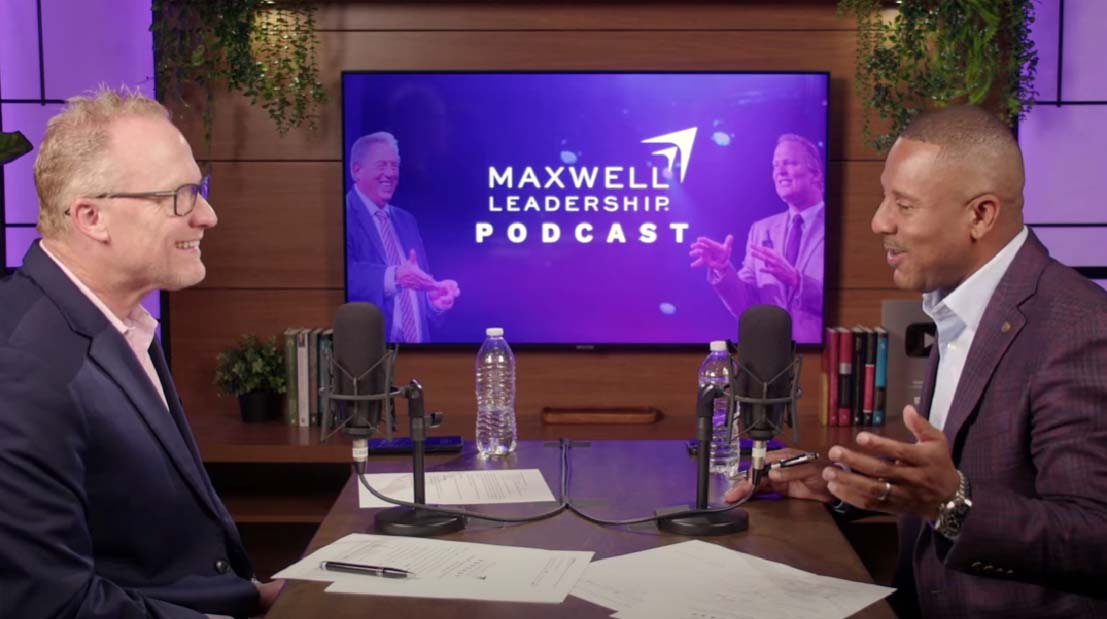
In the Maxwell Leadership Podcast episode “Why Leaders Need to Address Conflict,” Perry Holley, coach and facilitator with Maxwell Leadership, and Chris Goede, Executive Vice President leading coaching and development, share practical insights on managing team disagreement with purpose. The strategies below offer a clear starting point for action.
Choose Resolution Over Avoidance In Every Conversation
Managing conflict in the workplace begins with a clear commitment to resolution. Avoidance can ease tension briefly, yet it leaves the real issue in place and allows patterns to settle into the culture.
When conflict is addressed without resolution, it quietly signals that the behavior is acceptable. Leaders who stay with the conversation long enough to reach clarity and shared expectations build trust and reduce the likelihood that the same issues will return.
Strengthen Relationships Before The Pressure Arrives
Disagreement is received differently depending on the strength of the relationship behind it. Leaders who invest consistently in their people earn the trust needed to navigate difficult conversations with credibility.
Holley often points out that many leaders lead with care but struggle with candor, which can weaken clarity over time. Managing conflict in the workplace works best when care and candor grow together. When trust exists before tension shows up, feedback feels supportive rather than surprising, and conversations remain focused on growth rather than defense.
Ask Better Questions To Replace Assumptions With Understanding
Assumptions tend to rise quickly during disagreement, often filling gaps where information is missing. Curiosity slows that process and keeps leaders grounded in what is actually happening.
Curiosity keeps leaders from judging and telling, and instead encourages asking. When leaders ask thoughtful questions, they invite honesty and reduce defensiveness. Managing conflict in the workplace becomes more productive when leaders seek understanding before drawing conclusions, allowing conversations to rest on facts rather than interpretations.
Clarify Perception So Intent Does Not Get Lost
Many conflicts grow in the space between intent and perception. Chris Goede captures this clearly when he says, “I know your intent was not to do this, but the perception of the team or the perception that I have as your leader is this, can we talk about that?”
Naming this gap allows leaders to address impact without questioning character. Managing workplace conflict becomes more effective when teams share a language that supports clarity, learning, and respect.
Keep The Focus On The Issue Instead Of The Individual
Conflict escalates quickly when it becomes personal. Effective leaders keep attention on the issue at hand rather than on identity or character. This approach frames disagreement as a problem to solve together, thereby lowering emotional intensity and encouraging collaboration.
Managing conflict in the workplace improves when leaders model objectivity and fairness, demonstrating that accountability and respect can coexist. Teams learn to address challenges directly without damaging relationships.
Follow Through So Resolution Becomes Reality
A single conversation rarely completes the work of resolution. Chris Goede emphasizes this when he says, “Listen so that both sides feel heard and then be empathetic to where they’re coming from.”
That listening sets the foundation for meaningful follow-through. Leaders reinforce trust when they revisit agreements, check progress, and confirm shared understanding. Managing conflict in the workplace depends on this consistency, showing teams that conversations lead to action and commitments hold beyond the meeting.
Establish Shared Practices That Support Healthy Conflict
Healthy conflict becomes sustainable when leaders turn everyday interactions into shared habits. When expectations are clear, teams feel more confident addressing disagreement without hesitation or uncertainty.
- Shared expectations for communication so people know how to raise concerns directly and respectfully.
- Simple, consistent language for difficult conversations, which helps teams talk about impact and perception with clarity and care.
- Steady emotional presence from leaders, especially during tense moments, sets the tone for how disagreement is handled.
Managing conflict in the workplace is strengthened when leaders model these behaviors consistently. Teams learn how to engage in disagreement by watching what leaders do, and over time, those examples shape a culture where conflict supports progress and trust.
Read: The Greatest Sign of Conflict and How to Address It
Turn Difficult Moments Into Leadership Growth With Maxwell Leadership
Disagreement reveals how leadership shows up when it matters most. The way leaders respond in those moments influences trust, shapes culture, and sets the standard for how people work through differences together. Managing conflict in the workplace with steadiness and intention allows teams to move forward with clarity and grow stronger through challenges that require both conviction and care.
Maxwell Leadership works with leaders who want to grow steadier and more effective in conversations that shape people and culture. Our Executive Coaching offers practical guidance that supports thoughtful decision-making, clear communication, and a consistent leadership presence. This approach reflects a commitment to values-based leadership and helps leaders respond well when disagreement calls for both strength and understanding.
Subscribe to the Maxwell Leadership Podcast for ongoing leadership insight that supports clear thinking and steady influence, and connect with our team to explore development experiences that strengthen trust and clarity across your organization.