
A leader’s calendar reveals what that leader values, and a one-on-one meeting often says more than it seems. It creates a regular space where people gain clarity, feel supported, and stay connected to the work in front of them. Over time, that rhythm strengthens trust and helps a team move with greater focus.
For leaders, knowing how to run one-on-one meetings well can shape the tone, performance, and health of an entire team. When these conversations are handled with intention, they become a steady source of alignment, feedback, and forward movement.
How One-On-One Meetings Shape Trust, Clarity, And Engagement
Regular one-on-one meetings give leaders a clearer view of how their team is really doing. In the middle of deadlines, updates, and daily pressure, it becomes easy for small misunderstandings to linger and for shifts in energy to go unnoticed. A consistent conversation creates room to address those moments early, which helps leaders guide people with more awareness and keeps the work moving in the right direction.
That steady pattern influences the team over time because people begin to experience communication as something clear, reliable, and worth engaging in. They know there is space to raise concerns, talk through challenges, and gain direction before frustration has time to settle in. As that rhythm becomes part of the culture, three things begin to strengthen naturally:
- Trust becomes stronger when people know these conversations will happen consistently and will be handled with care. That reliability helps people speak more openly.
- Clarity grows when priorities, expectations, and obstacles can be discussed before confusion has time to spread. People move forward with a clearer sense of direction.
- Engagement becomes more visible when people feel heard, supported, and included in the conversation around their work. That attention helps them stay invested.
How To Run A Productive One-On-One Meeting For Leaders
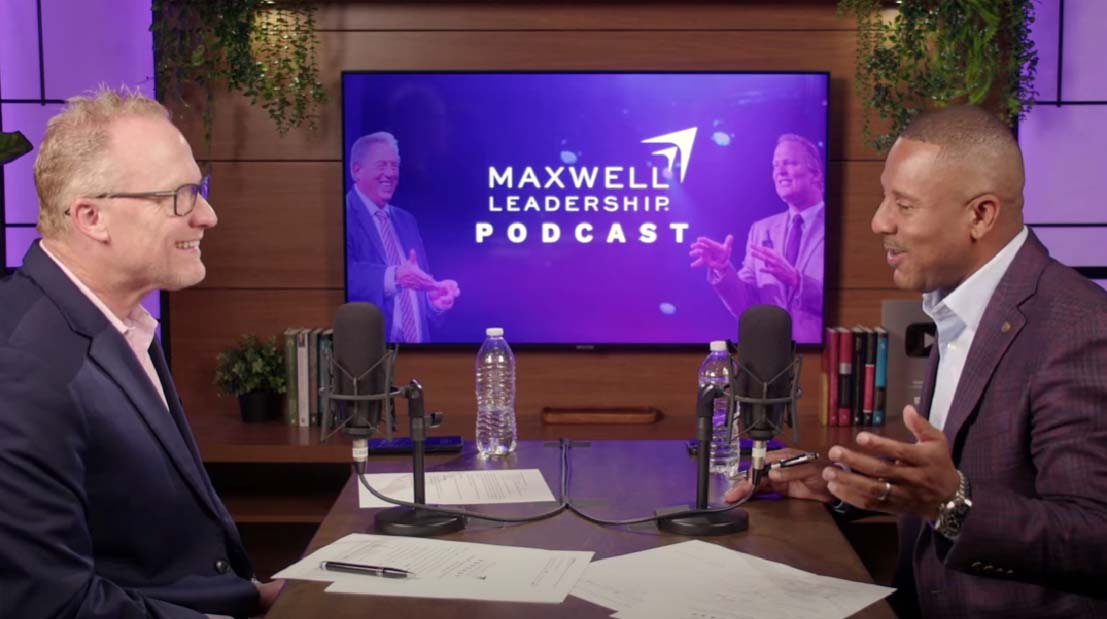
Strong leadership often shows up in the conversations that happen consistently over time. In the Maxwell Leadership Podcast episode “Using Feedback to Rekindle Engagement,” Perry Holley and Chris Goede share practical insight on how leaders can use these conversations to bring clarity, strengthen communication, and keep people engaged in their work. The ideas below offer a simple way to approach each meeting with more purpose and consistency.
Set Clear Priorities From The Start
A productive one-on-one meeting works better when both people know where to begin. Starting with clear priorities helps bring focus to the conversation and keeps attention on what matters most right now.
Goede captures that approach in a simple line, “Come in. Let’s talk about your top three priorities.” It is a practical way to create direction early, so the conversation stays centered on decisions, obstacles, and support rather than drifting into scattered updates.
Create A Two-Way Conversation
The strongest one-on-one meetings invite real participation from both sides. They give leaders a chance to guide the conversation while still making room for perspective, questions, and honest feedback.
As Goede says, “We needed to make sure that I heard from them and I was redirecting them. They were redirecting me.” That picture of mutual exchange helps explain why these meetings work best when both people contribute. Stronger alignment often begins when each person has room to speak with candor and respond with clarity.
Ask Questions To Uncover What Needs Attention
Good questions help leaders understand more than progress on a task. They create space to notice pressure, uncertainty, and the concerns people may hesitate to raise on their own. Simple questions about how work has been going, what feels challenging right now, or whether anything is getting in the way can lead to a fuller conversation. They also help leaders notice when someone has grown quieter or less engaged and may need support.
Listen Before You Explain
The quality of a one-on-one meeting often depends on the leader’s posture in the moment. When feedback or frustration surfaces, a calm and attentive response helps keep the conversation open.
Holley puts it clearly, “The key here is not to defend. Don’t jump in. Just listen.” Leaders who respond this way create room for honesty. People are more willing to speak openly when they sense patience, steadiness, and genuine attention on the other side of the table.
Build Trust Through Consistency
Consistency gives these meetings their strength over time. When leaders protect the rhythm of the conversation, people learn that this time matters and that it can be counted on. Trust grows more naturally when the meeting keeps its place in the week and does not disappear whenever pressure rises. A regular cadence also helps leaders notice patterns, support growth, and stay connected to what their team needs.
Give Feedback That Reinforces Value
Feedback has a powerful effect when it helps people understand where they are growing and why their work matters. In a strong one-on-one meeting, feedback can bring encouragement, direction, and a clearer sense of contribution. People respond well when their efforts are recognized thoughtfully, and the next steps are shared with care. This kind of feedback supports accountability while helping people stay connected to the value of their work.
Want to go deeper on this topic? Listen to the Maxwell Leadership Podcast episode “Feedback that Leads to Change.”
Reinforce The Conversations That Shape Culture With Maxwell Leadership
Leaders who handle one-on-one meetings with intention bring greater clarity to their teams, strengthen trust through consistent follow-through, and create space for people to grow with confidence. Over time, those conversations improve alignment, support stronger performance, and help shape a healthier team culture.
Maxwell Leadership helps leaders turn those everyday conversations into practical leadership growth they can apply with their teams right away. Through our Executive Leadership Coaching and leadership development experiences, individuals and organizations gain support that strengthens communication, sharpens leadership awareness, and helps build a culture where trust, growth, and accountability can take root.
Subscribe to the Maxwell Leadership Podcast for practical leadership insight each week, and connect with our team to explore development experiences that strengthen communication, trust, and growth across your organization.