
Accountability in the workplace tends to break down quietly. Commitments get made in a meeting and missed in the weeks that follow. Expectations blur because no one is sure who owns what. The leader works harder to chase progress, and the team learns to wait for the next reminder.
It turns around when accountability stops being something a leader enforces and becomes something the team owns. When people know the standard, watch their leader live it, and feel supported as they grow, follow-through becomes normal. Ownership carries the load, and the team starts producing results a one-time workshop could never sustain.
What accountability in the workplace means
Accountability gets a bad name because people confuse it with blame. Blame asks who is at fault after something breaks. Accountability asks who owns the outcome from the start, and what the team will do to reach it. That distinction changes a team’s energy: when the question is who owns the outcome, people put their effort into the work, where it belongs.
Real accountability shows up early, while the work is still in motion. It means following through on commitments, flagging changes the moment they appear, and owning the outcome even when something slips. There is a personal side to it too. The most accountable people hold themselves to a high standard, welcome honest feedback, and stay connected to the purpose behind the work, which makes the hard days easier to carry. And it is learnable: people build it through environment, leadership, and steady practice. Chris Goede’s rundown of the traits of highly accountable people is a useful gut check: alongside the high standards, honest feedback, and sense of purpose above, it adds owning the outcome before the results are in and keeping the daily rhythms that hold commitments together.
Why a culture of accountability drives better results
Culture, not just individual willpower, sets the ceiling here. In Cultures of Growth, social psychologist and Indiana University professor Mary C. Murphy argues that a whole team can take on a mindset the same way a person does. A team in a fixed mindset guards reputations, hides mistakes, and steers clear of stretch assignments. A team in a growth mindset reaches the other way, and collaboration, innovation, smart risk-taking, and plain honesty start to rise.
Accountability is what makes a growth culture hold. Without it, good intentions stall before they reach action. With it, every commitment carries weight and every effort gets noticed, so momentum builds.
Engagement runs on the same track. People want to do work that gets seen and growth that gets taken seriously. Teams without accountability tend to lose their strongest people first, worn down by carrying unclear expectations. Teams that build it into the weekly rhythm hold on to their best and grow new ones. It is the kind of company culture people want to be part of.
How leaders build accountability without creating fear
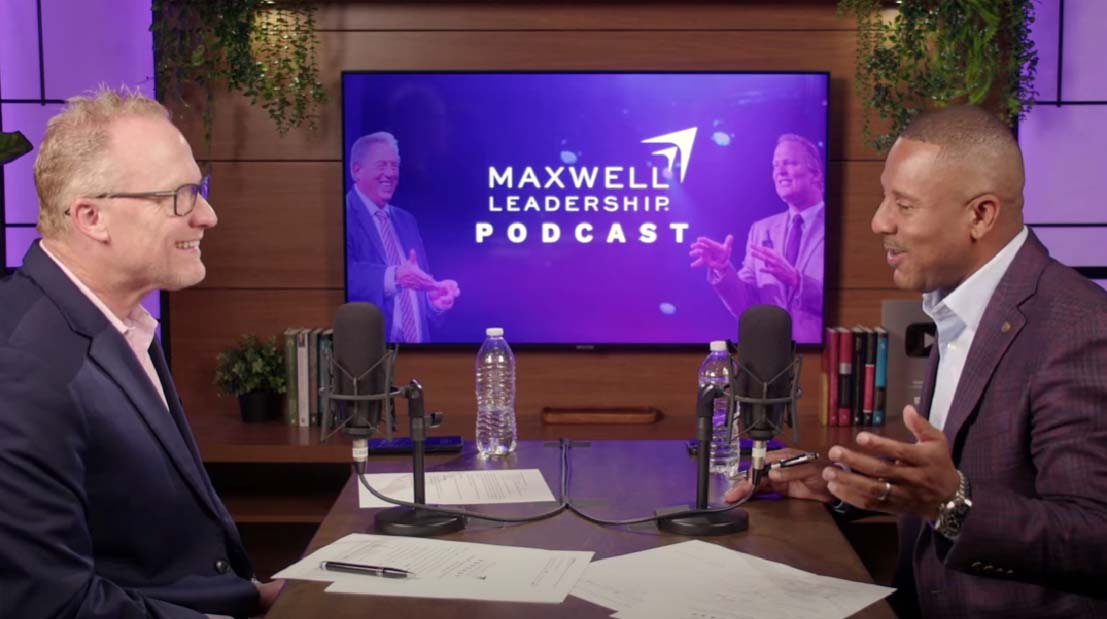
In the Maxwell Leadership Executive Podcast episode “Cultivating a Culture of Accountability,” Perry Holley, a Maxwell Leadership facilitator and coach, and Chris Goede, executive vice president with Maxwell Leadership, make the case that accountability is something a leader cultivates in people through coaching. The leaders who build the strongest cultures tend to share one habit: they coach rather than command. It sounds like a small adjustment. It changes how the whole team works.
Assess where your people are
Growth pushed on someone who is not ready for it produces resistance, not development. Chris Goede compares it to being force-fed medicine as a kid: when the timing is wrong, the message gets spat out no matter how good the intention. So before you set a stretch goal or hand off a hard project, learn where each person stands, what motivates them, and where they want to go. Diagnose before you prescribe, and people lean in.
This is where a lot of well-meaning managers get stuck. Perry Holley describes coaching a leader who admitted he was too far into his team’s work. Asked whether he trusted his people, the leader said yes, he just wanted to be sure the job got done. The answer gave him away. He had never mapped where each person was strong and where they needed help, so he stayed in everything by default.
Set clear expectations and provide real support
Accountability needs clarity to stand on. If people are unsure of the goal, their role in it, or what good looks like, ownership has nothing to grip. Spell out what each person owns, what success looks like, and how their piece connects to the larger goal. Then back that clarity with real support: time, resources, access to coaching, and a leader who stays present.
The common breakdown, as Goede tells it, is the leader who hands off a task and disappears with a cheerful “let me know how that goes.” The person is left to guess at what was wanted, the result misses, and the leader is annoyed. Clarity without support sets people up to fail. Pair it with steady presence and honest, well-timed feedback, and you build the trust accountability runs on.
Challenge people to grow
Growth and accountability pull in the same direction. When a leader hands someone a stretch assignment, cross-functional exposure, or a project just past their comfort zone, the message underneath is belief. People tend to rise to the level of belief a leader holds for them, especially when that belief comes with the support to back it.
Perry Holley shares a sobering observation from years on stage. Asked what their personal growth plan looks like, rooms of thousands usually go quiet. As he puts it, growth does not happen by accident; it takes intentional effort. He points to the unseen hours of a leader’s day, the early mornings and the quiet gaps, where small disciplines repeated daily add up to something remarkable. Leaders who invest in their own growth earn the right to ask their teams to do the same.
Model vulnerability and build trust
Teams read their leader far more closely than any values statement. When a leader names a mistake or a current struggle, the team learns that honesty is safe. When a leader performs perfection, the team learns to hide.
Goede describes working under a leader who never leveled the playing field. The team looked up, decided they could never measure up, and checked out. Holley pairs it with a line he heard from John C. Maxwell: if people look at you and think “so what,” you have lost them; if they think “me too,” they are with you. Vulnerability reads as strength here, and it is what gives a team permission to be honest about their own gaps.
Celebrate progress along the way
Recognition is what keeps accountability from curdling into pressure. People need to know their effort is seen and their progress counts. Name individual contributions, mark team wins, and tie the recognition back to the specific work that earned it. What matters is consistency, not size: a small, genuine acknowledgment in the moment lands harder than a polished one that arrives late.
Daily habits that reinforce accountability
Motivation comes and goes; structure is what lasts. The strongest teams run on a few rhythms repeated until they are automatic:
- Weekly check-ins that give commitments a predictable place to be reviewed and let obstacles surface before they become crises.
- One-on-ones built around growth rather than status, which create the trust that makes hard feedback possible.
- Project debriefs that ask what worked, what did not, and what changes next, so every initiative teaches something.
- Visible recognition, where progress and ownership get named and the team sees that the effort registered.
None of these is complicated. The discipline is in doing them when the week gets busy. These rhythms keep anything important from slipping through the cracks and let the team trust that commitments will be kept, without anyone needing to hover.
Becoming the kind of leader your team will follow
The hardest part of building accountability is starting with yourself. You cannot ask a team to own their growth, their commitments, and their mistakes if you are not owning yours. Goede points to something Maxwell keeps repeating lately: the greatest attribute of a person is teachability and coachability, and if someone stays coachable, the ceiling lifts. A senior leader who is still teachable sets a standard the rest of the team can feel. When the people at the top keep growing, growth becomes contagious.
Build a culture of accountability with Maxwell Leadership
Accountability erodes when the leader carries the standard alone. It takes hold when a leader coaches people into ownership, models the behavior first, and builds the daily rhythms that turn good intentions into follow-through.
Maxwell Leadership works with executive teams that want to lead with clarity and connection at the same time. Our in-person executive leadership training develops leaders who can hold themselves and their teams to a standard without spending the trust that makes the standard stick, drawing on values-based principles Maxwell has been teaching for decades. You can also follow the Maxwell Leadership Executive Podcast for practical leadership thinking each week, or reach out to talk through what accountability could look like on your team.
Start with the move that fits where your team is right now, and keep at it. A culture of ownership is not built in a workshop. It is built in the small, repeated choices a leader makes after everyone has gone home.
FAQ: Accountability in the workplace
What is accountability in the workplace?
Accountability in the workplace is the shared practice of owning outcomes, commitments, and behavior. It goes past finishing tasks: following through on what was agreed, flagging changes early, and helping the team learn from wins and misses alike. Healthy teams treat it as a relational habit, not a punishment.
How is accountability different from blame?
Blame looks backward to assign fault. Accountability looks at the outcome from the start, fixes what breaks, and pulls the lesson out of it. The practical difference is where people put their energy: into defending themselves, or into improving the work.
How can a leader build accountability without micromanaging?
Set clear expectations, give people the support they need, and keep a predictable check-in rhythm. Coach more than you direct. When people know what they own, have what they need, and meet regularly to review progress, accountability becomes part of the workflow instead of something enforced from above.
What are the characteristics of accountable employees?
They hold themselves to a high standard before holding others to one, take ownership before results are in, seek out honest feedback, stay connected to the purpose behind their work, and keep the daily habits that hold their commitments together.
How long does it take to build a culture of accountability?
It comes from small, consistent habits sustained across months, not from a single training session. Coaching and workshops can speed the shift, but the lasting change happens when leaders model accountability daily and reinforce it through team rhythms.