Perry Holley and Chris Goede explore the concept of the multi-hat leader and the importance of adapting to different leadership situations. They outline four essential hatsâcoach, advisor, leader, and mentorâand share insights on when and how to switch between them. Drawing from personal experiences, they offer practical advice for overcoming the challenges of wearing multiple hats and choosing the right one to lead effectively.
Perry Holley:
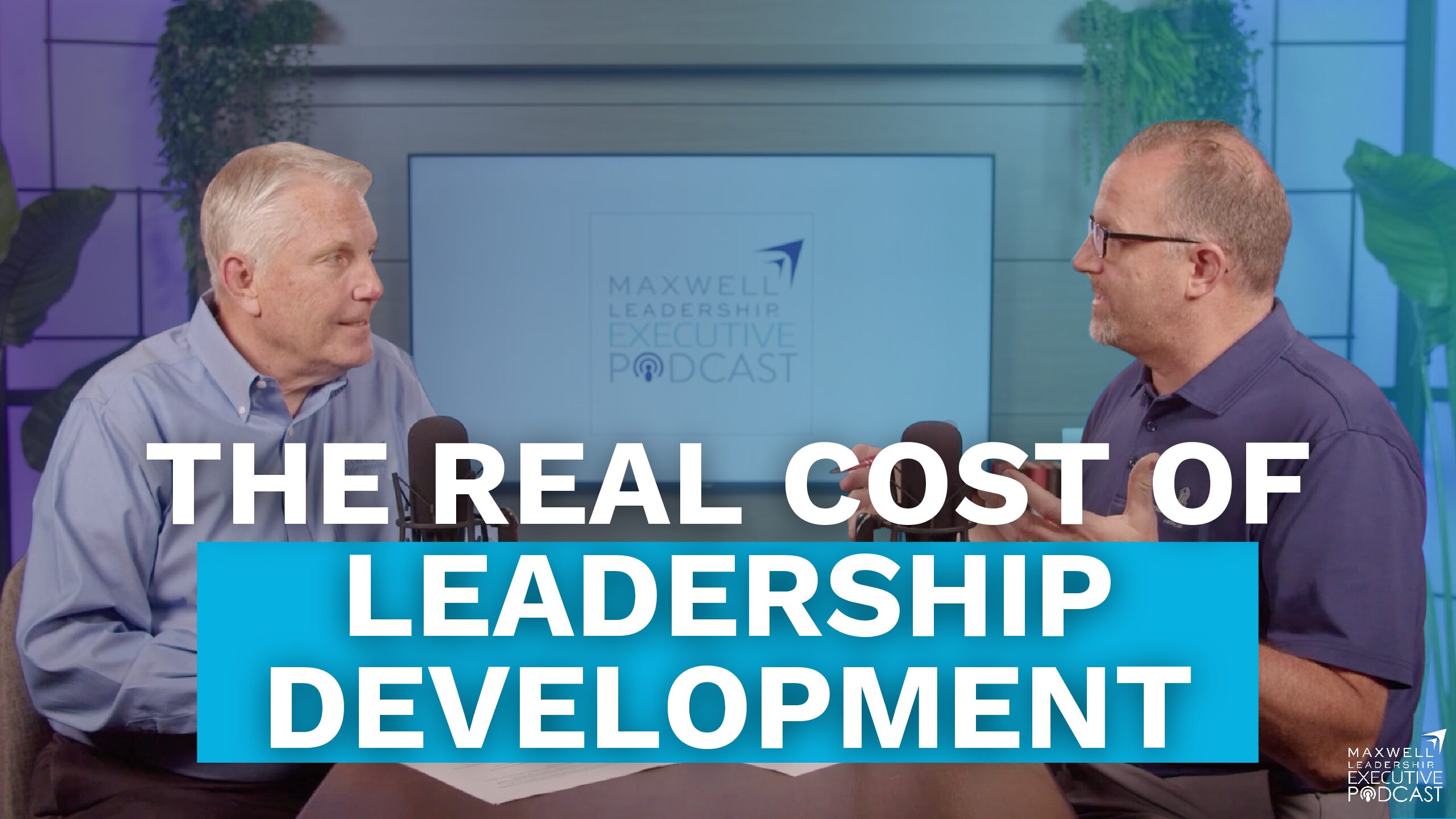
Welcome to the Maxwell Leadership Executive Podcast where our goal is to help you increase your reputation as a leader, increase your ability to influence others and increase your ability to fully engage your team to deliver remarkable results. Hi, I’m Perry Holley, a Maxwell Leadership facilitator and coach.
Chris Goede:
And I’m Chris Goede, executive vice president with Maxwell Leadership. Welcome and thank you for joining us. I want to encourage you to go to MaxwellLeadership.com/ExecutivePodcast. There there’s a form you can fill out if you’re interested in learning just a little bit more about what we do in the field with organizations even around some content that we’re going to talk about today. John’s 360 degree leader and what that looks like in the multi hat syndrome and leading into where we’re going to go today. Man, we are, we would love to hear from you and we’re here to serve you. Just fill out that form, let us know and one of our team will follow up with you. Well, as I just mentioned, today we’re going to talk about the multi hat leader and today this topic you think about every executive, every leader, team leader, we all have many hats.
Chris Goede:
Aatter of fact, even if you’re listening to this, you don’t lead a team and you serve and you volunteer or maybe even home like you’re wearing multi hats all the time. And so this is something that where we have to learn how to transition the hats. What a hat, when do we use what hat? And that’s what we’re going to dig in today because you’re going to have to do it oftentimes in the same conversation. By the way, you can’t step out of the conversation or the office or the meeting say now let me come back in with a different hat. You got to be aware of it and intuitively be able to flow from one to the other. And so Perry, super excited to dive in. I did notice you’re playing hurt today. Your tone of your voice.
Chris Goede:
He’s been really for a long time trying to get it down to my level. Down to my level. Right. Yeah. And so he’s coming in off of a three week run in the field. Clients internationally has been on a lot of planes, airplane air. And so since then he’s got a little bit of a sinus. But he’s here because we’re going to be record a couple of podcasts for you today and one of those the.
Perry Holley:
Listeners here goes up that will that.
Chris Goede:
We’Ll make sure your voice stays that way. Yeah, that’s good.
Perry Holley:
Well, this multi hat thing is interesting because we like to think our job is just come to work. Give you, let’s give you wear that one hat and you brought up in the 360 leader. We talk about leader challenges and this is by far of the seven or eight that we survey in the room. There’s a little assessment. This is number one always. And there’s nobody that I know today unless you’re a quiet quitting somebody that you only have you highly do one thing, I do one thing only. No, you don’t. You have multiple things being asked of you.
Perry Holley:
But this today I wanted to focus just on specifically on the leader and one of the hats is leader and but you also have a hat that you wear that might be the coach. You have another hat you wear that might be the advisor. You have another hat you wear that might be the mentor. And you and I were just talking before we came on the air that I was working with a client yesterday that one of the hats they may need to put on is the.
Chris Goede:
Yeah, that’s a new hat we’re adding to it.
Perry Holley:
I had not thought about right off.
Chris Goede:
Of a coaching call from yesterday yesterday.
Perry Holley:
And I thought, wow, it really is true. And you think really, really is that my job is to parent them because they’re young and they haven’t been trained. They don’t know. I said no, of course not. But if you could put that hat on for a bit and maybe it’s more the mentor about sharing your experiences, we can talk about the different hats. But I just thought it’s very interesting if you get your hats right and like you said can move between them is a big deal. They do overlap. They sometimes compet.
Perry Holley:
They make you the give you the full toolkit of what you need to to lead and influence and be the effective leader that you need to be. So of these that I listed coach, advisor, leader and mentor, do you recognize this and your leadership here at Maxwell?
Chris Goede:
Yeah. And actually it’s interesting off of your call yesterday, that image of a parent hat. Right. What’s interesting is you think about this. You took me back to. Well as a parent I, I wear these four hats. Oh yeah, right. And so you think about that.
Chris Goede:
Now we’re not saying this level one parent like because I said so. We’re just talking about influence and we’re talking about leadership and we’re talking about your team and people and your peers and those at work. And so you look at each of the four that you’ve brought up to Us. And you got to be able to understand, you know, when to use what hat, when to wear what hat, I guess, and then be able to kind of transition fluidly through that because it is real and no, no matter what of life we’re in. So let’s, let’s start with the coach hat. And when you put this hat on as a coach, what you’re not doing is giving them all the answers to the. The quiz, right? You’re not, you’re not saying, hey, this is how you go do this. You’re actually listening.
Chris Goede:
You’re asking questions. You’re facilitating a dialogue. You’re helping people set their own goals. You, you do this on a daily basis with, with our leaders and organizations around the world, right? Your, your process of a coach is asking these questions, how do I get to pull out the best in themselves? So that. Then they go, oh, man, that makes sense. But you did it through asking questions, through listening. You were actually just talking about on a coaching call, the same coaching call where an individual made a comment. And so you made a little note and you said, let’s go back to this couple questions around that, which then had some aha, moments in the room because Perry was acting as a coach for this team on this group call.
Chris Goede:
So just think about that coach hat. Remember, it is not telling them the answers. It’s asking questions, it’s listening, and it’s being curious, which we’ve talked about on this podcast.
Perry Holley:
It can be a tough shift sometimes for leaders that just, especially in the speed of the space of life, the pace of business is easier sometimes just to tell people what to do. And people don’t like to be told. And that really is what we would call level one leadership. From the five levels of leadership, you just, you’re leaning on your title. You have the right to tell people what to do, and you’re not going to build influence doing that. So the coaching, like you said, is more about drawing out of people, helping them come to an understanding of the answer. I like two words that I often think about when I’m. If I’m being a successful coaching leader is that the person understands that they become very aware and they take responsibility.
Perry Holley:
If they leave. If they leave my conversation with me and they are not aware that there’s a problem and it’s theirs and that they’re responsible. Maybe they think I’m responsible. We have not been successful to do that. That. So is this. What would you consider this the hat you wear most? And is it difficult to slip it on and then come into that. Well, I’ll answer that because I’ve been around you enough and I see you do this really well.
Perry Holley:
But what are the challenges with that?
Chris Goede:
Yeah, it’s a good question. Do I wear this one the most? I would say yes. I would say, hands down that I come into most conversations and situations wearing this hat. I want to guide people. Right. To find out the solution. Not necessarily me just go in and tell them. Because then what happens? Right.
Chris Goede:
That behavior is something that gets repeated because they know where the least path of resistance is to find out the answer. Yeah.
Perry Holley:
If it doesn’t work and it’s your fault.
Chris Goede:
So 100 and so I, I have. That’s right. And I have people right now that. Let’s say we’re. Let’s say we’re working with an organization and we’re helping them build a leadership development plan for a whole year. And I’ll have a team member come in and say, hey, here’s the context. Here’s what the pain points are. What.
Chris Goede:
What do you think we ought to offer? And I go, well, tell me what you think. Right. Like what? How will that address the competency that they’re deficient? What do you think She’s. And then I let them go through that process. Leaders, listen, you. You have the answer most of the time in your head as a coach. You have to shut down that voice and you’ve got to just ask questions so huge to pull that out. Because here’s what happens now.
Chris Goede:
They’ll come to me and say, hey, here’s the context. Here’s what I’m thinking. Here’s another option. My recommendation is this. And I go, oh, man, absolutely. Like, run with it. And be very careful when you’re wearing this hat not to discount the answers that they come up with. Don’t shame them if it’s completely wrong.
Chris Goede:
Coach them to move their answer to where it needs to be a little bit different. Don’t become an advisor in that moment. If you’re wearing the coach hat, stay with the coach hat. And when you do that, here’s what I wrote down, it builds confidence in them. And I think you begin to see long term growth where now they’re not even coming to me and we’re having partnerships and rolling it out and there’s two years later, and I’m like, well, who in the world designed this? Right?
Perry Holley:
Where’d that partnership come from?
Chris Goede:
Yeah. And so I think when you wear that, just a couple of things came to my hand when you asked that question. That I think is really important as we look at this coach hat.
Perry Holley:
Well, I’ve watched you grow in this organization over the years and now that you have a much bigger level of responsibility, the fact that you coached the team is really paying off. Now that investment where while it might have been hard at times, just not. I just, let me just tell them the answer.
Chris Goede:
Correct.
Perry Holley:
And one thing you said I really love is that if they say something, this came up on a same call yesterday that the guy says, well, I ask them what they think and they tell me this harebrained thing. I go, okay, there are no hair brain things. If they’re sharing, that’s, that’s, that’s right. That’s the win. Now you think it’s a hair brain idea, that’s fine. But now you know how they think. He goes, what would make them think that way? Who knows? But now guess what you get to do now you get to coach their thinking. But if they don’t share, you don’t know how they’re thinking.
Perry Holley:
You can’t coach a thinking. So I really want to know how you’re thinking. And then when you say you and I both do this, say it. Well, I have a point of view and I’ll share.
Chris Goede:
I learned it from you.
Perry Holley:
I’ll share. I’ll share my point of view, but you share yours first.
Chris Goede:
Yeah.
Perry Holley:
Then I can hear how you’re thinking. And I’m going to share my point of view. I just can’t help it. But, but I want to hear how you think. And if I know how you think now, I know how to help you. And I hear Liz Wiseman in the back of my head. Are you trying to be the genius, Perry, or are you a genius maker? If I’m giving the answers, it’s not I’m building. I’m showing you how genius I am.
Perry Holley:
And I want you to be the genius because as you’ve gone up, you’re now you can walk away and go do things and go see clients and be out front. You can work on the business. You don’t have to be in the business because you’ve built a team that operates well without you. How’d you do that? Coaching and coaching leader. Asking questions, not giving answers, making it tough, giving them support. I mean, it’s really all the things we talk about set you up to be the senior leader you are today. And I thought, oh, that’s a really good model.
Chris Goede:
And I think the more that you can wear the coaching hat, the more buy in you get from Your team down the road. Right. As we begin to think about this, when we’re going to look at the others and the next one in just a minute, you’re probably not getting a whole lot of buy in. But where you coach them through the process and you ask those questions and you help navigate their answers that are their answers, unless the thinking is completely way off, you get to buy in from them. And that’s where that confidence comes from.
Perry Holley:
So the second half that I mentioned was the advisor. So making that leap you mentioned a minute ago, try resist. When you’re in the coaching hat, flipping over to advisor, which to me means is that you’re like a sounding board for people. That’s right. They, you know that they need some advising and some advice from you is where you maybe bring your experience, your expertise, you guide them to how to navigate challenges, maybe avoid some pitfalls that you may see. But is it just a fine line difference here or how do you see that? And when, when do you just do you kind of pull the chain? I’m okay coming into the advisory hat here.
Chris Goede:
Here’s what we’re doing. So I don’t think there’s a fine line. I actually think that there’s probably a fine line between coaching and maybe one of the other ones. But for me this one is, is, is very distinctive in itself. So it’s more directive than it is coaching. And it’s speaking from my experience. Now I lean towards saying my experience because I also am very logical when it comes to how I’m wired. And so I’m like, oh well, if that has worked before, that’s going to work again.
Chris Goede:
I want to go ahead and, and, and share that. And so the other thing here is that I wrote down was you’re adding clarity without taking away the ownership. So I’m not saying, hey, give that project to me, let me run with it. I’m just saying here’s what I know has worked. Here’s a couple of approaches that you may want to consider. And then they still own it. But I’m creating a little bit more maybe clarity in, in their mind. I have a team member who will periodically come in and just verbally process with me.
Perry Holley:
I was just thinking that a minute ago.
Chris Goede:
Right. And so they just want, at some point in time, they just want me to help advise them on a certain situation that they have not experienced before.
Perry Holley:
They’re not asking for the answer.
Chris Goede:
They’re not asking for the answer. Is that clear that some are. We’ll talk about that just minutes Some are, and I think some you have to give to. But they’re just verbally processing so I can help advise them sometimes I’ll coach through that, but most of the time when I know they come in that they’ve thought through it, they’ve worked on it, they’ve asked themselves some tough questions, and now it’s me just using previous experience.
Perry Holley:
Yeah. Yes.
Chris Goede:
To be able to. To do that same thing. We talked about parenting just a minute ago. Think about this. I was talking to Sarah this morning, a matter of fact about this, and she was on a coaching call with a mom that’s struggling with one of her teenagers. And, and she’s like, well, no, like you shouldn’t be doing this is what. And she, and she’s like, she called me and she was like, I am sometimes really surprised at what is being allowed to happen or that they just don’t know. And I said, your past experience as a mom allows you in that moment to advise of a certain situation.
Chris Goede:
Same thing with leaders, your previous experience from other organizations, other content pieces. It allows you to get to that point where sometimes you just have to be a little bit directive and advise.
Perry Holley:
And I wondered if in that moment of coaching, do you deserve a switch that flips? Is there a I need to move on to advising or are you trying to fight that off?
Chris Goede:
So I try to fight that off, but where I don’t fight it off is when I know it’s their first time experience. So think about this. Let’s say I’m leading a sales team and I brought on a brand new sales professional. They’ve never done one of our contracts before. They’ve never gone through the pitch before. They’ve never done discovery phase. All of those things they’ve never communicated to a client. So when they come to me with a question or we’re having a conversation in times where they have first time experiences, I’m going to bring my perspective, my experiences, so that they can gain clarity over what has worked in the past or how we’ve done it in the past.
Chris Goede:
The reason I do that is not to be a dictator, not to advise one. They need that. But what it does is it shortens their learning curve. And then we start getting into some deeper questions. It gives them a little bit of stability in their response or what they’re doing. And so I’ll advise them through that.
Perry Holley:
So you’re avoiding being the micromanager. And one of the things I’d written down in my study of this was somebody had said, advice is Input, not control that. I’m not trying to micromanage you into something. I, I’m trying to help you. I guess we don’t have to get into it now, but if they don’t take your advice, then that may we’re back into coaching.
Chris Goede:
Maybe, maybe a different story or a leader hat, which I’ll tell you about when we talk.
Perry Holley:
Yeah, go there, let’s go there.
Chris Goede:
So let’s get transition of what we might need to do there. So now let’s change hats again here and talk about this leader hat. This is the one that we most often think about. When you’re leading a team, you’re leading a person, you think you got your leader hat on. This is where the influence, the vision, the motivation comes in. You want to inspire them. And it’s not just helping them succeed, it’s really helping them align with the bigger vision of, of what we’re doing here. Particularly for Perry and I at Maxwell Leadership.
Chris Goede:
And if I could just pause for just a second, I think as a leader that’s one of the. I think that’s one of the things that leaders miss doing often, which is that last little comment about have you been able to tie what they’re doing as a team member, as an individual contributor, have you been able to tie that to the bigger mission and vision? And when you can do that, that hat as a leader, that’s your responsibility. And when you can do that, I think you’ll see a tremendous response from your team members, especially in the engagement level.
Perry Holley:
Well, as we think about it as building your influence. Think about being the leadership leader hat about multiplying potential and the people on the team. If you’re just coaching for their personal goals without really connecting them to the team or the organizational goals, I mean that leader hat is much bigger thinking that coaching hat. Personally individually focused advising. Definitely individually, this leadership hat, building my wider influence with the team and connecting the individual with the team and what we’re doing. It’s really one of the reasons I like the lesson is that you’re thinking about when to wear what hat.
Chris Goede:
Yeah.
Perry Holley:
Is that for me, is that can I. Should I be mostly in coaching hat? Should I, I play my influence or try to build up to the bigger vision? There’s this fascinating to me, I wondered one of the questions I’d written for you there was. Is there a time when you intentionally put on the leadership hat? Yeah. Is that a weird question? What do you think about.
Chris Goede:
No, I think I do that every Monday at 1 o’ clock when I’m in town when I’m present. Right. In those meetings you don’t like to attend. Which than about this, before we’re clarifying, Perry has advised me that he will not be attending any. Meaning he doesn’t have to, poor guy. I mean, he’s retired. He wants to go. And he has tried to retire, by the way.
Chris Goede:
Podcast listeners, I need you to. I need you to go to that form I told you about and tell him no. And I’ve talked him out of it three times and continue to do so. Yeah, for me, it’s on Mondays, right? It’s in the team meetings. It’s casting the vision for where we’re going as a team. It’s reporting on the numbers. It’s talking about what. What are the struggles that we’re dealing with? Hey, what are the wins that we’re dealing with? Because my goal is to help the team hold each other accountable, but to have alignment in where we’re going so that we have direction and that the team is moving together as a unit, not individuals.
Chris Goede:
So this past Monday, one of the things that I did was I took our sales team and I said, hey, here’s what I want you to do. Give me a. Give me a partnership that we have now secured, and I want you to talk about from beginning to end. And some of them were like, tell me more. What do you need? I was like, well, I want the entire team as a unit, to understand where we’re moving and who is involved in what we were doing. And so I was wearing my leader hat, thinking about, I want everybody on the team to be engaged and feel of that as a win. And so that was just one of the techniques to be able to do that.
Perry Holley:
It was good. Let’s. As we head toward wrapping up, looking at the final hat is the mentor hat. To me, this makes things much more personal. It’s where you share your own, maybe your journey a bit. The wins, the losses, the scars, the victories. It’s about maybe being a little vulnerable, saying that here’s what worked for me and here’s what didn’t. Is there a time that this comes out? When do you see this one happen?
Chris Goede:
So it’s interesting as we work through this and you had given me the notes ahead of time, I started thinking about this. And, you know, this around here, we try to pour into. We always say at level four, we pour in to the people, develop them both personally and professionally. Right. And so I think this is an opportunity where when you put this hat on that you can share some life lessons, learnings that you talked about. You could look at opening doors of growth for them in their personal life that maybe you just have some connections with. Like, you’re wearing a little bit of a different hat. I love it.
Chris Goede:
You saying being vulnerable, right? Like, this is the John’s ability over the years to be self deprecating and be completely okay with sharing his failures. Like, those are the type of things that happen in this, in this mentoring relationship. And when you do it authentically, you guys that listen and follow, Perry and I, you know, we’ve talked about how authenticity is a trust accelerator, but when you do that, it’s. You’re transferring wisdom to them, not just information. I had someone tell me one time, the difference between coaching and mentoring is when you’re mentoring someone, you’re pouring the best of you into them. In coaching, you’re trying to pull the best out of them.
Perry Holley:
Yeah, right.
Chris Goede:
So there, there’s the difference that I want you guys to, to understand and be able to do this. I. I think this happens with your team. I think it also happens with your peers. I had someone that’s a peer of mine reach out to me and say, hey, I want to grab lunch. And I said, man, let’s do it. I said, how can I come prepared? What’s up? What’s amazing is the whole conversation was about his growth, you know, as a leader. And so I was like, man, I love this.
Chris Goede:
I’ll. I’ll tell you everything you need to know and things I did wrong and where I was slow to and what. And so that’s a mentoring conversation. I knew going into that because of the context of the meeting, that I needed to put my mentor hat on, not come in with my leader hat on, not coach. Right.
Perry Holley:
They’re actually, here’s what I advise you to do.
Chris Goede:
Yeah. Or advise or parent. We’ll go back to the parenting thing. So, yeah, I think that’s the biggest, biggest difference. And so I said earlier, just as I started that I’m always looking to put this hat on. Why? Because I think that the value that you can add to people personally and professionally personally has a greater impact on them and what happens outside of work to, to you and I, which means more than anything we could do at work. And so I’m always looking. I don’t want to overstep.
Chris Goede:
I don’t want to say, oh, well, here’s what I would do if I was you. Like, but when the door is open or cracked, I will walk through that in a Hurry.
Perry Holley:
Well, this is where that call end up yesterday with. And the leadership is concerned about. Some of the younger folks are not, they’re not driven the way that the older folks are. And they have different.
Chris Goede:
That’s right.
Perry Holley:
But they’re also, they’re not aware of. They think they can work. I just got to work the minimum amount of hours to get the minimum amount of money because that’s all I need. And they’re trying to say, don’t you want to think about the future? What about, you know, 25 years from now where you wish you had done so I said these hats you can put on. The mentor hat is kind of the parent hat. It is. Let me share what I’ve learned because I am, you know that the other guy was talking, I’m 50 and you’re 22. Here’s what I would tell my 22 year old self.
Perry Holley:
And here’s what the mistakes I made wish I hadn’t done right. They still get to make the choice, but they also are going to have the consequences. So you’re just sharing you and I love that. So the whole idea of the lesson was all these hats are going around. If you get a little more intentional, you might be a little more effective because you can meet people where they are and draw the best out.
Chris Goede:
You will be more effective. And I love it because what’s the. The purpose of this podcast is Perry and I are here to talk about how do you increase your influence with your leaders, with your team members, whatever that might look like. And when you get intentional about this, I promise you that you will increase your influence. And some of us are extremely comfortable with certain hats. Others we tend to avoid. And my challenge to you is, hey, which ones are you tending to avoid? Because I think you, to Perry’s point, you got to be well rounded and have clarity on which. Which hat and be able to move fluidly.
Chris Goede:
Which got me to thinking our five levels of leadership is all about influence. That’s what this is based off of. So this is just raw right off top of head. I don’t know that it’s exactly accurate, but I started thinking about this and I go, oh, well, an advisor is providing direction. It’s almost, almost kind of level one influence. Right. Level two is really that coach where you’re drawing out the best and they leave feeling connected to you because you pulled something great out of them. You built confidence.
Chris Goede:
Level three is the leader hat, which is where we’re creating clarity and vision. And then level four is the mentor hat, which is developing people.
Perry Holley:
You did that all by yourself.
Chris Goede:
Can you believe that?
Perry Holley:
I’m looking at your notes.
Chris Goede:
Unbelievable. I’m getting ready for Perry to retire, trying to practice.
Perry Holley:
Who did you get this from?
Chris Goede:
And so when you think about this, I love what you said because we do have to wear all four hats all the time. And like Perry said, also when we do the 360 leader training, we talk about these different challenges and leaders have, this is the number one, has been for years, always will be the multi hat. But in the class we talk about that as doing all these different things. Today, we want you to think about this multi hat as saying, hey, I’ve got to think about what hat I’m going to put on in what situation. And if you figure it out, you will increase your influence.
Perry Holley:
Fantastic. Well, thank you, Chris, for the insights as well. Thank you all for listening. If you would like to know more about these five levels of leadership, if you’d like to learn about our other offerings or other podcast offerings, you can do all all of that at MaxwellLeadership.com/ExecutivePodcast. You can also leave us a comment or a question there. We love hearing from you. Very grateful you spend this time with us. That’s all today from the Maxwell Leadership Executive Podcast.
Transcript created by Castmagic.




Be the first to comment on "The Multi-hat Leader"