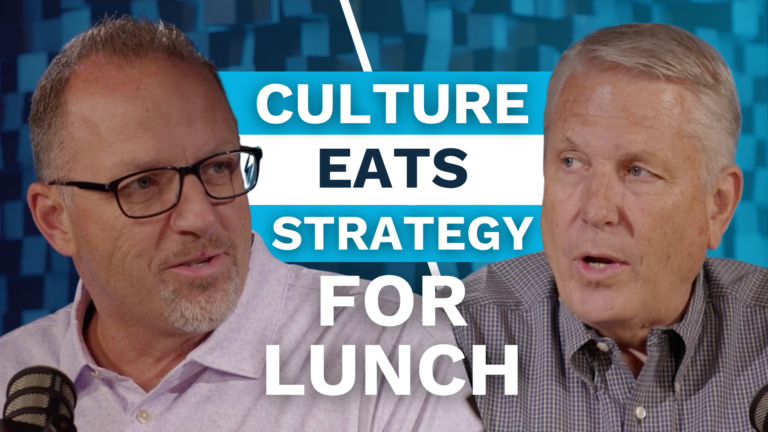
In this episode, Chris Goede and Perry Holley explore what it takes to design a workplace culture where people genuinely want to stay. They outline the critical role that psychological safety, meaningful autonomy, and consistent leadership play in building loyalty rather than just retention. They also discuss the power of growth opportunities, recognition, and high standards paired with strong support in keeping top talent engaged. This episode offers practical strategies and real-world examples for leaders committed to creating a thriving, high-retention work environment.
Perry Holley:
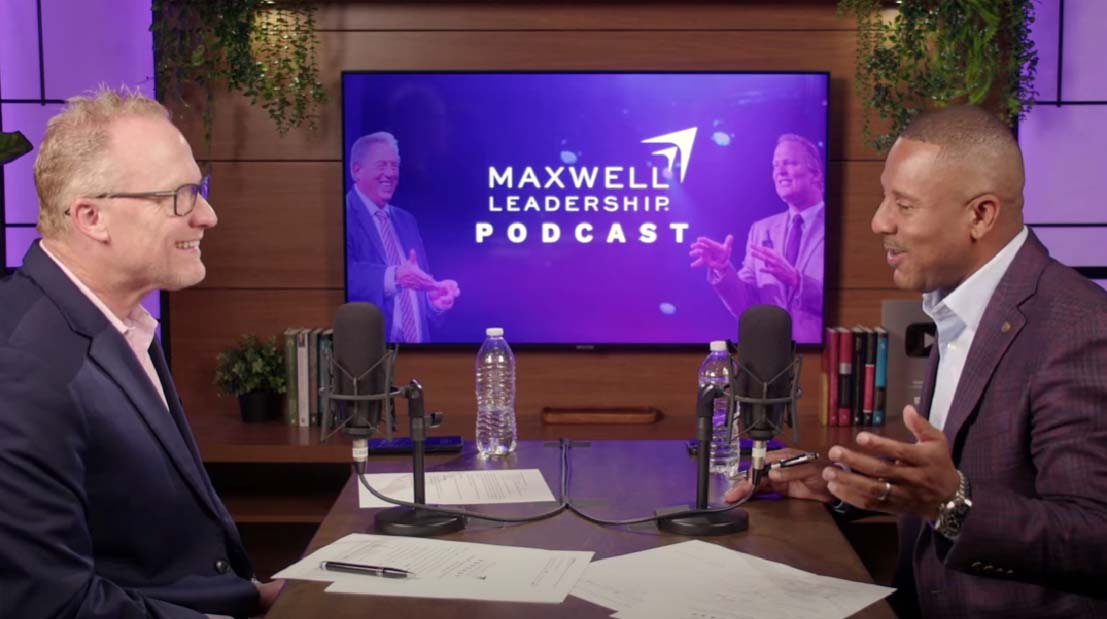
Welcome to the Maxwell Leadership Executive Podcast, where our goal is to help you increase your reputation as a leader, increase your ability to influence others, and increase your ability to fully engage your team to deliver remarkable results. Hi, I’m Perry Holley, a Maxwell Leadership facilitator and coach.
Chris Goede:
And I’m Chris Goede, executive vice president with Maxwell Leadership. Welcome and thank you for joining. I want to encourage you to go to MaxwellLeadership.com/ExecutivePodcast. There you can fill out a form. You can download the learner guide when you get to the forum. One of the things we’d love is to hear from you as a listener. What challenges are you having as a leader with your team, with your own development? And what Perry’s brilliance will do is take that and put that into a podcast for you and we can listen to it. Brilliant, futuristic brilliance.
Chris Goede:
Well, today’s topic is designing a culture where no one wants to leave it impossible. I don’t know if it’s possible or not, but, man, could you imagine when you think about the engagement levels, when you think about the turnover percentages, if we could figure this out and people genuinely did not want to leave, not because the market’s bad, not because they feel trapped and there’s nowhere else to go, but, man, they actually wanted to stay and be a part of what we’re doing.
Perry Holley:
Yeah. And people always talk about retaining talent and, you know, retention sometimes can come from fear. I don’t, you know, I’m afraid of Wells is out there. I don’t want to leave, but I’ll just stay. This is not that bad. But loyalty. I want to move from retention to loyalty and thinking, do I have a. It’s kind of built on trust, I think, at that point.
Perry Holley:
And do I have a kind of culture that does that? A lot of times people, the culture has gotten mixed up with perks and, you know.
Chris Goede:
Yeah, ping pong table, that’s. I was going to say foosball tables and lunch.
Perry Holley:
This really is about what human. Every human needs at work. And they’re trying to. What do they feel like when they come here and how much do they enjoy it? So I’m thinking things like, we talk about safety, psychological safety, about meaning growing. There’s, you respect me, I have autonomy. I can do my own, my own job. This feeling of belonging and fairness, we’ve talked a lot about that in, in our inclusion work. I feel like we have momentum here.
Perry Holley:
It’s just, it’s a really, a great set of words. You think around a culture that says, I really want to be a part of this. I want to. I don’t have to. I don’t need to. I want to be a part of this.
Chris Goede:
Yeah, it’s consistency in how we’re. We’re thinking, acting and, and, and interacting. The other word is man, we got to be intentional about it. And if you missed last week’s episode, we talked a lot about how the behaviors drive culture, what that looks like. And so you got to be intentional about it, because here’s the deal. It is going to happen one way or another. Either you’re going to be intentional and design it, or it’s going to happen by default. And then what’s going to happen is that the people, their behaviors are going to drive what people think the values of the organization are, and they’re going to literally mold and shape the culture without you and your leadership speaking into that.
Chris Goede:
Here’s the other thing, too. We talk a lot about the fact that people’s. The engagement level inside organizations, but also the behaviors of how a culture is shaped and how they experience culture is through their leader, through their direct supervisor. And so you’re. Everybody at every level is responsible, is what I’m trying to get to, is to mold the fact that these are what our values are, this is what our culture is, and this is how we drive engagement. And people are looking at their leader for that, not the ultimate leader or owner. Right. And so we got to keep that in mind because we got to figure out, how do we scale this, what does this look like? Because we would love to create a place like that where everybody wants to stay.
Perry Holley:
Well, let’s get some practical ideas going here. This one, the first one that I came up, it was. It’s the first on a lot of lists, and we talk about it a lot in the last few weeks. So the word is psychological safety. That people know that they, what they say, that you respect them, that you want to hear from them that. That, that they can say what they need to say. There’s no judgment, there’s no shaming, there’s no anger, that it’s okay for me to speak honestly without fear. But I think we’ve talked enough about that.
Perry Holley:
But tell me, from a leadership point of view, what do you do as a leader to promote that? Do you think you can’t just say you can tell me what you need to tell me? I mean, it’s more than that, I think. But are there signs we should watch whether we have a problem with that, but are also the things that we do?
Chris Goede:
Yeah, several Episodes ago, I actually shared a situation in my leadership that kind of caught me off guard a little bit. And I think you always need to be aware of it. I think you always need to be questioning yourself about it as a leader. A couple of things that I think about in regards to this is, man, I am big about asking questions and also sharing personally where I’m at on certain things and being able to be vulnerable with them and say, yeah, whether it’s personal or professional and just modeling that. But then also not pressing. We got to be careful, like, well, tell me how you’re feeling today, Perry. No, really, tell me how you’re feeling. Like everybody’s not going to want to share with you at a certain level.
Chris Goede:
And you also have some boundaries there that you got to protect and, and you got to be careful of. You know, I’m not saying we would need to over share, but I think the biggest thing is consistency and I think the biggest thing is for me to model it as well. And then the third thing for me when you ask me a question is asking questions. You know, oftentimes I’ll start my meeting by, hey, how you doing? Like, they’ll go right into their KPIs and I’m like, no, no, like, how you doing? Like, well, how you doing? Right? So I think, I think there are a couple different ways that you can, you can be aware of that. Let’s talk a little bit though, when that’s not there. And the disengagement is beginning to happen with our team members. We talked about the fact it is a direct response to their leaders and how they’re leading them. But here’s what happens when someone’s disengaged.
Chris Goede:
They’re, they’re going, I probably not, probably not ought to say nothing about that. You’re famous, you know, salute and stay mute. The leadership doesn’t really want any feedback and any disagreement that I, you know, drive or, or in disengagement, it gets remembered. And so then I get kind of labeled as that. So that, that’s a disengagement culture. What we’re talking about now is shifting into a healthy culture and how it separates that is that where again, great leaders will reward truth telling. I love this. Are you a truth telling organization? We just had that conversation and those words were actually used in a meeting this morning here at Maxwell.
Chris Goede:
Are we really, are we really, really telling each other the truth? Invite dissent before decisions are finalized. It’s okay to not everybody not to agree. We need to be in alignment, not Agreement, Never, ever humiliate people for being wrong. And I think that’s a big thing I had to learn a long time ago in my leadership. Not humiliation. But, you know, Lencioni talks about the hungry and the smart. And one of the things during that whole process was making sure that I’m not at someone else’s expense, getting people to laugh. I don’t look at that as humiliation, but they may do that.
Chris Goede:
Right. And so we need to make sure that we’re never doing that. And John Maxwell teaches that leaders who are secure in themselves will empower others instead of actually controlling them. Where insecure leaders will silence people. And secure leaders are actually going to develop people.
Perry Holley:
I love the inviting dissent. You can probably add to this as well that I really do want to people to tell me the truth. I. I really do want to get dissent, but I sometimes feel like they hold back or they’re not sure. I often speak like you do. We’re in front of audiences a lot and I’ll ask for people, can you. Can you give me some feedback about what would make me a better speaker? I. I get.
Perry Holley:
I give them a card to write it on. Just hand me the card when we’re done and I’ll look at it later. And the card says, you’re amazing. Don’t change a thing. I go, well, while I appreciate your encouragement, what I really want is you
Chris Goede:
never invited me to one of those. Me. No, I’m just. Yeah, I’m joking.
Perry Holley:
I’m joking. What I really now, do you not feel safe telling me the truth to do that? I did hear Adam Grant said once, he said, stop asking for feedback and start asking for advice. So he’s. I like this. He said, instead of asking, how could I be better about that? Say, hey, give me some advice. If you were me and you did that speech, that’s amazing.
Chris Goede:
I love that. I love that.
Perry Holley:
What would you do different?
Chris Goede:
I’ve never heard you say that.
Perry Holley:
And they said, yeah, yeah, I’ll be glad to share that with you. But when it. It sounds harsh when I’m asking you dissent, tell me where I’m wrong. No, give me some advice. How would this.
Chris Goede:
It’s that feedback word, right? Like it’s a negative side.
Perry Holley:
Another way about this culture no one wants to leave is I just call it trust through consistency. Now, we talk about this a bit as well, but the word consistency when it comes to psychological safety, thinking about, are you consistent in your words, in your actions, and especially in your emotions that, that people can trust you, that when, when you tell them something hard or they come with a disagreement, that you can handle it, that they, they know who you are. It’s an authenticity that you come with that you don’t fall apart, you don’t escalate your emotions, you’re calm. And I just, I love that It’s. And Brene Brown teaches around this vulnerability, building trust, because you’re a known quantity. I know that I can trust you with my emotions, I can trust you with my feelings, I can trust you with my ideas and my perspectives, because you’ve earned that trust by being consistent in how you handle that well.
Chris Goede:
And that’s of. John has said this for a long time. And I think the more that we’ve studied organizational health and development, it’s now coming to life for me in a different lens where he’s always said that people buy into the leader before they buy into the vision. And I was like, well, I don’t know. I mean, I think people are at organizations and then I start researching, I start seeing development and start everything that we’ve talked about, about how, you know, people, you know, quit leaders, right? They don’t quit organizations. And I’ve seen it lived out in different experiences. And I go, man, that’s so true. Like, people will buy into the leader before they’re going to buy into the vision.
Chris Goede:
Maybe not even buy into the vision of the organization, but they’re bought into the leader, and so they’re there. And that’s how strong I think that is. And so, you know, leaders, man, if you can get to a place where they can trust you and that consistency is there, uh, man, there is a good chance that they’re, they’re going to stay. The next one is meaningful autonomy. Now for all you micromanagers out there, turn, turn the radio dial down for radio Dao. Who’s listening to this on the radio? Okay, let’s be honest. I just showed, I just showed my age right there. But this, this is, you know, the opposite of that is what I just said.
Chris Goede:
It’s micromanagement of it. And so the high retention cultures, man, they define the outcomes clearly. And, and then they let their team run. You and I talk about this with the 1080, 10, right? You, you have now a team around you that’s helping with content. And Perry’s like, hey, here, here we go. Here’s a 10%. Now go and go do your thing. Go do your skill set.
Chris Goede:
And so when you have that or you give that autonomy, part of the. They don’t. Who who woke up this morning and said, man, I can’t wait to be on Perry’s culture team. He’s going to manage the entire process today. He’s going to tell me what to do. No one wants to do that. Right. And so you think about what we’re talking about today in a culture where people want to stay, no one’s going to stay when you’re, when you’re in it with them.
Chris Goede:
Now we need to equip them, we need to develop them, we need to empower all that. But then we got to make sure that we give autonomy in those situations.
Perry Holley:
I know we did a podcast some months ago called I titled it how to improve your micromanagement and we gave you eye rolls on that one. But it wasn’t the, the outcome of that podcast was that you don’t want to micro. You want to micromanage the process, not the people. You want to make sure that they have the right priorities, they have the right resources, they have the right things. But we’re not going to micromanage you. I had somebody tell me years and years ago, do you want to have owners or hired hands? And I thought, I want owners. I’m going to have to have this culture that’s going to promote that.
Speaker C:
Even strong organizations plateau when leaders are not aligned. Execution, slow flows, communication breaks down, and teams work harder, but not better. At Maxwell Leadership, we help organizations turn leadership into a system, not a title. Through proven frameworks like the five levels of leadership leading through change and resilience training, we equip our leaders to drive clarity, accountability and results at every level. Because when leaders leadership improves, everything improves. If you’re ready to scale leadership across your organization, start with a free resource. Download the 5 Levels of Leadership field guide at 5LevelsOfLeadership.com. Inside you’ll find practical tools, self assessments and a 30 day plan to start building leadership that actually scales. That’s 5LevelsOfLeadership.com.
Perry Holley:
Another thing that have this culture, no one wants to leave and I probably should have made this first. But growth and development is that if I feel, if people feel like they’re growing and then they’re developing, I’m becoming better at mastery, at what I do here and I’m respected for that. It really is a high retention tool, I find, and it’s really what we call level four in the five levels. But people will rarely leave environments where they are growing and developing as people as well as as employees, but that they just feel like they’re a better version of themselves. Because of what you’re pouring into them.
Chris Goede:
I would say that one of the reasons here at Maxwell leadership, and I’ve been, you know, here in this organization on and off for almost 30 years, that is a big contributing factor to why I’ve stayed for so long. The access and the availability to challenge and to grow in the leadership and the personal growth world. I call it now the leadership bubble. Because I think everybody does this in every organization. And then we get outside and we quickly, we’re on a coaching call or you’re in the front of the room facilitating. We’re like, oh yeah, no, no, this doesn’t happen, you know, everywhere. And so I, I oftentimes tell people that that’s a huge reason. So we could have put that number one.
Chris Goede:
But, but, but either way, it gets overlooked at. When people think about why people stay inside organizations and even the data that’s coming out now where people are saying, hey, I am choosing to stay or I’m choosing to join a company because I know what my intentional development plan is for me personally. Not your career track. Right. That’s a different conversation. But how are you going to develop them personally? And it can be something as formal as an entire plan. That’s what we do for organizations around the world. But it’s also going to happen organically through you taking time to coach some of your team members and add value to them.
Chris Goede:
It’s, it’s thinking about how do I give them a stretch assignment. We talked about feedback here. How do I, how do I give them feedback in the right way that they end up, they end up growing and developing and then skill development. Don’t like, there’s a difference right. Between training and development. And that skill side is in the training part. Don’t forget about that. And so growth is a big time separator for your culture and your organization of people wanting to stay there.
Perry Holley:
Good. Another thing that would create a culture and I love this was high standards. High support is the way I titled this, but I got this from the work we were doing. We did a lot on Gen Z and how to work with and lead a Gen Z type of a teammate. But I got this from David Yeager and his book on 10 to 25. And I use it all the time to think about. He wrote define three types of leaders. There’s the high demands leader, lots of challenge, lots of really high standards, really challenging you to meet my standards and no support.
Perry Holley:
He called that the enforcer. And then if the other side of that was the protector, which Was, I don’t want to be too hard on you. I know your life is hard. I know that work can be tough. I’m going to just really help you all support. No challenge, no very low standards. You can do it. Come on, I’ll help you.
Perry Holley:
And he said, that’s a losing proposition as well. And what he centered on was, he called it the mentor leader, which was high standards, high support, which says, I believe not just anybody can work here, but I believe you deserve to work here. And we have high standards, but I believe you can meet them. And meaning, I’m going to help you to do that. And you think about when you’re in an organization that has low standards and mediocrities, no, I’m not staying. But if you have an organization, maybe it was tough to get a job here because they only hire the highest standards and they do excellent work and they maintain a high standard. However, the leaders help you. They support you, they want you to win.
Perry Holley:
They don’t want you to suffer and lose, but they’re going to hold you to the fire. They’re going to make sure that you maintain the standard. But I believe you can do it. I think I’m going to stay in an organization like that.
Chris Goede:
Yeah, the low standards you just mentioned, I’m not going to stay here. There are people that want to stay in those low standards, and you’re going to begin to have a team and an organization of low standards. But what Perry’s talking about, I’ve seen happen before in organizations where you’re high performers, okay. Whether they’re revenue generating, whether they’re the. The operations side of things, the shared service, whatever it is, if you have low standards inside the organization, they are not staying. And, and so you need. And then you’re going to have an organization full of people with low standards. And they do want to be, you know, are the.
Chris Goede:
Your high producing people. They, they want to make sure that they’re being challenged, they want to be supported, and that the entire, you know, tide is raising because they want all boats to rise, including theirs. So the next one is recognition matters. Okay, this is interesting because everybody needs some, some affirmation, right? And some encouragement when we’re recognizing people for a job well done inside an organization. There’s a couple of things. Number one, I want to make sure that you do it authentically. Use specific examples that, that you can lean on and say, man, I want to recognize Perry, I want to recognize Jason, I want to recognize Amanda because of this, right? And you have specifics because if you go general, what ends up happening is certain times that people carry more weight than others, and that happens. They kind of feel like they weren’t seen.
Chris Goede:
And everybody wants to be seen, valued and heard. We’ve talked about that. And so how do you get to the place to where they, they feel like, man, what the. What they’re doing, that we’re paying attention to it and it matters. Now listen, oftentimes we pay attention to a lot of the individual contributors or the leaders that are very charismatic that are revenue generating. Make sure you’re paying attention to everything inside your business that’s important. And recognizing the cost side of things as well, not just the revenue side you think about.
Perry Holley:
What do I recognize is I’m recognizing people having good judgment or being well prepared for. You came prepared. Yeah. You exhibited some real resilience. So you fought through that tough tie. You collaborated, all your collaboration across the organization. You really took some great initiatives. I love that.
Perry Holley:
I’m seeing a lot of improvement in your.
Chris Goede:
It’s great.
Perry Holley:
Those types of things go a long way with people to feeling value there. But let me ask you this. Salary compensation, does. Does that play into the culture?
Chris Goede:
Well, it definitely matters, right? What’s interesting though is so yes, it matters. It’s a part of it. I think that as generations come along, I feel like it’s dropping in how much it matters. I think back in your days, a long, long time ago, when you started your career.
Perry Holley:
My days before the earth trust hardened.
Chris Goede:
That’s right. And then we have Wade behind the camera today. And I think it matters because we all have to provide for our family. And it matters more to some than others because that’s how they’re wired and made. But I don’t think it matters as much as it used to. And so we still have to make sure we talk about fair market value and that people that feel like they’re being compensated fairly compared to somebody else in another organization that does something the same. But at the end of the day, once that fairness is there and they feel like they’re in the market value, then all of a sudden the retention and them staying there becomes more about the stuff we’re talking about the EQ side of things than it does that compensation. And so it becomes about the flexibility.
Chris Goede:
It becomes about what’s the growth. Like I told you, I’ve seen it here in our organization. I mentioned to you before we went on, you know, recording, one of our team members had a change in their personal calendar. And so it was like Great. Let’s figure it out. Like, let’s be flexible. Things like that. The leadership, quality, lifestyle fit.
Chris Goede:
I think those begin to matter more once we know that they feel like there’s been some fair compensation. The next one is real belonging. This is where, you know, we teach on this. It’s that real belonging comes from shared struggle, mutual respect, competence, inclusion, reliability, trust. All of those things will drive that they feel like they belong part of that team.
Perry Holley:
Yep. And I don’t want to be an insider. Not an outsider.
Chris Goede:
That’s right.
Perry Holley:
Am I part of the team here? Another one that we just did a podcast so we won’t have to dwell on this. But I call it sustainable intensity. It’s sustainable intensity. We just had a podcast on. I can’t turn the work off. It’s always that cognitive load is always on my mind, that cultures really fail. When people feel like they’re permanently on this. It’s.
Perry Holley:
Everything’s turned. I’ve got to be on call all the time. Or emails flying at night. And those types of things. People understand. Short bursts of intensity are required. And we. And we do that.
Perry Holley:
And they’re healthy but consistent. Emergency mode. Everything’s urgent. All the time. Urgent. Everything’s urgent and important. No, it’s not. And so figuring out how to avoid that burnout culture by helping people.
Perry Holley:
And you can go back and listen to that podcast, we gave some real practical ways on helping to put boundaries and guidelines in for people to not be too intense. Yeah.
Chris Goede:
We use the acronym RESET because not only that. Perry’s right. Not only are they not going to stay, you’re not going to get the best out of them if. If that’s always. If they always have to be on. And then finally, the last one is pride and identity. The strongest culture, man. It creates an identity.
Chris Goede:
It creates a rallying cry. It’s. People are proud to belong. They know the mission of what the team’s doing, their standards, that people are living up to the quality of work and what we’re doing. There’s an emotional investment. Right. That they feel like the team is making. They don’t feel like they’re being manipulated.
Chris Goede:
And, you know, we talk about the motive behind why you do what you do. Your people can see and feel right through that. And they know if it’s a manipulation side of things and they’re not staying if it is.
Perry Holley:
Well, you know, I spent a lot of years with IBM and I recall we thought about identity when I was writing that one about pride, and I actually had to move to A new state with my young new wife. And she had never been in. I thought there’s no way. But the job I wanted to be a salesman for IBM was in a certain place and I had to take it or leave it. And so when I asked my wife, she said, of course we’re going. That’s all you’ve ever wanted to be. And I just, I so wanted to be an IBMer. I so wanted to have that pride of not just anybody can do this.
Perry Holley:
I want to be an IBM salesman. And like every, every, I’ve been some other places where, yeah, it could actually, I’d make a sales call, I wouldn’t even say the name of the company because it doesn’t matter.
Chris Goede:
So you say I used to work for IBM and, and this.
Perry Holley:
But I’m having it now again by, by being. We have pride of being under John Maxwell’s leadership. And I go in very proudly saying I’m with Maxwell leadership and. Oh, I’ve heard of him.
Chris Goede:
Yeah, that is part of it.
Perry Holley:
Yeah.
Chris Goede:
Yeah. Well, as we wrap up, building the culture, man, where nobody wants to leave is it’s not about creating comfort, it’s not about creating fun as Perry talked about earlier, ping pong tables and lunch. And it’s much more than that. We had a fascinating conversation. There’s more to come on this with Ryan Leak you and I did yesterday and it was amazing. And he’s working on some stuff that you’re going to hear more about from us as we, as we work with him on this. And in culture, it’s so much more. It’s about trust and growth and fairness and the stability and people stay where they feel respected, they feel safe, they feel like they’re growing.
Chris Goede:
The mission matters, as Perry was just talking about with Maxwell leadership and IBM back in the day. Excellent is supported. So you need to make sure it’s not built accidentally. You got to be intentional behind it. And it’s got to be a focus, it’s got to be something that you think about. And you got to remember it is also developed through the behaviors of which are modeled and what are allowed. And so that could be every recording, that could be every conversation, every interaction in the hallway, it could be whatever that looks like. Maybe you’re under pressure, maybe you didn’t hit your Q1 numbers.
Chris Goede:
All of that matters. And so we just want to make sure that you be, that you be, you be aware and be thinking about the things that we need to be doing to create this culture where everybody wants to be a part of it.
Perry Holley:
It’s worth striving for, for sure. Well, thank you, Chris, and thank you for joining us today. If you would like more information about our offerings or about our other podcasts, if you’d like to leave us a card or a letter, if you’d like to ask a question, you can do all that at MaxwellLeadership.com/ExecutivePodcast. We love hearing from you. Very grateful you spend this time with us. That’s all today from the Maxwell Leadership Executive Podcast.
Transcript created by Castmagic.