
After years of working with organizations around the world, there’s one thing I know for sure about leadership: your team already knows what you don’t know.
They’re not fooled when we try to act like we have all the answers. So the real question is, why do we keep trying to be the smartest person in the room?
Great leaders are committed to growth, and one of the most powerful ways to grow is by learning how to ask better questions. Questions invite engagement. They unlock ideas. They create ownership. And maybe most importantly, they demonstrate humility — the kind that builds trust and turns good teams into great ones.
If you’re like me, you probably didn’t grow up under leaders who asked a lot of questions. Most of us were taught that leadership meant having the answers, giving direction, and solving problems quickly. So how do we develop a skill we rarely saw modeled?
Here are three simple steps that can help us become leaders who ask better questions.
1. ACCEPT THAT YOU DON’T HAVE TO HAVE ALL THE ANSWERS.
For many leaders, this is the biggest hurdle. Admitting you don’t know something can feel uncomfortable. We worry it will make us look unprepared, weak, or inexperienced.
But the opposite is actually true. When your team sees your willingness to admit what you don’t know, it builds credibility. Authenticity and humility create connection. People lean in when they feel trusted to contribute.
Instead of bluffing your way through an answer, try responses like:
- “I don’t know; what do you think?”
- “Can you help me understand this better?”
- “What are you seeing that I might be missing?”
Moments like these shift the dynamic from leader as expert to leader as learner. And that posture invites your team to think, engage, and take ownership.
2. REPLACE STATEMENTS WITH QUESTIONS.
When a problem comes to you, the natural instinct is to jump straight to a solution. After all, that’s what leaders are supposed to do, right?
But when you immediately provide the answer, you train your team to bring problems instead of solutions. Over time, you become the bottleneck.
Instead, try asking:
- “What do you think we should do?”
- “What options have you considered?”
- “What would you recommend?”
We do this naturally with our kids because we want them to learn how to think. The same principle applies to our teams. When you replace statements with questions, you build confidence, develop decision-making skills, and create a culture of ownership. You move from being the problem-solver to the leader who empowers others to lead.
3. BECOME AN ACTIVE LISTENER.
Asking great questions is only part of the equation. Great leaders also know how to listen.
Active listening means you’re not just waiting for your turn to speak; you’re listening to understand. You’re paying attention to both the content and the perspective behind it.
After a team member shares, follow-up questions can look like:
- “How would that work in practice?”
- “What led you to that conclusion?”
- “Can you tell me more about what you’re thinking?”
These kinds of responses communicate respect and curiosity. They make people feel heard and valued, and they often surface insights you wouldn’t have discovered otherwise. Over time, this kind of listening strengthens relationships, improves communication, and increases trust across the team.
The power of asking questions does more than generate ideas: it naturally increases your emotional intelligence and makes you a more effective leader.
So here’s my challenge: dare to be dumb.
Get comfortable not having all the answers. Ask more questions than you give directions. Create space for your team’s thinking and insight.
You might be surprised by what you learn, and your team will appreciate you for it.
Looking for more corporate leadership insights to influence your leadership strategy?
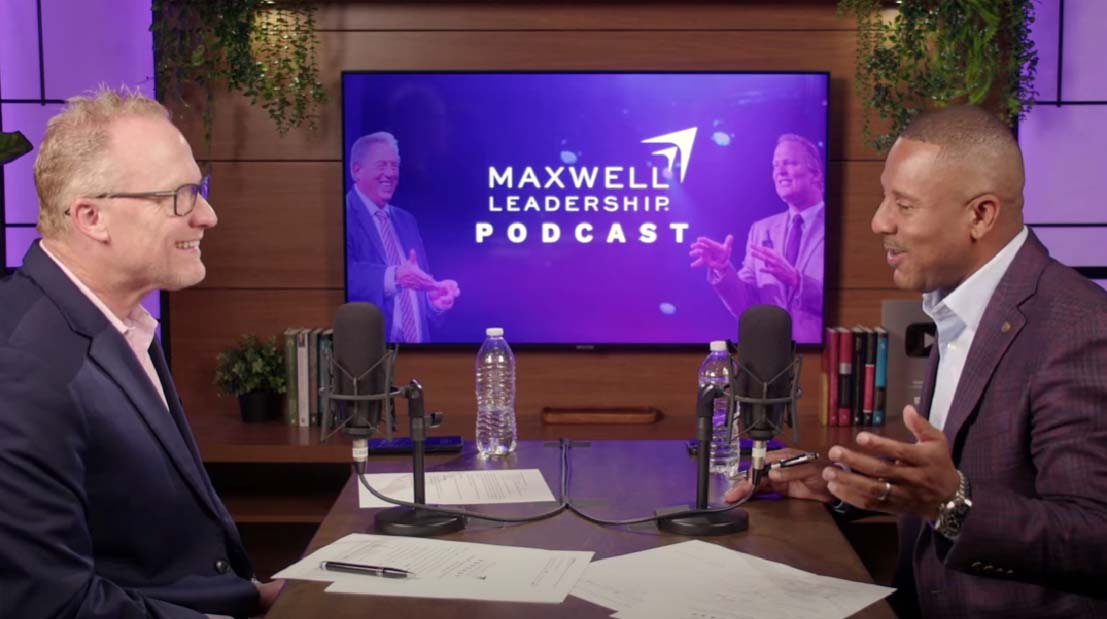
Every week, Maxwell Leadership’s staff of industry-leading growth and development professionals releases free leadership resources for the benefit of you and your team. Our Executive Leadership Podcast offers expert insights on today’s most pressing corporate leadership topics, while our Maxwell Leadership Podcast highlights transformational influence.