
Strong teams rarely lose momentum all at once. Early signs usually appear in the form of unclear expectations, inconsistent communication, or growing disconnect between people and the work in front of them.
Used well, team-building questions help leaders understand what their team needs before small issues grow into deeper problems. They bring clarity to what people are experiencing, where support is needed, and how the team can move forward with greater trust and alignment. When leaders ask better questions, they are in a better position to build a healthier team environment.
Question Categories That Reveal What Your Team Needs Most
Effective leaders know where to direct attention and what to ask. Some questions expose trust issues. Others reveal confusion, weak alignment, or gaps in support. Organizing those conversations into clear categories helps leaders assess team needs and respond with greater focus.
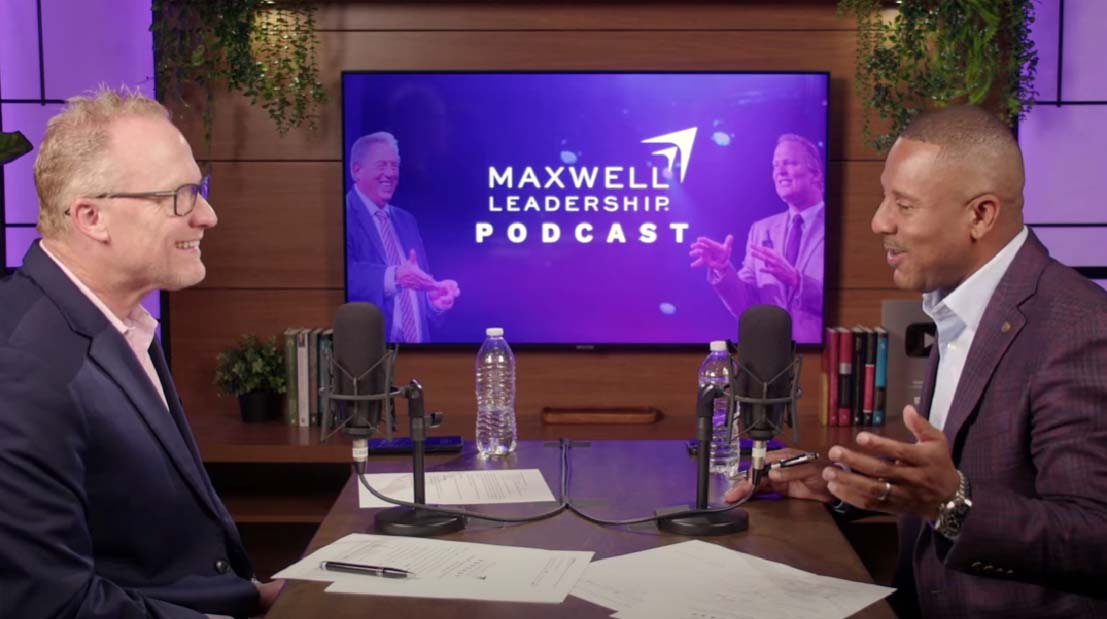
In the Maxwell Leadership Podcast episode “Building a Team Environment Part 1 and Part 2,” John Maxwell, Mark Cole, and Traci Morrow share practical insight for leaders who want to build healthier team environments, offering a useful framework for understanding the areas that most often shape how a team works, grows, and performs together.
Trust And Team Connection
Trust affects how people relate to one another when the work gets demanding. It often shows up in the small moments, in how teammates respond, communicate, and carry responsibility together. Maxwell captures that team dynamic well when he describes healthy teamwork through “tolerance of each other’s weaknesses, encouragement toward each other’s successes, acknowledgment that each of us has something to offer, and mindfulness that we need each other.”
These questions can help bring that part of the team culture into clearer view:
- Where does trust feel strongest on our team right now?
- When do people seem most comfortable speaking honestly?
- Where do you sense hesitation or silence?
- In what ways do people feel seen and valued here?
Roles, Priorities, And Expectations
Clarity helps people work with steadiness and confidence. When roles feel blurred or priorities compete, frustration grows, and follow-through tends to weaken. Leaders serve their teams well when they ask questions that reveal where direction may still feel unclear and where people need a stronger understanding of what success looks like.
A few focused questions here can quickly show where clarity needs to improve:
- What feels most clear about your role right now?
- What still feels less clear than it should?
- Where do priorities seem to compete with each other?
- What would help you understand success more clearly in this season?
Purpose And Meaning In The Work
People bring more energy to their work when they can connect it to a larger purpose. When that connection fades, effort can start to feel routine and disconnected from the mission. Questions in this area help leaders understand whether the team still sees the value of its work and whether individuals can see how their contribution fits into the bigger picture.
These prompts can help open that conversation in a meaningful way:
- What part of our work feels most meaningful to you right now?
- Where have we lost sight of the bigger picture?
- How does your work connect to the mission of the team?
- What helps you feel that your contribution matters here?
The People Your Team Serves
Healthy teams stay focused on the people they serve. That perspective keeps priorities clear and gives the team a more meaningful way to evaluate success. Maxwell expresses that idea well: “To add value to people, you have to know what they value.” Leaders who ask questions from that perspective help the team stay connected to the people their work is meant to impact.
Questions in this category may include
- What does success look like for the people we serve?
- Where are we creating the most value right now?
- Where might we be too focused on tasks instead of impact?
- What feedback from the people we serve should shape our next step?
Accountability And Follow-Through
Accountability helps a team build trust in its standards and confidence in its shared work. It becomes healthier when expectations are clear, ownership is consistent, and people understand what dependable follow-through looks like. Questions in this category help leaders see where accountability is working well and where the team may need stronger consistency.
The right questions can make that picture much easier to see:
- What standards do we need to reinforce more consistently?
- Where does follow-through tend to break down?
- How do we want to hold one another accountable as a team?
- What would make accountability feel clearer and fairer?
Barriers, Friction, And Roadblocks
Sometimes the issue slowing a team down is not effort. It is friction in communication, process, trust, or decision-making. Leaders create momentum when they pay attention to what is making good work harder than it should be. That is the thinking behind Maxwell’s line, “Leaders are really roadblock removers.” A leader who asks well in this area can often uncover what needs to change before frustration settles into the culture.
Questions like these help bring those obstacles into the open:
- What is making your work harder right now than it needs to be?
- Where are we experiencing the most friction as a team?
- What obstacle keeps showing up and slowing progress?
- What is one barrier we could remove that would make the biggest difference?
Growth, Initiative, And Contribution
Strong teams create room for initiative, growth, and meaningful contribution. Leaders shape that environment through trust, openness, and support. Questions in this category help reveal whether people feel empowered to step forward, share ideas, and contribute at a higher level.
- Where do you feel trusted to take initiative?
- What perspective does this team need to hear more often?
- When have you felt free to try, learn, and adjust?
- What would help you contribute more confidently?
Belonging, Care, And Team Culture
Team culture is reflected in how people feel day to day. Support, recognition, and care influence whether people feel valued and fully engaged. Traci Morrow puts it simply: “When I feel seen, known, and cared for, then I show up differently.” Questions in this area help leaders assess whether the team environment reflects that kind of care.
Questions in this category may include:
- How are you doing beyond the work itself?
- What has felt especially heavy lately?
- Where do you feel supported by this team?
- What would help you feel more seen and valued right now?
How To Ask Better Questions In A Team Setting
The way a leader asks a question often shapes the quality of the answer. People tend to respond with more honesty when a question feels thoughtful, specific, and relevant to what they are actually experiencing. The goal is to create a conversation that helps people speak with clarity and trust.
A stronger team conversation usually includes a few simple qualities:
- Room for honesty, so people can speak with openness instead of giving the safest possible answer
- Clear direction so the conversation leads to useful insight instead of staying too broad
- A sense of timing so the question fits what the team is facing in the moment
- An atmosphere of trust so that people feel respected when they answer
- A real response from the leader so the team can see their input matters
When those qualities are present, questions do more than gather information. They help leaders build trust, strengthen communication, and make team conversations more productive.
Read: How To Lead A Team: Good Teams Create Better Leaders
How To Move From Insight To Action As A Leader
Once a leader begins to hear honest answers, the next step is to respond with intention. Patterns usually begin to take shape, showing where the team may need clearer expectations, stronger support, fewer barriers, or more consistent direction. Insight becomes useful when it helps a leader identify what needs attention and decide what to clarify, address, and strengthen next.
A strong response often includes a few practical moves:
- Look for patterns across what people are saying instead of reacting to one comment in isolation
- Clarify what matters most so the team has a clearer sense of priorities and expectations
- Address what is slowing people down when friction or confusion keeps surfacing
- Follow up with consistency so people can see the conversation led somewhere meaningful
- Keep the dialogue going so trust and clarity continue to grow over time
The goal is not simply to gather better input. It is to help people and teams grow in a clear and steady direction.
Build A Stronger Team Environment With Maxwell Leadership
Leaders who ask thoughtful questions create teams with stronger trust, clearer expectations, and a healthier sense of shared responsibility. Over time, those conversations help people work with greater alignment and build the kind of culture where growth and accountability can take root together.
Maxwell Leadership helps leaders turn that kind of insight into practical leadership they can use with their teams right away. Through our Executive Leadership Coaching and leadership development solutions, leaders and organizations gain experiences that strengthen communication, sharpen leadership awareness, and foster a team environment where people can grow and perform at a higher level.
Subscribe to the Maxwell Leadership Podcast for practical leadership insight each week, and connect with our team to explore development experiences that help leaders build stronger teams and a healthier culture.