
Change is a constant in leadership, and leading others is a significant responsibility. Having to lead others through change? That’s a whole other level that requires intentionality, humility, and trust. In order to do it well, effective leaders don’t go it alone… they empower other leaders to join them on the journey.
So how can we develop other leaders while experiencing change? I think there are three ways to do it.
1. EMPOWER OTHERS TO THINK LIKE OWNERS.
Leading in change isn’t just about making decisions; it’s about creating a culture where others feel empowered to make decisions too. As a senior leader, you can’t (and shouldn’t!) be in every room or conversation. Sustainable change comes when you develop leaders who can think strategically, make tough calls, and feel responsible for outcomes.
When you involve others in the process, asking, “What would you do here?” or “How might you lead this?”, you communicate that their input matters. That kind of trust builds confidence and ownership. Our CEO, Mark Cole, regularly says, “It’s your business—what do you think we should do?” That type of delegation isn’t just empowering; it’s essential for scalable leadership.
2. ENCOURAGE DIVERSE VOICES IN THE ROOM.
The loudest voice shouldn’t always win. In fact, your job as a leader is to soften dominant voices and draw out the quiet ones. Every person on your team is there for a reason, and if you’re not hearing from everyone, you’re missing out on critical insight.
Sometimes that dominant voice might even be yours. Practice the art of facilitation, asking open-ended questions and directly inviting feedback from quieter members.
And allow ideas to be challenged. Great leaders aren’t afraid to say, “Blow up this idea… what’s wrong with it?” That kind of transparency invites trust and sparks creative solutions. It also prevents groupthink and ensures the best ideas, not just the loudest, win the day.
3. ESTABLISH LEADER DEVELOPMENT NOW.
If you wait for the “perfect time” to develop leaders, it’ll never come. The truth is that leading through change is the development opportunity. Invite your future leaders into real-time situations. Form a “change team” around a new initiative and let them lead parts of the process. You’ll not only expose them to challenges, but you’ll also build their confidence and capability.
Intentionality is key here. Think about the people on your team who have leadership potential. How can you bring them into the process earlier? How can you let them wrestle with the complexity of change and come out stronger? The answer often lies in simply making space for them to speak, to think, and to grow.
4. PROVIDE REGULAR FEEDBACK AND RECOGNITION.
In times of change, it’s easy for leaders to feel overwhelmed and uncertain. Providing consistent feedback—both positive and constructive—helps to reinforce the progress your team is making. It ensures that team members understand their role in the bigger picture and gives them the confidence to continue pushing forward.
Additionally, recognizing effort and accomplishments along the way fosters a sense of value and appreciation. This type of recognition doesn’t just improve morale but strengthens the culture of trust within your team. It’s a crucial element of empowering leaders and driving the success of change initiatives.
5. BUILD A CULTURE OF LEARNING AND GROWTH.
Change requires constant adaptation, and an environment that encourages ongoing learning is crucial for leadership development. Leaders should prioritize self-improvement and invest in their own professional development, but also encourage their teams to do the same. Offer access to leadership training, mentorship, and peer learning opportunities to help future leaders grow.
A culture of learning encourages leaders to view challenges as opportunities for growth. It ensures that leadership is not just about managing crises, but about equipping the next generation of leaders to take the reins when needed.
You can’t lead change alone, and you shouldn’t! Leadership at its best is shared. Take time to identify, empower, and develop those around you so they can lead with you and not just follow behind you. When leaders lead well, everyone grows and so does your capacity for meaningful, lasting change.
What would you add to the conversation?
Looking for more corporate leadership insights to influence your leadership strategy?
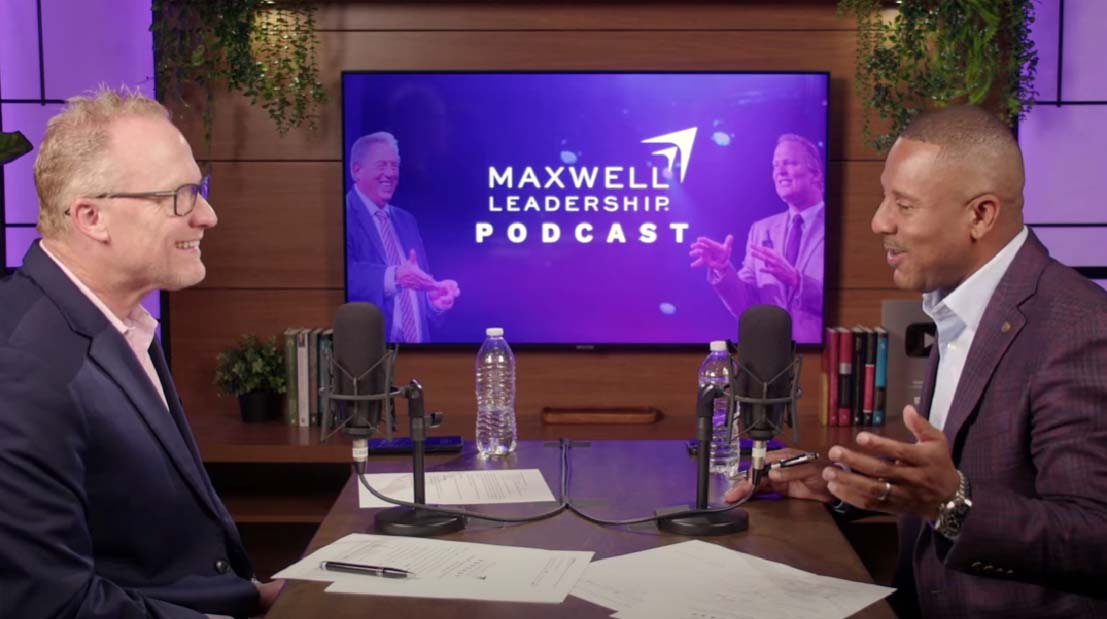
Every week, Maxwell Leadership’s staff of industry-leading growth and development professionals releases free leadership resources for the benefit of you and your team. Our Executive Leadership podcast offers expert insights on today’s most pressing corporate leadership topics, while our Maxwell Leadership podcast highlights transformational influence.