
Developing future leaders means preparing the people on your team to carry leadership before the organization needs them to. Most teams have someone with the potential, and most of the time nothing is done with it until a role opens up and the scramble begins. The work of developing that person starts long before the promotion, in how you spot them, what you model for them, and how much room you give them to lead while they are still learning.
Why developing future leaders is worth your time
A leader who only leads followers grows the team by addition, one task and one decision at a time, all of it flowing through one person. A leader who develops other leaders grows the team by multiplication, because every person they develop starts developing others. John C. Maxwell has taught for decades that developing leaders is the fastest way to grow a team or a business: decisions stop bottlenecking at the top, the team keeps running when you are out, and when a role opens up, the successor is already on the bench.
How to spot the future leaders on your team
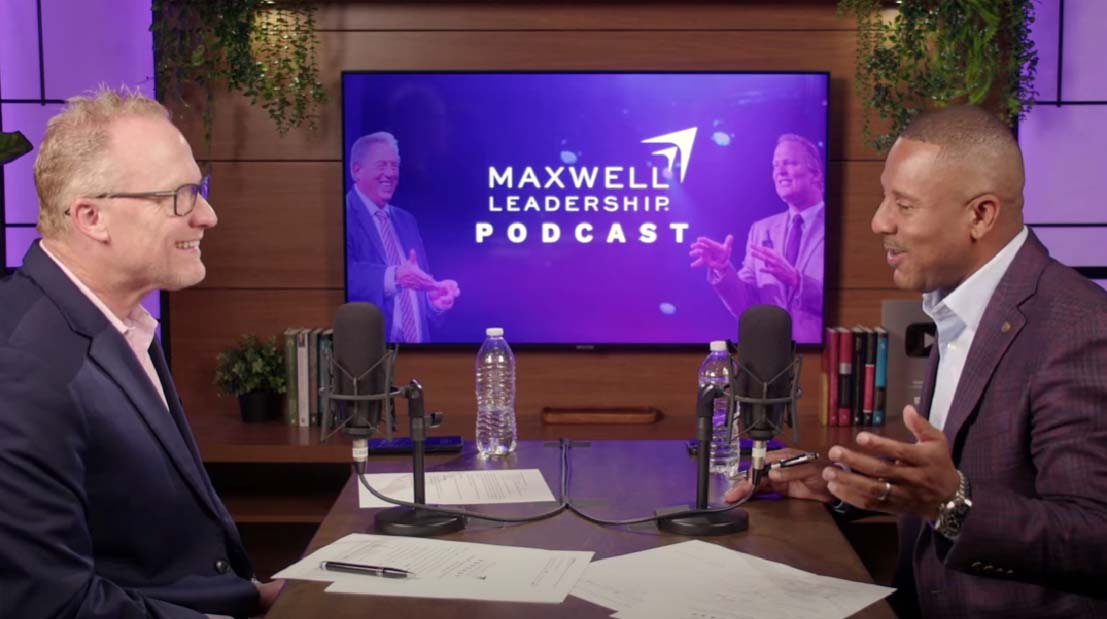
Potential rarely announces itself with a title, and the person who ends up leading is often not the loudest voice in the room. In the Maxwell Leadership Podcast episode How to Develop Leaders, Mark Cole, CEO of Maxwell Leadership, and co-host Chris Goede build on Maxwell’s lesson with the markers Cole looks for:
- They are hungry to learn. Teachability shows up before talent does.
- They want to grow. Not just perform in the current role, but become more.
- They value relationships. Someone who works only for themselves can produce, but they cannot lead a team.
- They serve. A servant’s heart points leadership at other people instead of at the title.
- They get things done. When someone without any leadership position keeps producing results, it is worth asking why they have never been given the chance to lead.
You will only spot the markers if you expect to find them. As Cole puts it:
“You got to believe there’s leadership potential in every person. You got to start with a foundation of belief.”
If you wait for proof before you invest, the first disappointment will disqualify someone who never got your belief in the first place.
Model the leadership you want to see
Your future leaders are learning from you right now, whether you are teaching or not. How you run meetings, handle mistakes, share credit, and treat people under pressure teaches more than anything you say. As Maxwell puts it:
“People do what people see, not what people hear.”
It works the other way too: you cannot pass on what you do not practice, so if you want to grow others, keep growing yourself. Maxwell calls it the Law of Respect: people naturally follow leaders stronger than themselves, so the level you are leading at decides the level of leader you attract and keep. Share what you are learning with the team, whether it is a book, a lesson from a hard week, or a decision you would make differently. Something as small as opening your team meetings with whatever you are studying at the moment works, because the people in the room pick up the habit along with the lesson.
Give future leaders room to lead before the title
Development happens in live situations, not in theory. Hand a future leader a project with the decisions attached, let them run the meeting you usually run, or put them in front of a problem one size bigger than anything they have solved. Some of it will go wrong, and how you respond is part of the development. If you treat the mistake as coaching, they learn to lead through failure; if you take the work back, they learn it is not safe to lead here.
Cole watches for three things when he is developing someone for bigger responsibility: perspective, whether they can get above the details and see the bigger picture; people skills, whether they have enough relationship in the tank to take people on the journey; and production, whether results still come when the work runs through others. Watch for the same three while your future leader runs the project, and you will know exactly what to develop next. By the time the title arrives, leading should already feel familiar.
Put structure around their growth
Belief, modeling, and stretch assignments will carry development a long way, but they depend on you remembering to do them. Keep it simple: name the people you are developing, meet with them regularly, and keep a running note of what to discuss and hand over next. Leadership training programs add what a single manager cannot, giving emerging leaders frameworks, peers on the same journey, and a track that outlasts any one reporting line. Read: Develop Young Leaders
Develop your team’s future leaders with Maxwell Leadership
A team that develops its own leaders stops depending on outside hires to fill its most important roles. Maxwell Leadership builds its training programs on Maxwell’s conviction that it takes a leader to grow a leader, and has delivered them inside some of the world’s largest organizations. Connect with our team to build a development track for your emerging leaders, and subscribe to the Maxwell Leadership Podcast for free weekly insights along the way.
FAQ
How do you identify future leaders on your team?
Look for teachability, a desire to grow, strong relationships, a willingness to serve, and a track record of getting things done. Production without a title is one of the clearest signals, since it shows influence working before any authority backs it.
What is the best way to develop future leaders?
Combine belief, modeling, and live practice. Tell the person you see leadership in them, let them watch you lead well, and hand over work with the decisions attached. Structured training adds frameworks and peers, and regular one-on-ones keep the development intentional.
How long does it take to develop a future leader?
Leadership develops daily, not in a day. Most emerging leaders need a year or more of stretch assignments and coaching before they are ready to carry a formal role, which is why development should start well before a vacancy does.
Why is developing future leaders important?
Teams that develop leaders promote from within, keep their best people longer, and grow faster, because leading through other leaders multiplies what one person can do alone. Teams that skip it depend on lucky external hires for their most important roles.