
Strong leadership includes the courage to address what needs attention. Many leaders want their teams to grow, but delay the conversations that would bring greater clarity and strengthen accountability. Over time, that silence can leave people unsure of what is expected and unsure of how to improve.
Learning how to give feedback to employees helps leaders create clarity, strengthen trust, and reinforce healthy standards across the team. When feedback is handled well, it supports individual growth and gives accountability a clearer, steadier place in the team’s culture.
Why Giving Feedback To Employees Strengthens Trust And Accountability
People do better work when they have a clear direction. Feedback helps employees understand what is working, where they need to improve, and what strong performance looks like in their role.
Good feedback strengthens a team in three important ways:
- It builds trust by showing employees their leader is paying attention and willing to address performance with honesty and care.
- It supports accountability through clearer expectations, more visible progress, and stronger follow-through.
- It creates alignment so people spend less time guessing where they stand and more time focusing on what matters most.
Delayed feedback weakens clarity. Employees become less certain about expectations, and small issues can turn into larger patterns. Timely feedback keeps performance standards clear and helps teams stay on track.
How To Give Feedback To Employees As a Leader
Good feedback gives leaders a way to address performance with clarity and purpose. When handled well, it helps employees understand the next step and keeps accountability moving in the right direction.
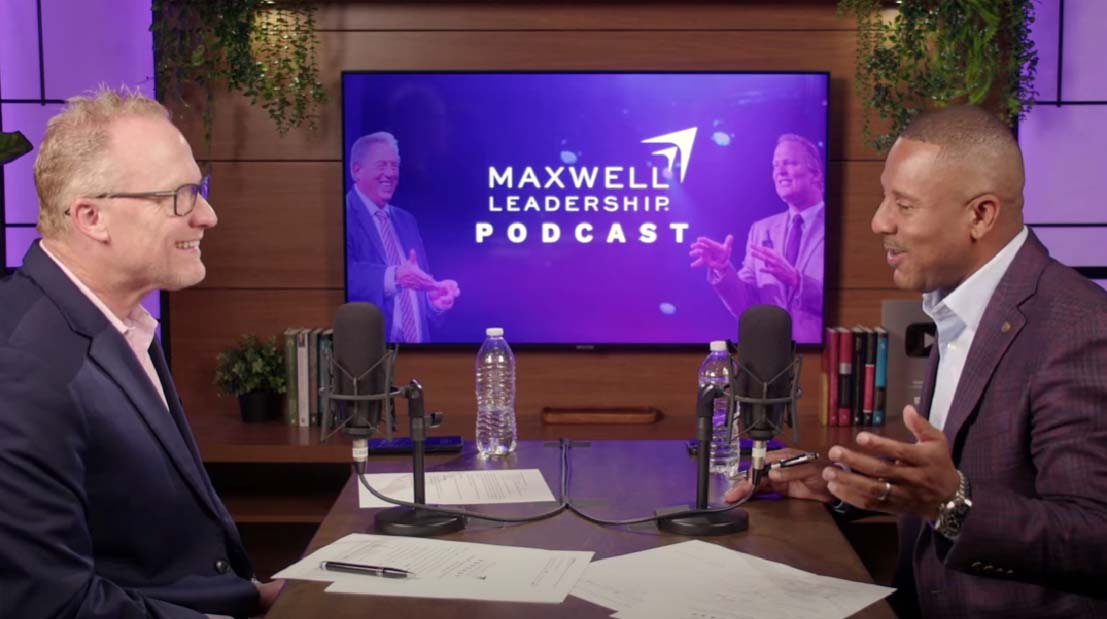
In the Maxwell Leadership Podcast episode “Firm Feedback with Jeff Hancher,” Perry Holley, Chris Goede, and Jeff Hancher share practical insight for leaders who want to handle feedback with greater accuracy and consistency, offering a simple approach for turning feedback into stronger performance and healthier accountability across a team.
1. Set Clear Expectations Before You Correct Performance
Feedback is easier to receive when the standard was clear from the start. People need to understand what is expected, why it matters, and how success will be measured before a leader steps into correction.
When goals, timelines, and outcomes are discussed early, accountability feels more grounded. The conversation becomes more productive because both the leader and the worker can return to a shared understanding of the work rather than debating what should have happened.
2. Build Trust Before You Ask Someone To Improve
Feedback is more effective when it comes from a leader who has already earned trust. Consistency, follow-through, and regular conversations create the credibility that makes coaching easier to receive. As Jeff Hancher says, “Earning the right is spelled T-I-M-E,” and that idea captures why trust cannot be rushed when a hard conversation is needed.
When leaders stay engaged before problems surface, feedback feels more credible and more constructive. One-on-ones, visible support, and steady attention to growth create a relational foundation that makes improvement easier to pursue.
3. Link Performance Feedback To Personal Motivation
Feedback becomes more meaningful when it connects to what matters to the team member. People respond with greater openness when they can see how a change in performance supports their growth, credibility, and future opportunities.
A thoughtful leader takes time to understand what success means to each person and brings that understanding into the conversation.
4. Lead The Conversation With Service, Not Control
A strong feedback conversation is guided by care, respect, and a desire to help someone improve. Jeff Hancher puts the leader’s posture in the right place when he says, “We’re not here to be right. We’re here to serve.” That mindset helps a leader stay focused on what will move the person forward instead of turning the moment into a release of frustration.
The conversation should stay centered on observable behavior, clear expectations, and the next step ahead. When leaders speak with calm honesty and real respect, employees are more likely to stay engaged with the correction and respond with greater ownership.
5. Address The Issue Early Instead Of Letting It Drift
Many leaders delay feedback because they are concerned about tension, emotion, or misunderstanding. That hesitation is common, though waiting usually gives the issue more time to grow and makes the conversation harder than it needed to be.
Jeff Hancher challenges that instinct with a question worth carrying into leadership, “The antidote to thinking about if I give tough feedback, there could be fallout, is this one mindset shift. What if you don’t?” Addressing a problem early helps keep small issues from becoming established patterns and keeps the conversation clearer, calmer, and more useful.
6. Create Space For Reflection And Response
Feedback works better when employees have room to reflect and respond. A leader still guides the conversation, though the employee should have the chance to share perspective, ask questions, and take part in the next step. This way, defensiveness reduces and ownership increases. It also turns feedback into a more useful conversation about progress, support, and what needs to happen next.
7. Set Next Steps So Feedback Leads To Change
A good conversation creates clarity, though change becomes stronger when there is clear follow-through. Leaders should define the next step, agree on a timeline, and return to the conversation to review progress.
Employees grow more effectively when improvement is revisited with care, clarity, and a clear sense of what progress should look like next.
Read: You Want Feedback… NOW?
Turn Better Feedback Into Stronger Leadership With Maxwell Leadership
Strong feedback helps leaders create clarity, reinforce expectations, and strengthen accountability in ways that support real growth. When leaders set clear standards, build trust, and follow through consistently, feedback becomes a steady part of healthy team leadership.
Maxwell Leadership helps leaders turn growth into practical leadership they can apply with their teams every day. Through our Executive Leadership Coaching and leadership development experiences, leaders and organizations receive guidance that strengthens communication, deepens self-awareness, and supports a culture where accountability, trust, and growth can take root through service-minded leadership.
Subscribe to the Maxwell Leadership Podcast for practical leadership insight each week, and connect with our team to explore development experiences that help leaders strengthen accountability and build healthier teams.