
Most managers already know how to run the work. The harder half of the job is leading the people doing it, and that side calls for a different set of skills than the ones that earned the promotion. Leadership skills for managers are the people side of the role: coaching someone through a problem instead of solving it for them, communicating where the team is headed, building the kind of trust that makes people want to follow. Skills like these are learned the same way any skill is learned, through practice, and the five below are where to start.
Where management skills end and leadership skills begin
Management skills organize work through planning, scheduling, budgeting, and quality control, while leadership skills move people through trust, vision, and development. The boundary between the two is influence. A manager can run a flawless operation on the authority of the title alone, but no one volunteers extra effort, honest feedback, or loyalty because a title asked for it. Influence gets earned person by person, through how a manager coaches, communicates, and develops the team, and the org chart never hands it over with the promotion. The five skills below are what earn it.
Five leadership skills that separate the best managers
The difference between an average manager and one people would follow without the title comes down to five observable skills. Each has a management mindset that blocks it and a leadership mindset that opens it.
They coach instead of correct
Correcting fixes the task in front of you, while coaching builds the capability that prevents the next one. The mindset that blocks it is speed, since telling someone the answer takes two minutes and walking them to it takes twenty. The best managers spend the twenty, because a team member who found the answer once can find it again, and the manager stops being the bottleneck for every decision the team makes.
They build people, not just process
Process produces consistency, and consistency is worth protecting. The trap is treating people as inputs to the process rather than the point of it. The best managers audit their calendars the way they audit their budgets. If no hours in the week are committed to developing a specific person, no development is happening.
They communicate vision, not just direction
Direction tells the team what to do this week, and vision tells them why the work matters and where it leads. Teams run on direction alone will execute, but they will not volunteer ideas, flag risks early, or stay when a recruiter calls. A manager who can connect this quarter’s targets to a picture people care about gets discretionary effort no process can extract.
They own outcomes without owning every task
Accountability for results is non-negotiable, and the pull toward control is where it goes wrong: the manager reviews everything, approves everything, and quietly redoes half of it. Handing over both the task and the authority to make decisions about it feels risky to an insecure manager and obvious to a secure one.
They develop future leaders on the team
Average managers build teams that depend on them. The best build teams that could replace them, spotting potential early, handing over stretch assignments, and treating a team member’s promotion as a win rather than a loss. Succession is the one skill on the list that pays the organization more than it pays the manager.
The trust that makes every leadership skill work
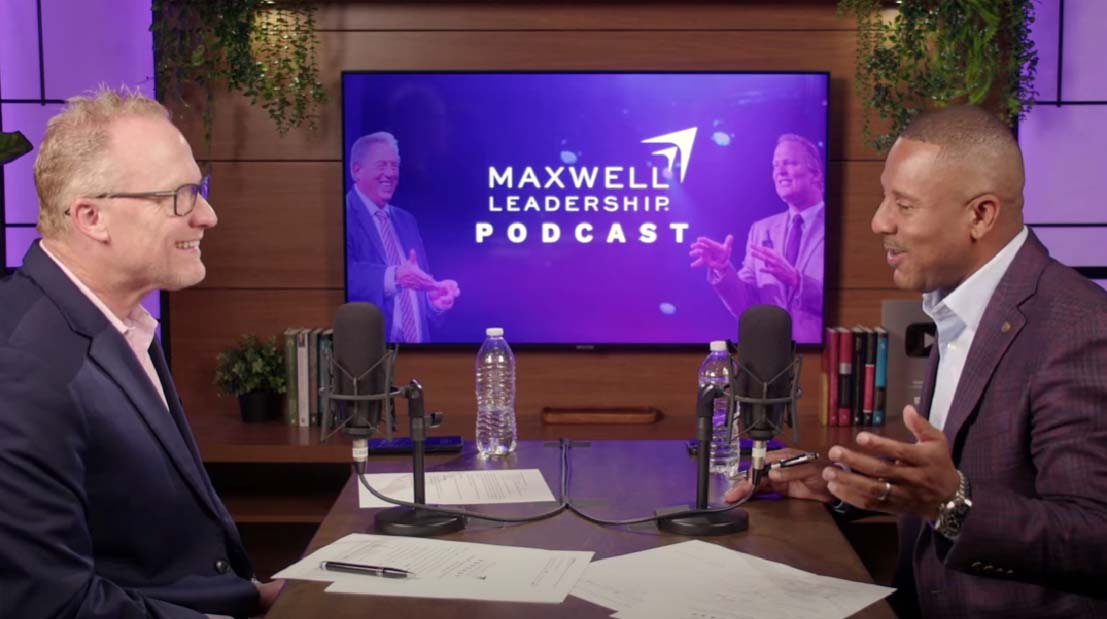
Every skill on the list depends on trust, and trust is built on who the manager is before it is built on what the manager does. In the Maxwell Leadership Podcast episode The Foundation of a Leader, Mark Cole, CEO of Maxwell Leadership, and co-host Tracy Morrow dig into where trust comes from, drawing on Maxwell’s book The 21 Indispensable Qualities of a Leader:
“Before you work on the outside of your leadership, work on the inside of your leadership.”
Trust starts with consistency. Your team is watching for whether you show up as the same person from one day to the next, and whether you follow through on what you said you would do. The more those two line up, the easier you are to follow, and over time consistency becomes the reason good people stay. As Cole puts it:
“People don’t quit their jobs, they quit their leaders.”
Trust also grows through commitment and generosity. When you stay with the skills through the seasons when they have not paid off yet, your team learns they can count on you. When you give time, credit, and opportunity without expecting anything back, they learn your leadership is for their benefit. The full episode goes deeper on all three qualities.
How managers build leadership skills deliberately
Leadership skills grow through the same three inputs as any other skill: structured learning, live practice, and honest feedback on the gap between the two. Structured leadership training for managers covers the learning, and it works best when a whole management tier goes through it together, because everyone comes out speaking the same language. Practice happens in the work you already have. Every one-on-one, every handoff, and every mistake on the team is a chance to use one of the five skills on purpose. Feedback can come from a mentor, a peer, or your own team.
The shift underneath all of it is moving from positional authority to influence, from getting things done because the title says so to getting them done because the team is with you. Read: Leap From Boss to Leader
Develop managers who lead with Maxwell Leadership
Managers become the leaders their people deserve when someone invests in them the way they are being asked to invest in others. Maxwell Leadership builds its manager training on the conviction that leadership is influence and that everyone can learn it, drawing on frameworks proven inside some of the world’s largest organizations. Connect with our team to bring your management tier into a program built for the transition, and subscribe to the Maxwell Leadership Podcast for free weekly insights between sessions.
FAQ
What are the most important leadership skills for managers?
Five stand out in practice: coaching rather than correcting, building people alongside process, communicating vision as well as direction, delegating with genuine authority while owning outcomes, and developing future leaders on the team. All five depend on the trust a manager builds through consistency, commitment, and generosity.
What is the difference between management skills and leadership skills?
Management skills keep work organized through planning, process, and control. Leadership skills move people through trust, vision, and development. Strong organizations need both in the same person, but the two develop through different practices.
Can leadership skills be learned, or are leaders born?
Leadership is learnable. Some people start with natural gifts, but influence grows through deliberate practice, feedback, and development, which is the premise behind every Maxwell Leadership program.
Why do good managers struggle to become good leaders?
Promotion rewards production and process, so new managers keep doing more of what got them promoted. Leadership requires a different muscle, influence, and overdeveloping the management muscle crowds out the time and risk tolerance that building influence requires.