
Strong leaders often feel pressure to have the answer fast, especially when conversations carry tension, uncertainty, or competing opinions. In those moments, it can be tempting to explain more, clarify more, or move the discussion along. The problem is that speed can sound like certainty, and certainty can silence a team.
The importance of asking questions becomes clearest when leaders want conversations that stay steady under pressure. A good question slows the room down in a productive way. It signals, “Your perspective matters,” and it gives leaders the information they need to lead with clarity instead of assumptions. Over time, a question-centered leadership style shapes how teams speak up, solve problems, and stay connected through differences.
Asking Questions Builds Trust, Psychological Safety, and Honest Dialogue
Trust grows when people experience a leader who invites input consistently, not only when something is wrong. When questions are part of everyday leadership, team members learn that honesty leads to conversation rather than consequence. That is the foundation of psychological safety, because it turns risk into relationship.
Questions also improve the quality of thinking inside the room. Instead of staying at surface-level updates, leaders can ask what information is missing, where assumptions are driving the decision, or what tradeoffs the team is avoiding. Those prompts create a healthier kind of accountability, because they pull reality into the open without turning the conversation into a courtroom. Over time, honest dialogue becomes normal, and trust becomes practical.
How Leaders Use Questions to Strengthen Team Unity and Communication
Once trust is established, questions begin shaping something deeper. They shape unity, communication habits, and how people treat each other when pressure rises. Leaders who ask intentional questions help the team build shared understanding instead of relying on assumed agreement.
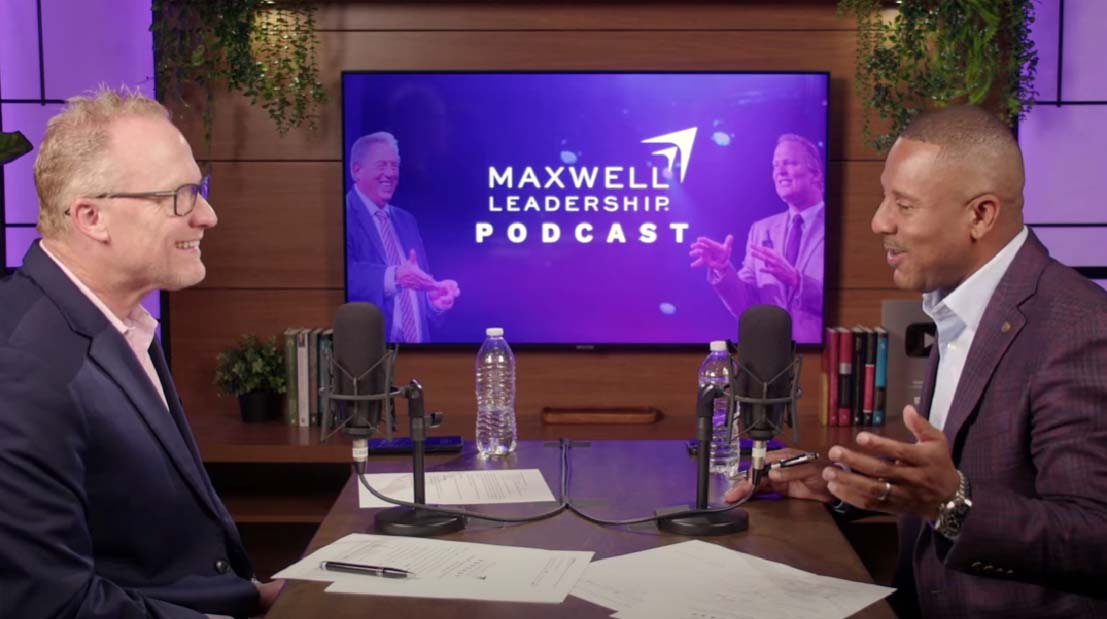
In the Maxwell Leadership Podcast episode “How Do Leaders Drive Team Unity,” Perry Holley and Chris Goede explore how leaders use questions to clarify expectations, strengthen relationships, and guide healthier team dynamics. The practical takeaway is simple: unity does not happen by accident. Leaders shape it through the conversations they choose to have, and the questions they choose to ask.
Clarify What Team Unity Looks Like in Practice
Teams often say they want unity, but they do not always share a definition of what that means day to day. A leader can bring clarity by asking, “What does unity look like on this team when we disagree?” or “What does support sound like when someone makes a mistake?” Those questions surface expectations before tension forces them into the open.
When unity is defined clearly, communication becomes easier to interpret. People know the standard, they know what healthy alignment looks like, and they can name drift early without turning it into a personal critique.
Build Connection and Vulnerability Without Losing Leadership Strength
Teams communicate more honestly when people feel known beyond their role. Questions about strengths, growth edges, or even work preferences invite a kind of openness that lowers defensiveness. This does not require leaders to overshare or turn meetings into therapy. It simply requires leaders to be human enough to make room for the humanity of others.
When leaders ask, “What support helps you do your best work right now?” they are not being soft. They are being precise. They are gathering the relational context that helps people stay engaged when the work gets demanding.
Turn Complaints Into Ownership and Direct Communication
Frustration has a way of leaking into side conversations when people are unsure how to address it directly. Leaders can change that pattern without shutting anyone down by responding with a question like, “Have you spoken to them about this yet?” or “What outcome are you hoping for, and what step can you take this week?”
That approach does two things at once. It honors the concern, and it moves the team toward responsibility. Over time, questions like these reduce gossip, strengthen peer-to-peer communication, and build a culture where problems are handled in the open.
Lead Hard Conversations With Clarity and Respect
Every team needs conversations that address missed expectations, misalignment, or behavior that affects others. Leaders keep these moments constructive by pairing clarity with curiosity. They can name the behavior and impact, then invite perspective: “Here’s what I’m seeing and how it’s landing. Help me understand what you intended.”
This protects dignity without avoiding the issue. It also reduces defensiveness because the leader is not only delivering a verdict. They are opening a path to understanding, alignment, and change.
Co-Create Team Standards That Make Accountability Easier
Unity becomes durable when teams help define how they work together. Instead of setting standards alone, leaders can ask questions that invite shared ownership: “What do we want communication to look like when deadlines get tight?” or “How do we want to handle disagreement in meetings?”
When expectations are co-created, accountability stops feeling like enforcement and starts feeling like leadership. People are more willing to uphold what they helped build, and leaders spend less time policing behavior and more time reinforcing standards.
Surface Problems Early and Keep Relationships Intact During Disagreement
Many teams protect harmony until small issues become expensive ones. Leaders prevent that drift by asking questions that make truth easier to share early, while stakes are still manageable. The well-known Ford turnaround story captures this principle: when Alan Mulally challenged why everything sounded positive while results were slipping, it signaled that honesty was welcome, and that visibility mattered more than saving face.
That same principle applies in everyday leadership. When differences in perspective create a gap between intent and impact, leaders can keep relationships intact by naming what they are experiencing while leaving room for the other person’s reality: “My perception is this. That might not be your intent. Can we talk it through?” Questions like that protect connection while still dealing with what is real.
Read: Team Empowerment Activities That Inspire Collaboration & Growth
Build Stronger Conversations with Maxwell Leadership
Leaders who ask better questions create teams that communicate with clarity, make stronger decisions, and stay connected when perspectives differ. Over time, those conversations shape trust, strengthen unity, and give teams a steadier way to work through tension without losing momentum.
Maxwell Leadership supports leaders who want to grow more effectively in the conversations that shape people and culture. Through our Leadership Communication Training, leaders receive practical guidance that strengthens clarity, listening, and confident leadership presence in moments that matter.
Subscribe to the Maxwell Leadership Podcast for weekly leadership insight, and connect with our team to discover training experiences that strengthen trust, alignment, and communication across your organization.