75% of managers report that Gen Z is the toughest generation to lead, and 30% have fired a Gen Z employee within a month of hiring them. Can you relate? Gen Z is in the workforce and they’re here to stay – so tune in to today’s bonus episode of the Maxwell Leadership Podcast to learn how to lead them most effectively!
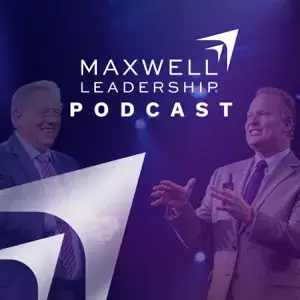
Join John Maxwell, Mark Cole, and Tim Elmore for a deep dive into Tim’s newest book, The Future Begins with Z, and a powerful discussion poised to help you get the most out of your youngest team members and turn one of today’s greatest leadership challenges into your organization’s competitive advantage.
Take the next step in your growth journey and become a Maxwell Leadership Certified Team Member. Click here to speak with a Program Advisor today!
Mark Cole:
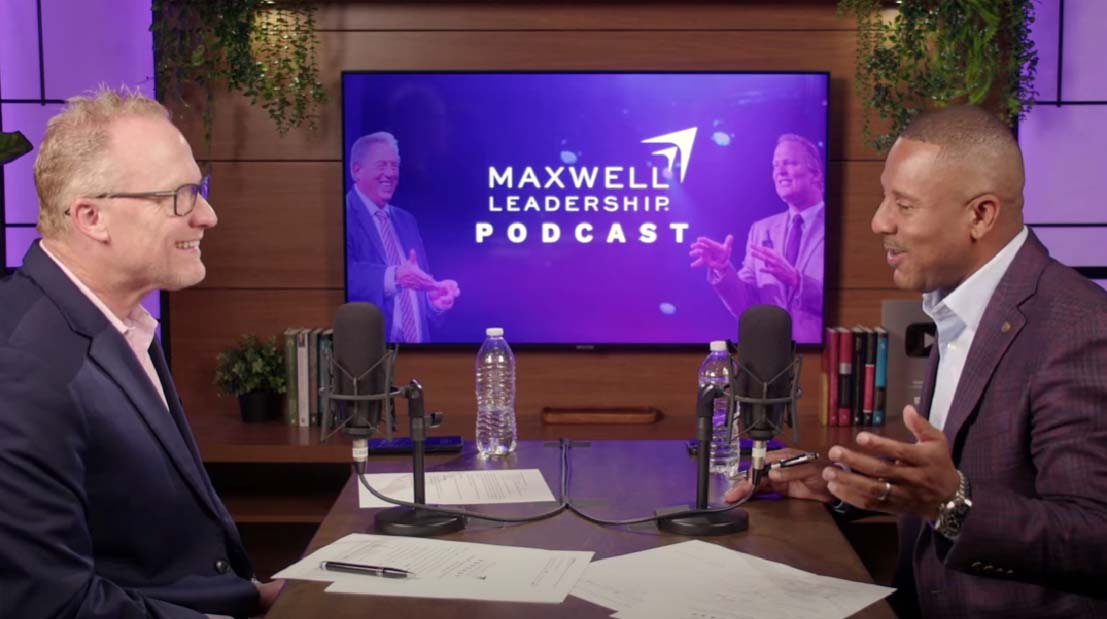
Hey, welcome to the Maxwell Leadership Podcast. Our podcast is committed to you. We want to add value to you with the expectation you will multiply that value to those that look to your influence today. I’m super excited. In fact, guys, I’m just going to tell you, pan out, give the other camera angle because in studio with me today. Guys, drum roll. John Maxwell, the founder of Maxwell Podcast, in studio. And why? Because I’m here? No, because I’m here a lot.
Mark Cole:
He’s here because our other guest, not really a guest, is Tim Elmore. And many of you on the Maxwell Leadership Podcast. You know Tim Elmore as the author of A New Kind of Diversity, a book that’s just come out in the last year. It’s killing it. In today’s workforce. There are over five generations now working in the same environment for the first time in history of mankind. This book is a must read. Pick it up.
Mark Cole:
A New Kind of Diversity. But that’s so last year, Tim.
Tim Elmore:
Yes, it is.
Mark Cole:
That’s so last year. We have a new generation to talk about.
Tim Elmore:
Yes, we do.
Mark Cole:
And today we’re going to be talking about the future Begins with Z. This book comes out next Tuesday. It’s not even out yet. But podcast family, you get a chance to get it today. In fact, if you go to MaxwellPodcast.com/GenZ. That’s a mouthful.
Tim Elmore:
Yes, it is.
Mark Cole:
MaxwellPodcast.com/GenZ. We’ll put that in the show notes. You’ll be able to pick up the book. You can go wherever you buy books and we’ll do it. But John, Tim, you guys have been working together for over 60 years.
Tim Elmore:
I think not 60 years.
Mark Cole:
Oh, 70.
John Maxwell:
Maybe 80.
Mark Cole:
I don’t know. This has been a long time. Yes, you guys have been working together seriously for 40 plus years on impacting the next generation. So John, you saw Tim when he was the next generation and brought him on. So talk a little bit about Tim and coming along and helping you.
John Maxwell:
Oh my gosh. Well, when Tim came on to help me, the good news is he had great creativity and great enthusiasm and that’s all. Just trust me. Everything else I had to kind of channel.
Tim Elmore:
Yeah, you did fine and work. That’s right.
John Maxwell:
But what I love about Tim is he’s such a great learner and you just share with him what he needs to do and he did it. And Tim had a great heart for young people. And of course you had the college department.
Tim Elmore:
Yeah, that’s what you asked me to do.
John Maxwell:
And he built it to hundreds and hundreds of kids and Many of them went into full time ministry and it was a very effective ministry at all. But Tim, you’ve always loved, you’ve always loved the kids.
Tim Elmore:
Yeah.
John Maxwell:
And you’ve always had a heart for them. And when I read your books, I mean, it’s kind of obvious. Your calling and leaning right now is to help people, people of my generation and even of his generation, understand them. Because you and I have had this conversation before. I’ve said, explain it to me. Help me understand these kids. I know that they’re good kids, but we don’t sometimes know how to really utilize them and help them reach their potential. So I’m very excited about the podcast today.
Tim Elmore:
Thank you. Me too.
Mark Cole:
And so you started out, wasn’t it one of your first jobs coming out of college was working alongside John Maxwell?
Tim Elmore:
Yeah.
Mark Cole:
Right after graduation with the next generation. It wasn’t Generation Z like we’re talking about today, but it was the next generation.
Tim Elmore:
In fact, way back then, it was the late baby boomers, which is our generation, and they were still coming through and they were a little different than the older folks. In fact, the term generation gap was coined when the boomers were growing up in the 60s and they had kids today. What’s going on? But then we saw the Xers come through in the late 80s and then the millennials come through after the turn of the century. And now it’s Gen Z, the new employee that so many supervisors, no, we’re full of potential, but they go, I just don’t get them. And so I don’t know if you know this, but ResumeBuilder.com did a survey nationwide. They said three out of four managers say Gen Z is the toughest generation to manage. And 30% say I fire them within the first month.
John Maxwell:
Oh, my goodness.
Tim Elmore:
And I’m thinking, that’s not a way forward. Even if I understand why you did that’s not a way forward. So we’ve got to figure out how to, how to lead them.
Mark Cole:
So we’ve written a book. John gave you your first opportunity to do, to work with the next generation. So has John got royalties on this book?
Tim Elmore:
Well, I’ll give him whatever he wants.
John Maxwell:
Trust me, there are no royal side of this book. The one is the only thing I’ve been mentoring him all these years. The only thing I’ve not been able to do is to get Tim to quit being so tight.
Tim Elmore:
Oh, gosh.
John Maxwell:
Dear God. I mean, the man is. He just squeezes that dollar I’ve ever seen.
Mark Cole:
That’s so funny. So Tim John, both of you get asked this question a lot. And so everyone’s trying to figure out Generation Z. They’re trying to go, okay, what do we do in this book? Absolutely. I’ve got my copy right here. It already gives us insight into Gen Z. But what does a reader, a leader, expect to get from this book?
Tim Elmore:
Okay, well, what I did was I did a lot of data collection, and I found out there were nine specific areas that managers said, I’m struggling, struggling with interviewing them because they’re asking for a lot. And you go, you’ve not been working 20 years, Josh. So onboarding, interviewing, how to inspire them, how to motivate, how to retain them. A lot of times they leave within a year and a half or two years. So I took the nine biggest strategies or nine biggest areas, and I offer a strategy. But what I try to do in this book is I try to be not a translator, but an interpreter. You know, when we, when we go overseas. You know the difference, don’t you?
John Maxwell:
Oh, sure.
Tim Elmore:
Translator gives you word for word in their tongue, out there in the audience. An interpreter goes, I heard what you just said. I know what you meant. And what they’re going to need to hear is this. I try to be an interpreter for them to really get Gen Z. So do you mind if I tell a quick story that illustrates this? I have fallen in love with Gen Z. My focus groups, I did quantitative data. I surveyed 2014, and then I did focus groups from California to Georgia.
Tim Elmore:
Colin Webb is such a great example of what’s happening today. So Colin graduated from right here in Gwinnett county, and he was smart kid. He got an invitation to go to mit. So I did not get an invitation.
Mark Cole:
To go to mit.
Tim Elmore:
He graduates with honors, so he has a number of job offers. When he gets done, he decides to move to Detroit to work for one of the big three, General Motors. So he goes to work in the smart car division because he’s a smart kid. But immediately this young man goes, oh, we can improve things here. And, you know, GM’s a great company, but they’ve done. They’re kind of old school, you know. So Colin goes, man, we need to improve professional development. He comes up with a plan.
Tim Elmore:
We need to approve that system and this process. And so he takes the ideas to a supervisor, but his supervisor just shuts him down. I didn’t pay you to come up with a new idea. Keep your nose to the grindstone. You get to work. So Colin says, yes, sir. He’s very respectful. I got to Tell you, he’s a good man, Good man.
Tim Elmore:
But even at 22, he thought these are good ideas. So get this. He emails the CEO of General Motors, Mary Barras. Dear Mary, I got some ideas. She gets back to him. She replies back and says, these are really good ideas. She says, let me take them to my executive team. True story.
Tim Elmore:
She takes them to the executive team. They all agree these are good ideas, these would make us better. But as you can imagine, by the time they make it down the org chart to the middle manager where things get stuck, they died on the vine. Colin was told by his supervisor, again, just do your work. You, you have to be around here eight years before you get to lead anything.
John Maxwell:
Wow.
Tim Elmore:
So end of the story, before the year’s out, Colin left. He didn’t want to, but he left. He has since then. In his 20s, started three companies, just sold one of them. He’s now doing quite well and he’s the one I just told you about before the recording. He came up with this robotic thing that’s you’re able to do things across the country with an avatar.
Mark Cole:
You tell me that he’s controlling a robot in San Francisco.
Tim Elmore:
Yeah. Here in Georgia, from Atlanta or Tampa, wherever you want to be. But I’m thinking to myself, this is a picture of a Gen Z er that started. They’re so different. The managers don’t get them, so they shut them down because it’s not the way we do things here. And then he goes off and does something extraordinary. GM didn’t have to lose that guy, but they did. So I’m wanting to stop that departure if we can and say, you don’t have to leave, you can stay right here.
Tim Elmore:
But I think established companies are going to need offer zones that are like startups that feel like startups, so we can talk more.
Mark Cole:
So I want to ask you and John this question. What is it that hiring managers and employers can’t seem to understand?
Tim Elmore:
Yeah. Well, if I just gave one answer to that question, I think there’s a lot that we don’t. There’s a lot I didn’t get until I held these focus groups and I began to discover some myths that I bought into about 23 year olds. But here’s the biggest one. It’s chapter one. I call it the Peter Pan Paradox. So you remember the Peter Pan story, right? Disney came up with a movie, so if you remember the character Peter Pan, he’s this winsome character that can fly into London. We’re not sure quite how he does that sprinkles pixie dust and everything.
Tim Elmore:
And wonderful, magical things happen. The other side of the same coin is he wanted to live in Neverland, where kids never had to really grow up. So here’s what I’m seeing in the workplace. The age of authority seems to be going down, but the age of maturity seems to be going up. So they’re coming in with authority, not from a badge, but they know stuff about AI. One out of eight Gen Zers has monetized social media. And 20% of those, one out of eight, it’s a full time job. They’re on the couch with a phone and a bag of Cheetos and they’re making six digits.
Tim Elmore:
I don’t know how to do that. So.
Mark Cole:
But.
Tim Elmore:
But you know what I’m thinking? You taught me this. I got to keep learning. I got to keep learning. What are they doing? What do they know? But see, I can get frustrated that they know so much. I can also get frustrated that their social and emotional skills, their interpersonal, their soft skills may be so low. So I’ve told you this before, Mark, on another podcast, I cannot count the number of employers and college deans that have said to me, 26 is the new 18.
John Maxwell:
Wow.
Tim Elmore:
Yeah. What we once expected at 18. You’re a man now. Let’s be responsible. So you can see why an average manager goes, I can’t do this. But we have to. They’re going to be the future and we got to figure this out.
John Maxwell:
Yeah. So. Well, you know, everything is different. Yeah. But I remember in my talking into the business, corporate world in my time, they were asking about millennials.
Tim Elmore:
Yes, that’s right.
John Maxwell:
How do we manage millennials? And one of the things I said, and again, this book is going to be so important for you, because what Tim does is he really does interpret and help us understand. And if you don’t understand, if you’re not aware, you can’t fix what you’re not aware of.
Tim Elmore:
Yeah, that’s true.
John Maxwell:
So you help us become very aware of it. And I think that is very essential, what you’re doing. But with the millennials, they said, well, their question was always, what do we do with the millennials? We got it. What do we do with it? What do we do with it? And my whole thing was value them.
Tim Elmore:
Yeah, that’s right.
John Maxwell:
Because here’s what I know. If I don’t value you, I won’t invest it.
Tim Elmore:
Yeah, yeah.
John Maxwell:
And so it begins with the fact that I think the best thing as leaders we could do is right now we don’t understand them, but if we value them, we’ll get to the place where we can understand them.
Tim Elmore:
Yeah, I agree.
John Maxwell:
But if you devalue them.
Tim Elmore:
Good luck.
John Maxwell:
Good luck.
Tim Elmore:
John, One of the things I love about you, your principles that you’ve taught, and I learned them when I was 23 years old.
John Maxwell:
Sure.
Tim Elmore:
Before I went on staff, I came to one of your seminars. I thought, this is. I’ve never heard this before, but I love the fact that it’s time you got to value people. That will be true in 50 years. It was true 50 years ago. And this is what we have a hard time doing because we. I don’t know if you’re valuable. I had a gen zer in a focus group say, my problem is at work, I feel like a commodity.
John Maxwell:
Yeah.
Tim Elmore:
I spend a little money, I use it, and I discard it. That’s how they feel. And I said, what if we changed it from commodity to currency? What if we treat it like currency? Why invest? I invest in currency, and it gets more valuable when I invest in my retirement. So if an employer could say, don’t think commodity, think currency. I think we’re. And it’s valuing people is what it is. So we got to do that.
Mark Cole:
What are some of the biggest misunderstandings about Gen Z that reveal more about us than it does them?
Tim Elmore:
Okay, well, first of all, you guys both need to know. We’ve been saying kids today since Socrates, thousands of years before we. We ever came around. Socrates wrote back in the day. Kids in my day are disrespectful to their elders, and they’re not listening to them. I’m going back.
John Maxwell:
Nothing’s changed, has it? Centuries later.
Tim Elmore:
That’s right.
John Maxwell:
Come on.
Tim Elmore:
That could have been written last week in the New York Times. So here’s a couple that I would say, and I have a whole chapter on the myths that we bought into. When I say we, I mean me. So I was talking to a young lady in LA in a. In a focus group. Talking to a focus group. But I said, one of the things I keep hearing bosses say is, you guys really don’t want to work. I mean, five o’ clock rolls around, you’re splitting.
Tim Elmore:
As soon as you don’t want to finish the task you’re working on, you just leave immediately you don’t want to work. And this young lady, 21 years old, said, Dr. Tim, can I tell you why I leave at 5? I said, sure. And she goes, I leave right at 5 because I have to zip over to another Job I don’t want make enough money here in LA to pay the bills on this first job. And then after that second job, I rush over to take care of my mom who has stage four cancer. And I suddenly thought she may have a better work ethic than her boss does right now. And that was good for me to hear. I apologize.
Tim Elmore:
I said, nat, I’m so sorry. I fell into the same trap of thinking you don’t want to work. They do have passion. They want it to feel different. We’re dutiful in our job to get there on time, but it’s devotion, not duty. And I want to talk more about that. They’d like to see their job like a hobby which makes the hair on the back of my neck stand up. But once I understand what they want, I go, I hope this does feel like your hobby, that you can hardly wait to get here and do it and that your best work might be 10pm not 10am but we got to change the way we profile the job.
Tim Elmore:
So anyway, that was one myth. I’ll tell you what another myth is. I think we don’t think they have any respect for elders or authority. And it is different today. The respect for police officers, that’s gone down. Respect for government, that’s evaporated. But here’s what I noticed in the research that I uncovered. I found they do respect older people that they know.
Tim Elmore:
So think about Grandma and grandpa. Oh my gosh, my kids with Mimi and Papa. They’ll listen to Mimi and Papa before they listen to mom and dad. So I think it’s relationship is key. If an employer or supervisor or manager can just build a connection and influence them through the bridge you build, not the badge you wear. That’s what I keep saying, bridge. I was just this morning at the Mercedes Benz talking to the Atlanta Falcon staff and I said, bridge, not a badge. Bridge not a badge.
Tim Elmore:
But we approach leadership like gatekeepers without even trying. Meaning I’m the gatekeeper of all power and budget and blah blah, blah, blah, blah. I have to say it with that.
John Maxwell:
Voice, blah, blah, blah.
Tim Elmore:
They say, don’t be a gate here, be a guide. Would you be a guide and walk me up the mountain and give me the tools I need? So it’s more like a coach than a commander, but I have to change. But John, you’ve taught this relationship driven leadership. You taught that decades ago.
John Maxwell:
Yeah, and the problem, Tim, is when you talk about the guy that said you leave at 5 o’, clock, give that illustration what we as older generation leaders need to do is we need to go from assumptions to questions.
Tim Elmore:
Yeah, that’s right. Yeah.
John Maxwell:
See when I’m watching you do that, I’m just assuming you want to get out of here at five o’. Clock. But I’ve never got to know you. I’ve never asked. I’ve never taken enough time to ask you questions to, to understand you. And if you don’t have an understanding, you have a misunderstanding.
Tim Elmore:
That’s right.
John Maxwell:
So I think a lot of this is all cut out the assumptions and start asking the questions until you begin to understand where they are leading with.
Tim Elmore:
Questions which somebody else wrote a book about.
John Maxwell:
Oh my God.
Tim Elmore:
I’m telling you. Yeah, seriously, all I’m saying is what you’ve been saying for years, we have to do it. We have a choice with this younger generation.
John Maxwell:
Makes sense.
Mark Cole:
Let me talk to you. So I’m CEO of companies and just last week I want to talk a couple of questions about the workforce and how as a leader we can get leadership quality out of them. And so just a week ago today, if you’re listening to this live again, the book comes out Tuesday. But if you’re listening to this live just a week ago, I’m in a room with you. And let’s see, Coca Cola was in the room. Chick Fil A was in the room. Let’s see, Emory Healthcare was in the room. We had all of these leaders and there was a whole lot more in there.
Mark Cole:
And this was the leaders of leaders in the room wanting you to talk about this book. And I think that’s because we’re all trying to figure out how to be effective because we see this transition happening. So here’s what I want to know. What leadership skills do you think that is in Gen Z that we need to begin looking for and begin developing in them?
Tim Elmore:
Good question. That’s about a one hour question. I’m going to try to do it in three minutes here. Well, one, I believe they have intuition on the future. I think every young generation sees what’s ahead better than the older generations do. I have more experience in the 20th century than I do in the 21st century. So do you, you know, so their intuition I would make sure and include a Gen Z or 2 or 3 in planning meetings because I need to have crystallized intelligence. Here’s what we’ve learned from the past, but I need fluid intelligence from the Gen Zers.
Tim Elmore:
But another thing I need to understand, Mark, that makes me help lead them better. Adam Grant is a organizational psychologist at Penn. I love this guy. He says we’re experiencing the democratization of the workplace. So when I started it was very clear you were in charge and thankfully you’re a benevolent dictator. But what John said we’re going to do today, Gen Zers are expecting a little bit more flat organization and I have access to you and you may go. You’re not going to have access to me, Austin, you know, but I think we need to understand this flattening is happening. So we would say older folks have wisdom.
Tim Elmore:
They might say, yeah, but older folks may be irrelevant. We would say systems are give order to chaos. They would say, well yeah, but systems need to be disrupted in order to grow. Well, both are true. So. And we would wear the gatekeeper. No, be a guide. We would say position gives you the right to influence.
Tim Elmore:
They would say connection gives you the right to influence me. So John, I feel like my roots are so much in you. I’m just waving the flag for a new batch of managers who are trying to figure out a 21 year old. And I said this before, we don’t know much about the future, but we know one thing, Gen Z’s gonna be there. We may not be. So they’re the future. We’ve got to invest. Bob Taylor said that this to me when I was talking to the book.
Tim Elmore:
Bob Taylor said never be afraid to invest in the inevitable. And they’re the inevitable.
John Maxwell:
That’s a great quote.
Tim Elmore:
It’s a great.
John Maxwell:
It’s inevitable. They’re coming.
Tim Elmore:
That’s right.
John Maxwell:
Sometimes I think we want to curse the darkness instead of turn on the light. And one of the things I love about this book, you’re turning this is but the light switch. And you help us to see things like we haven’t seen them before.
Tim Elmore:
I hope so. That’s my goal.
Mark Cole:
I’m going to tell you I started that question off and I got another workforce question. But I’m always looking leaders for the team application and for myself, our team, we’re going to holistically look at this book and we’re going to get better at leading Gen Z’s. And I would just challenge you. Don’t make a single purchase on this. You need to go grab 10 copies for you and your managers, your leaders to go through and begin to work on this book because it will help you with this next generation. You know, they’ve got the reputation, Gen Z has got the reputation of job hoppers.
Tim Elmore:
Yeah.
Mark Cole:
They want to do something else. They get distracted easy. Oh, we can’t keep them. Don’t invest in them too much because they’ll be gone soon. What can we do in this idea of retaining Gen Z’s on the team?
Tim Elmore:
Yeah, that’s a brilliant question and that’s what so many people are asking. Let me throw out a few ideas and you can just take whatever you want. You’re absolutely right. The corporate ladder has become the corporate lily pad. They’re hopping around and they don’t care about climbing. Yeah, it’s true. And so that means we have a gig economy. So how do we keep them at this gig and not look like there’s greener grass somewhere else? So one I mentioned earlier, Mark, I think it would be brilliant for established organizations to create an internal gig economy.
Tim Elmore:
Meaning I’ve got an entrepreneurial zone over here and as the boss, I say here’s two problems that we need to solve this year. I’m putting Gen Z ers on it. I’m putting other creatives on it. We might need an Xer who’s got some creative juices flowing so that we don’t go wacko in there, but turn them loose. Set aside budget for the untold fruits of that zone. But to a Zen Zer, it feels like a startup but it’s really an established, secure, financially secure organization that would be one. Another one is if we can offer flexibility and autonomy, we’re going to keep up longer if we’re very prescriptive. These are the seven steps.
Tim Elmore:
Start at eight, end of five, you know, blah blah blah. You always gave me autonomy. You said you grow that group over there, but you’re free to do it however you want to. You never prescribed and I was so happy about that. I didn’t want to leave. I think it’s extra true today. So flexibility, autonomy, offer meaning as much as money. Gen Z, we found out, really does want money.
John Maxwell:
Okay.
Tim Elmore:
There’s no difference. In fact, they’re asking for a lot. You might get put off employers or hiring managers. They’re asking for a lot because mommy or daddy has told them to ask for a lot. In fact, fasten your seat belts. I just read the latest data. 4 out of 5 Gen Zers are now bringing one or more of their parents to the job interview. I’m not kidding.
Tim Elmore:
Goodness. They’re out in the parking lot waiting for the compensation discussion and then mama comes in. Mama sometimes wants to be there for the whole thing and I feel bad for the Gen Z because I think the Gen Z is embarrassed. But yeah, it’s just amazing. So an extra chair for job interview. That’s right. That’s Right.
Mark Cole:
I just heard.
Tim Elmore:
Yeah, it’s so true. Let me give you a couple of others. I’m trying to talk fast one. Another one is manage by objective. I kind of hinted at that. But give them an objective and say, I’m going to let you creatively get to it how you want to. Now you come consult with me if you need to and don’t burn down the building. But you know, that’s.
Tim Elmore:
Oh, a couple of others that I think are important. I found myself guilty of gaslighting. I’d not even heard that term five years ago. But you know, when we gaslight one application is we unwittingly make them feel stupid for not knowing something. They’re afraid to raise their hand and say what’s P and L? Because people are going to laugh at me. So they don’t ask and they don’t know. So I’ve learned to say, oh my gosh, I didn’t know what P and L was when I was your age. Let me explain to you.
Tim Elmore:
So stop making them feel stupid for not knowing. Here’s. I keep interrupting myself here. I do that really well. Here’s what I’ve noticed. Many of them have not worked a full time job until they’re done with college because mom and dad said, focus on academics, don’t do anything else. Well, working jobs in high school was the greatest gift I could have done. I learned a few things before I got to you, and so I was at least able to show up and look you in the eye and do so.
Tim Elmore:
Just know. Mom and dad may have prevented them from getting ready. It was the very thing they didn’t want to do and they did it. I’ll stop there, but I think that’s a huge, huge thing.
John Maxwell:
And it goes back to your GM illustration you gave earlier.
Tim Elmore:
Yeah, yeah.
John Maxwell:
The kid didn’t leave gm. He left a manager.
Tim Elmore:
Yeah, that’s right.
John Maxwell:
He left a person. Because it was this number, right?
Tim Elmore:
Yeah, that’s right.
John Maxwell:
After I said this feels better.
Tim Elmore:
Yeah, that’s right. You’re right, John.
Mark Cole:
So Macy’s my daughter. I talk about her long podcast, Macy’s future boss. I’m so sorry. Me and Stephanie protected her too much. You got a handful on your hands.
Tim Elmore:
Probably like a lot of parents out there.
Mark Cole:
Okay, let’s go to communication. John, you wrote the book. Everyone communicates. You connect. Communicating across generations can be very tricky at best and ineffective at worst. Help us understand the communication preferences of Gen Z.
Tim Elmore:
Okay, the first thing I would say, and if I only had one thing to Say it would be this. Half of our leadership and half of our communication needs to be. I’m zipping my lips and I’m listening. So I’ve been a great advocate of reverse mentoring where I sit down with a young man who may be 22 years old and I say, let’s both mentor each other. So I start with swapping stories because you always find something in common when you swap stories. Then I’ll say let me impart to you a couple thoughts on how to succeed here. But then I’m gonna trade hats with you, Cam or Andrew and say, tell me how you, how do you get that hat on your phone? You know, and he’ll laugh, but he’ll go, oh, I feel valued. Cause the 65 year old man that wrote a bunch of books is asking me that.
Tim Elmore:
So communication needs to be listening and imparting. But I’m going to get off track a second. I had a thought that come to me that came to me that I think might be the best answer to that question Mark. Very often where we get stuck with Gen Z is we have to offer some hard feedback. We have to offer some hard. We have to have a hard conversation. And they can be not always, but can be fragile. They’re known as fragile.
Tim Elmore:
I’m sorry Gen Zers, if you’re listening but your colleagues maybe not you little fragile. In fact, they’re weaponizing the psychological safety thing. Not psychologically safe here. No. We’re candid with each other here. So you know how that phrase we’ve said forever now this is the leg you got to stand on. I take the letters A, L, E, G A leg and I try to follow them every time I’m offering some hard feedback. So let me go through them real quick.
Tim Elmore:
The letter A reminds me instead of telling them what they did wrong, I need to ask just what you said before ask. What was your thought process when you made that decision? I don’t know if I would have come to me. You’re not saying what were you thinking? That’s not legitimate. But when I ask, they do feel valued. Oh my gosh boss, you’re asking me. So ask. They feel valued. Listen L, they feel heard.
Tim Elmore:
So if I do the active listening and by the way, it does little good to ask a question or not willing to listen. I’m listening. The letter E is empathize. This has been a learned trait for me post 6 years old. I’m ashamed to say I think sometimes females are better than males at empathizing. But I had to Learn to say things like oh my gosh, I had no idea. Or I bet that made you feel awful when that happened. But when I empathize, they feel understood.
Tim Elmore:
So think as they feel heard or valued. Listen, they feel heard. Empathize, they feel understood. Now I’ve earned my right to do letter G which is to guide them, which is what I wanted to do in the beginning, but I earned it through a bridge, not a badge. So maybe that’s the best communication tip I can give you. Practice a leg every time you’re talking and I bet you you’re going to get respect right back, listening right back, empathy right back as a leader.
Mark Cole:
So John, I watch you, love traveling with you and I watch just all generations. Speaking of the workforce, you’ve been communicating to all generations for some time. Communication to Gen Z. Are there some commonalities that it doesn’t matter what the generation is or is there some unique things?
John Maxwell:
It’s all about them. You’ve got to go to where they are. The tendency for all of us is for them to come to us and for us to set the agenda. And that’s not the way to do it. When you communicate, it’s all about you. How can I serve you? How can I add value? How can I understand you? And the moment that our focus is off of ourselves, get over yourself so you can concentrate and focus on others. And I think again, these are just very simple values. But you’re helping us understand Gen Z.
John Maxwell:
I’m trying to help us understand ourself. And the very fact that if I value you and I focus on where you are, we’re going to do good. Yeah, we just really are. But if it’s my agenda, then we’re.
Tim Elmore:
Going to have problems.
John Maxwell:
And again, any great leader understands there is a compromising that has to take place for people to really follow you. This is a generation that’s not gonna follow you because you have a title or position. They’re gonna follow you because they respect you. They’re gonna respect you because you respect them. They’re gonna value you because you value them.
Tim Elmore:
You’re right. The answer’s almost always in the middle.
John Maxwell:
Always.
Tim Elmore:
I wish Washington D.C. could learn this. The answer’s almost always in the middle.
Mark Cole:
But anyway, so you deal with two things in this book. Mental health, where we are now, and anxiety. And I am the father of a Gen Zer. I have Gen Zers on our team and I don’t think I’ve ever seen anxiety impact kids like they are now just wither. There’s no muscle on difficult things, and it all resorts to anxiety. And you talked about a safe place and a safe environment. I’d love for you to talk just a little bit about. Give us some advice on trying to serve these kids when anxiety comes into play.
Mark Cole:
What do we do here? I know again, the book. Book covers it, but give us a little bit.
Tim Elmore:
Yeah, I’ll give you a little snippet from the book. So there’s an entire chapter on their mental health. It might be important for listeners to hear that. The American Psychological association says the average young person today teenager has the same level of anxiety as a psychiatric patient did in the 1950s. That’s ridiculous. They’re overwhelmed with 10,000 incoming messages every, you know, billboards, social media, you name it. So I think they’re overwhelmed. I don’t think.
Tim Elmore:
I know 94% of college students say, I’m absolutely overwhelmed. So part of it is. And I’m thinking of your sweet daughter. She manages it pretty well. But I could see hers. I was a little anxious here, you know, at this college. So know that first. I think all of us got ambushed by the smartphone.
Tim Elmore:
I don’t think we realized what it would do to their mental health. I love the phrase, when our phones had leashes, we were free. Now our phones are free and we have leashes. Such a great story. It is. It is. So I would say four quick words. If you’re an employer or a parent, for instance, talk about margin.
Tim Elmore:
In their day, is it so noisy and cluttered that they have no margin for just being bored and thinking and processing? So margin in the day, maybe even in the middle. I actually started scheduling interruption time in my day, not knowing when it would come. But I know I’m on the Internet, you know, so they need to schedule for margin. Another one is movement. They’re a very sedentary generation. They’re sitting at a computer or a video game or whatever, so they need to get up off their bottoms and move. And maybe bosses can say, well, I’ll tell you what, growing leadership. I see a group walking around the building three times every day, midday.
Tim Elmore:
Just move, move, move, move. Get the endorphins flowing and your mental health is going to be a little bit better. That’s a simple step. It’s free of charge, which is really good for me.
John Maxwell:
That’s why you love it so much.
Tim Elmore:
That’s why I love it. Another one is mindfulness. I think it’d be great if in lunch and learn sometime we teach them mindfulness. Now that sounds Like a weird new age term in scripture. That’s meditation. It’s focusing your mind. Don’t multitask, monotask, focus, focus, focus and breathe. And then the last one is management.
Tim Elmore:
I think bosses may need to help a gen zer manage their mental health and part of that might be meds. My kids both came up from an upper middle class home, two parents, lots of good clothes, they both have taken some meds for mental health. And I, at first I felt horrible, but then I realized this is kind of what we’re dealing with today. So anyway, that would be my quick answer there.
Mark Cole:
I want to get both inside both of your heads for just a moment now because I’ve got a question I want to wrap with, but I want you guys just to give me one strategy on how to lead Gen Z’s. And now John, I’m going to start with you and let me tell you why. Just a week ago, I’m watching you with a very affluent, very influential man in our life. A friend of ours and his 16 year old son.
John Maxwell:
Yes.
Mark Cole:
And you sit down with a, that we had a rain delay in golf. Okay, but let’s tell me this right here. We had a better game of golf than if we then would have stepped on the course, right, John? And that’s because I watched you captivate the heart, the mind and the imagination of a 16 year old kid that as soon as he left his dad told me, says I got to google that guy because that guy’s incredible and you profoundly impacted him. So I’m going to ask you one kind of almost ending question. And I got one more question, John. What, what strategy do you use at 78 years young to connect with a 16 year old? So much so that when he left, all he wanted to do is google and find out how to get more access to you.
John Maxwell:
It begins with caring for people. People don’t care how much you know until you know how much you care. He’s 16, I’m 78. I mean there’s a huge gap. Age wise, interest wise, culture wise. There’s a huge gap. You gotta go to him. And if you notice, we talked about his golf game first.
John Maxwell:
Cause he’s a terrific golfer.
Tim Elmore:
Yeah, terrific.
John Maxwell:
Tell me a couple stories, tell me a couple stor now we’re connecting with him and now I can start to begin to talk to him. I remember I took out my iPhone and I shared with him, I said, here’s how I when somebody says something good that’s worth remembering, I put it in my note File. And I’m showing. Hand it over to. He’s over there. But it’s all about him. It was letting him know that I valued him, that I cared about him, that I was interested in him, I wanted to learn from him. And he.
John Maxwell:
It goes back to Maya who said, you know, people will. Yeah, they’ll forget what you say, but they’ll never forget how you made him feel.
Tim Elmore:
That’s exactly right. My answer.
John Maxwell:
And we worked on how to make Jack feel good. And he felt good about himself.
Tim Elmore:
But you know why?
John Maxwell:
I felt good about himself? I felt good about him. In fact, if you’ll remember the conversation during the latter part of the conversation, after we had an hour, probably together, I talked to his dad. You got a great kid here. Yeah, I mean, he’s just. You got a great kid and what a time. You got a great. You got a great dad. And just affirming and valuing them where they were is just what we.
John Maxwell:
What we should do. But it’s all. It’s all about Jack. It’s all about the. I’m 78. I’m going to die. Jack’s got his whole life in front of us.
Tim Elmore:
That’s right.
John Maxwell:
Let’s invest in him. Not an old man.
Mark Cole:
So you got it, though. My promise to you. For those of you watching YouTube and seeing the eye candy today, I have. I’m holding up the book and I will tell you this timing. You give us all kind of strategies on how to connect. Can you pull out one for me? You got a ton in here, but can you pull out one how you connect?
John Maxwell:
Just one.
Tim Elmore:
Okay.
John Maxwell:
It’s hard, isn’t it?
Tim Elmore:
Yeah, it is.
John Maxwell:
Because there are so many. The book is so full of good stuff.
Tim Elmore:
Well, I really believe that Generation Z has made me a better leader, but I had to let them. My favorite quote in the book, John, I was telling you this before we started here. My friend Teresa said, generation Z is the sandpaper on my leadership. I did not know I needed.
Mark Cole:
Yeah.
Tim Elmore:
She was at booking a week. And I thought, this is so true. They’re polishing me up, but I gotta stop getting frustrated and become fascinated. That’s what I gotta do. So I’ll answer with one thing, but two quick stories. One failure, one success. In 1979, we began to hear about a young man, 25 years old. Our generation.
Tim Elmore:
His name was Steve Sapson. Steve Sassen worked at Kodak. Remember Kodak? Back in the day, Steve Sassen created or discovered or invented the first digital camera. Never saw the light of day because Kodak thought, oh, we got film and camera, we know that’s going to cannibalize what we’re doing.
John Maxwell:
Yeah.
Tim Elmore:
So never saw the light of day. I think Kodak filed for bankruptcy recently. Not long ago that was a failure. Here’s a success. The greatest accomplishment in the 1960s. You were a young man back then was NASA the landing on the moon in July of 1969. So you’ve talked about this many, many times. I’ve talked about it.
Tim Elmore:
But I started digging and I found out something. This is a great way to end the podcast. So when JFK twice made a speech in the early 60s, we’re going to put a man on the moon by the end of the decade. NASA did not even have the technology to do such a thing. So they had to scamper and what they had to do was bring in from Purdue and MIT technology that the 50 somethings did not know what the heck to do with the interns. Does this sound familiar? So I use that at MIT, you know, I’ll show you. So they started putting 20 somethings in charge of helping them learn about this new tech that was needed to accomplish this huge goal. So here’s the data.
Tim Elmore:
We eventually, you know, put Neil Armstrong and Buzz Aldrin on the moon. The average age of the operator at control center, 27 years old.
John Maxwell:
Oh my goodness.
Tim Elmore:
I figured it would have been 58.
John Maxwell:
Sure. Some veteran.
Tim Elmore:
Yeah, that’s right. Some veteran has been around forever. 27 years old. In fact, the young man that said go not know that had everybody pull the triggers on all nine stations. Jack Garman, 23 years old, one year out of college. They trusted him. You tell us when to pull the trigger, Jack, because you know this stuff really well. The older generation were called SIM sups simulator supervisors.
Tim Elmore:
They were the mentors who had been around for 15, 20 years. I get teary just thinking about this because I think this is what we gotta do. We need to be the supervisors. But say, go Jack, Go Josh, go, go Jack. Put us on the moon. And the young guys, I just heard this is not a podcast. You can listen to it. They’re now 80 some years old, but they said we didn’t know what we didn’t know.
Tim Elmore:
And we actually thought this is what everybody does. Graduate college and do something that’s really powerful. Little did they know, we graduate and do something really meaningless sometimes. But I thought to myself, NASA, you showed us the way the older generation took their role. They’re not irrelevant, they’re mentors. And then the young Jan comes in and puts a man on the moon. Let’s do it again.
John Maxwell:
Let’s do it again. Isn’t that beautiful, huh? Oh, my God. Hey, congratulations. I’m telling you, I’m making him sign this book for me as soon as we’re done here. Again. One more time. You have put out a book that is so helpful to people, so practical. What I love about your books, what I love about your teaching, Tim, is when they hear you or when they read you, they know what to do.
Tim Elmore:
Yeah, good. Well, same with you. I learned from you, John. Let’s just face it. You’ve written 6 billion books, and I’ve run. Written a few. But thank you for paving the way. I mean that.
Tim Elmore:
You paved the way to help me put my thoughts in print. And you’re. I’m. You got stock in everything I do.
John Maxwell:
You make me so proud. Thank you.
Mark Cole:
Podcast. Podcast family. Podcast listeners, Viewers, what an incredible podcast. I leave you with two application points because that is my goal every single week, is get you to do something. The first one’s not going to cost you anything except some influence. And I want to challenge you to get this podcast in the hand of a Gen Zer. Let them know that there are three guys, three leaders that are leading big things that believe in Gen Z. So get it out there.
Mark Cole:
Get the podcast out to a Gen Zer and let them know that we believe in them. The second thing is absolutely get your wallet out. I want you ordering this book, but not one, not five. I want you ordering ten of these books. And let’s get. Get more effective in how we connect with Gen Z. Tim, John, Maxwell, thank you guys both for being here.
Tim Elmore:
It’s fun.
Mark Cole:
Podcast listeners, we’ll see you again next week. Everyone deserves to be led well.
Transcript created by Castmagic.



Be the first to comment on "The Future Begins with Z with Tim Elmore and John Maxwell"