
Soft skills for leaders are the heartbeat of transformative leadership. While technical expertise can secure a management position, it’s the nuanced, human-centered abilities—like empathy, adaptability, and communication—that elevate a manager into a leader people willingly follow. These skills don’t just enhance performance. They cultivate trust and psychological safety, inspire teams, and foster environments where individuals thrive.
In workplaces where change is constant and collaboration is key, soft skills are the difference between managing tasks and mobilizing people. They bridge the gap between authority and influence, enabling leaders to connect authentically, navigate challenges gracefully, and drive meaningful progress.
10 Soft Skills That Turn Managers into Successful Leaders
Transitioning from management to impactful leadership requires more than strategic planning and task delegation. It demands the cultivation of interpersonal abilities that resonate with and inspire teams.
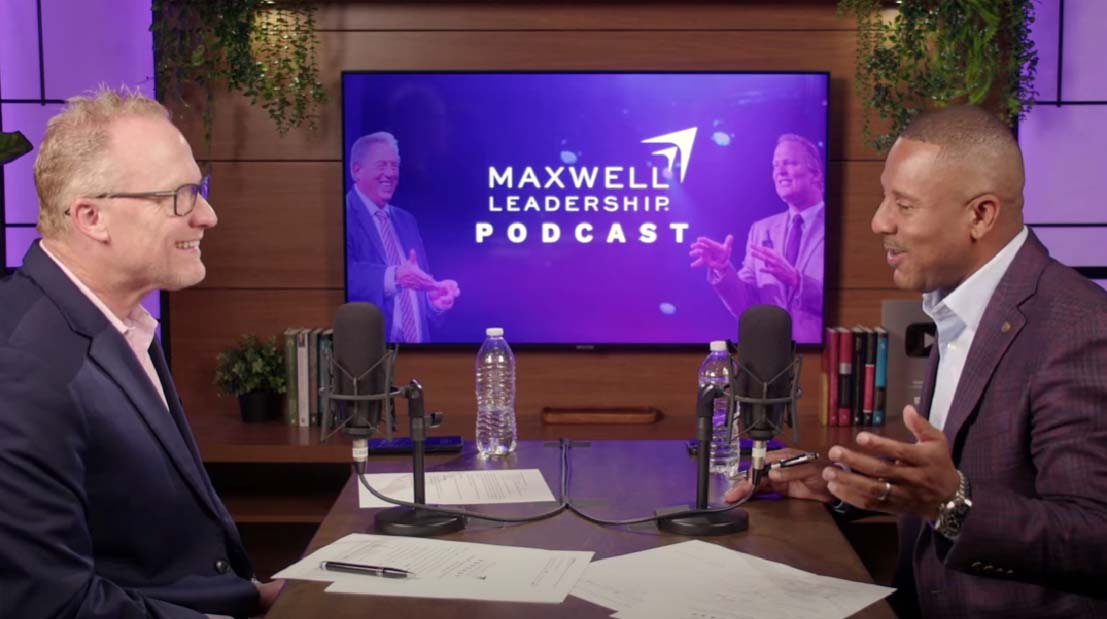
In the podcast episode 10 Traits Successful Leaders Possess, John Maxwell, Mark Cole, CEO of Maxwell Leadership, and Chris Goede, Executive Vice President of Maxwell Leadership, delve into the soft skills that distinguish exceptional leaders. Let’s explore these transformative traits:
1. Emotional Intelligence: Leading with Heart and Mind
Emotional intelligence (EI) encompasses self-awareness, self-regulation, motivation, empathy, and social skills. Leaders with high EI navigate interpersonal dynamics adeptly, fostering environments where team members feel understood and valued. As John Maxwell reminds us, “It’s not what happens to you; it’s what happens in you that counts.”
Leaders with high EI remain composed under pressure, respond thoughtfully to challenges, and foster emotionally healthy teams. To develop your emotional intelligence:
- Practice Self-Reflection: Regularly assess your emotional responses to situations to increase self-awareness.
- Gather Perspectives: Encourage honest input from colleagues to understand how your emotions affect others.
- Empathy Practice: Seek to understand situations from others’ viewpoints, fostering deeper connections and validating others’ perspectives without immediate judgment.
2. Effective Communication: Beyond Speaking, It’s About Connecting
Effective communication requires more than merely sharing information. The purpose of this skill is to ensure the message is received and understood. Maxwell differentiates, “Information is giving out; communication is getting through.”
Leaders must communicate with clarity, listen actively, and adapt their message to their audience so it resonates. This fosters trust and ensures alignment within the team.
To enhance your communication skills:
- Engage in Active Listening: Focus entirely on the speaker, acknowledging their message.
- Simplify Your Message: Use clear and concise language to avoid misunderstandings.
- Provide Constructive Feedback: Offer feedback that is specific, actionable, and empathetic.
- Non-Verbal Cues: Be mindful of body language and tone, ensuring they align with your words.
Read: 7 Ways to Improve Your Listening Skills
3. Adaptability: Navigating Change with Confidence
Adaptability is the capacity to adjust to new conditions and challenges. As companies adapt to continuous industry transformation, adaptable leaders guide their teams through transitions with resilience, flexibility, and foresight, guiding them through transitions with assurance.
As Cole notes, “The pace of the team is set by the leader and the mindset of the team is set by the leader.” Leaders who model adaptability encourage their teams to embrace change positively. To enhance your adaptability:
- Embrace Learning: View challenges as opportunities to grow and innovate.
- Stay Informed: Keep abreast of industry trends and shifts to anticipate changes.
- Encourage Flexibility and Innovation: Foster a culture where team members feel safe to propose and experiment with new approaches.
Learn more about the power of adaptability in the Maxwell Leadership Podcast episode Adjust Your Way to Victory.
4. Teamwork: The Power of Collaborative Work
Teamwork involves harmonizing diverse talents and perspectives to achieve common goals. Effective leaders cultivate trust and a sense of belonging, empowering team members to contribute meaningfully.
Leaders who cultivate an environment of open communication and mutual respect tap into their team’s collective strengths, leading to greater innovation and productivity.
To foster teamwork:
- Define Clear Roles: Ensure each team member understands their responsibilities.
- Promote Transparent Dialogue: Encourage sharing of ideas and constructive feedback.
- Celebrate Collective Success: Recognize team achievements to build morale and unity.
5. Empathy: Building Trust Through Understanding
Empathy is the ability to understand and share the feelings of others genuinely. In leadership, empathy fosters a supportive environment where team members feel seen, appreciated, and valued. Empathetic leaders build trust and loyalty within their teams.
Cultivate empathy by:
- Active Engagement: Show genuine interest in team members’ well-being and aspirations.
- Personalized Support: Recognize individual challenges and offer tailored assistance.
- Showing Genuine Interest: Engage with team members beyond work-related topics to build rapport.
6. Organization and Time Management: The Importance of Planning
Effective organization and time management enable leaders to prioritize tasks, set clear goals, and allocate resources efficiently. These skills ensure that teams operate smoothly and meet objectives.
Leaders who manage their time well model productivity and help their teams avoid burnout by setting realistic expectations and deadlines. To enhance your organization and time management:
- Prioritize Tasks: Identify urgent and important tasks to focus efforts appropriately.
- Use Planning Tools: Implement calendars and task management systems to track progress.
- Set Clear Deadlines: Establish timelines to maintain momentum and accountability.
- Delegate Wisely: Assign tasks based on team members’ strengths and capacities to optimize efficiency.
Read: 5 Ways to Lead Effectively on a Tight Schedule
7. Strategic Thinking: Seeing the Bigger Picture
Strategic thinking enables leaders to look beyond immediate tasks and align daily actions with long-term objectives. This skill involves anticipating future challenges, identifying opportunities, and making informed decisions that drive sustainable success. Leaders who think strategically can navigate complex situations, adapt to changing environments, and guide their teams with clarity and purpose.
To develop strategic thinking:
- Allocate Time for Reflection: Regularly assess organizational goals and strategies.
- Seek Diverse Perspectives: Engage with varied viewpoints to enrich decision-making.
- Make Scenario Planning: Prepare for multiple outcomes to navigate uncertainties effectively.
- Cross-Functional Collaboration: Engage with different departments to gain diverse insights.
- Environmental Scanning: Regularly assess external factors that could impact your organization.
8. Resilience: Bouncing Back Stronger
Resilience is the ability to recover from setbacks and adapt to challenges, enabling leaders to maintain focus and inspire their teams during difficult times. It involves viewing obstacles as opportunities for growth and fostering a culture where learning from failure is encouraged.
Resilient leaders demonstrate composure, adaptability, and a commitment to continuous improvement, motivating their teams to persevere and innovate.
Build resilience by:
- Maintaining Perspective: Focus on the bigger picture during tough times.
- Learning from Mistakes: Analyze failures to extract valuable lessons.
- Supporting Others: Foster a culture where team members uplift each other.
Read: The 5 Key Resilience Traits You Need Right Now
9. Coaching and Mentoring: Developing Others to Lead
Coaching and mentoring are powerful tools that enable leaders to cultivate talent, foster growth, and build a resilient organizational culture. Through personalized guidance, leaders help team members enhance their skills, boost confidence, and prepare for future challenges. This investment strengthens individual capabilities and promotes a collaborative environment where knowledge is shared and potential is realized.
Enhance your coaching skills by:
- Engage in Growth-Focused Dialogue: Offer insights that guide improvement.
- Encouraging Autonomy: Empower team members to make decisions and take ownership.
- Modeling Lifelong Learning: Demonstrate a commitment to personal and professional growth.
10. Humility: Leading Without the Need for Credit
Humility in leadership involves recognizing the contributions of others and prioritizing collective success over personal accolades. Humble leaders are confident enough to admit mistakes, seek input from others, and value diverse perspectives. This approach fosters trust, encourages collaboration, and creates an inclusive environment where team members feel valued and empowered.
To embody humility:
- Acknowledge Team Efforts: Regularly highlight and appreciate others’ contributions.
- Ask for Insights: Invite input on your leadership to identify areas for improvement.
- Admit Mistakes: Own up to errors and use them as learning opportunities.
Would you like to go deeper into these topics? Watch the podcast episode 10 Traits Successful Leaders Possess on YouTube.
Transform Your Soft Skills into Leadership Excellence with Maxwell Leadership
Embracing and developing these soft skills can transform your leadership approach, fostering environments where teams feel valued, motivated, and aligned with a shared vision. Such growth enhances personal effectiveness and drives organizational success. At Maxwell Leadership, we are committed to guiding you through this evolution, helping you harness these skills to become the leader your team deserves.
To further enrich your leadership journey, explore our Leadership Executive Coaching. Our personalized approach enhances your leadership effectiveness and self-awareness, addressing your unique challenges with tailored strategies.
Ready to Elevate Your Leadership? Contact us to start your coaching today — and subscribe to the Maxwell Leadership Podcast for ongoing insights you can apply right away.