
Plenty of managers run tight operations and still watch their best people leave. The work gets done, the deadlines hold, and the team quietly stops following. Being a good manager means running the work well; avoiding the bad-leader trap means earning the people too, through help, genuine care, and trust a title cannot demand. When both halves are in place, the team you manage becomes a team that wants to follow you.
What you’ll find
- What makes a good manager
- How to be a better manager this week
- Where good managers turn into bad leaders
- Three questions your team is asking about you
- Frequently asked questions
What makes a good manager
The management half of the job is about running the work well: translating goals into clear assignments, keeping priorities steady when everything claims to be urgent, and giving people the feedback and authority they need to deliver. Most good managers share a core set of leadership skills that set the best managers apart:
- Clear expectations and honest feedback
- Priorities protected from daily noise
- Delegation with the authority to act
- Consistency people can plan around
- Reasons shared along with decisions
Teams feel it immediately when the fundamentals slip, because unclear goals and shifting priorities cost more energy than the work itself. Mastering them is what makes a manager good at the job, and it is where the job of leading begins.
How to be a better manager this week
Good management improves through small, repeatable habits, and each of the five below can start in the next five working days.
Make one-on-ones about the person, work second. A standing conversation where someone talks about their goals, their frustrations, and their family tells you how they need to be led, and it signals care no team lunch can match.
Ask “what can I take off your plate?” and follow through. Helping becomes believable the first time you act on the answer, because people measure a manager’s support in actions rather than offers.
Keep a running list of your commitments. Most trust breaks by accident, so write down what you promise in meetings and close the loop every week. A manager who visibly tracks their word rarely has to defend it.
Share the reason along with the decision. People can commit to a call they disagree with when they understand it, and explaining your thinking treats the team as partners in the work.
Correct in private, credit in public. Where feedback and recognition land shapes how safe people feel taking risks for you, and safety is what turns compliance into commitment.
None of the habits require budget or permission. They require consistency, which is exactly what makes them convincing.
Where good managers turn into bad leaders
A title determines what you can assign; whether people want to follow you is earned separately. Managers who lean on authority alone get compliance, which holds only until a better offer arrives.
Google reached the same conclusion when it studied its own managers, expecting technical expertise to define the best ones. It ranked last. What set great managers apart was coaching, listening, showing genuine concern for people’s well-being, and supporting their growth. The work of managing earns you the job. The work of leading earns you the people, and John C. Maxwell defines leadership in exactly those terms: influence, nothing more, nothing less.
In Maxwell’s teaching, people buy into the leader before they buy into the vision. A manager who asks for commitment before earning it is working the sequence backward, and the three questions below are how to run it forward.
Three questions your team is asking about you
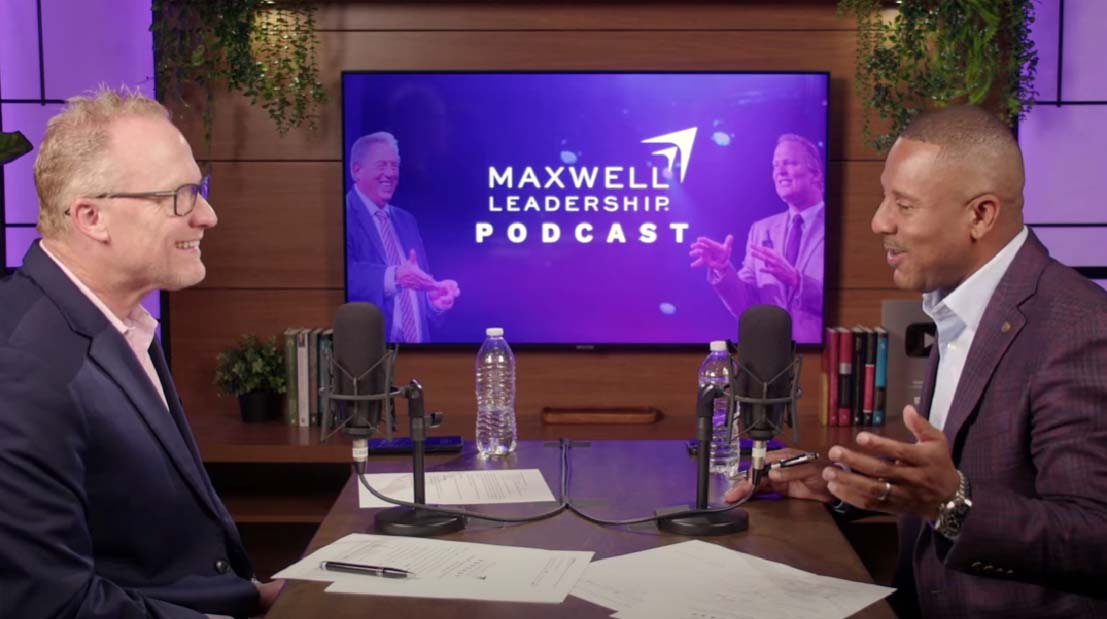
In 3 Questions Every Follower is Asking About their Leader, an early episode of the Maxwell Leadership Executive Podcast, Chris Goede and Perry Holley put language to what earning followership takes: every person on your team is quietly asking three questions about you, and the answers decide whether they follow willingly.
Can you help me?
Whether the change is a new project, a new opportunity, or a new boss, the first thing people want to know is how it affects them. Your team wants a manager whose experience, access, and advocacy move their work and careers forward. A manager who visibly invests in someone’s growth gives them a reason to invest back.
Do you care about me?
Nobody gives their best to a manager who treats them as a production unit, and care lands differently for every person. The golden rule says treat others the way you want to be treated; the platinum rule of leadership says lead people the way they need to be led, because leading everyone your own way only reaches the people wired like you, and most of your team is not. Watch how someone talks about their family, interacts with coworkers, and responds to recognition, and they will show you how they need to be led.
Can I trust you?
Trust is the foundation leadership stands on, and it grows the same way every time: you make a commitment and you follow through. Most broken trust is accidental. A manager forgets a commitment, half-listens in a meeting, or lets a promised follow-up slide, and each small miss costs more than it seems. Guard those moments, because a team that trusts you gives you the one thing a title never can: their full commitment.
Grow from good manager to trusted leader
Managers who earn a yes to all three questions lead teams that work with greater ownership, communicate more openly, and stay longer. Over time, that kind of influence strengthens trust across a team and gives the organization a bench of people who follow their leaders by choice.
Maxwell Leadership helps managers turn that shift into daily practice. Leadership Training for Managers equips managers to clarify direction, communicate in ways that build trust, and lead through influence instead of position. The broader Leadership Training programs develop leaders at every level around aligned vision and values, from emerging managers to executive teams.
Subscribe to the Maxwell Leadership Podcast for free leadership insight, and connect with our team to explore where your managers could start.
Frequently asked questions
What are 5 qualities of a good manager?
Clear communication, consistency, strong delegation, genuine care for people, and trustworthiness come up in nearly every study and survey. The first three keep the work on track, and the last two determine whether people stay. A manager strong in all five is usually described by the team as a leader rather than a boss.
What are the top 3 weaknesses of a manager?
Micromanaging, avoiding difficult conversations, and leading everyone the same way appear most often. Each one erodes something different: micromanaging erodes ownership, avoidance erodes standards, and one-size-fits-all leadership erodes connection with most of the team.
What are the 5 C’s of management?
Definitions vary depending on who you ask. Common versions include clarity, communication, consistency, coaching, and care. Whichever list you use, the pattern is the same: the early items cover the work, and the later ones cover the people.
What is the 30-60-90 rule for managers?
A 30-60-90 day plan structures a manager’s first three months: learn the team, the work, and the culture in the first 30 days, begin contributing and building relationships in the next 30, and take full ownership of goals in the final 30. New managers use it to earn trust before making changes.